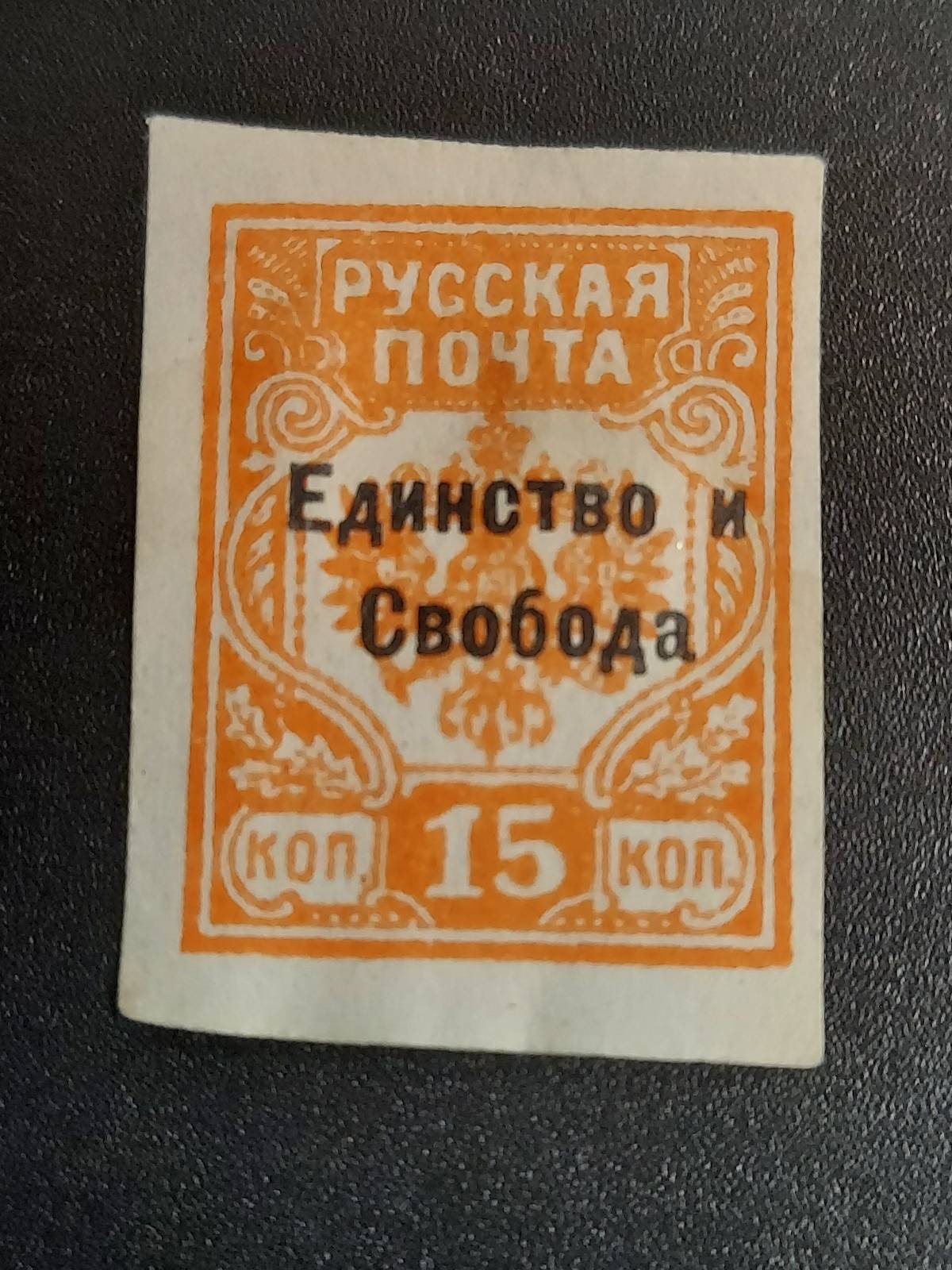
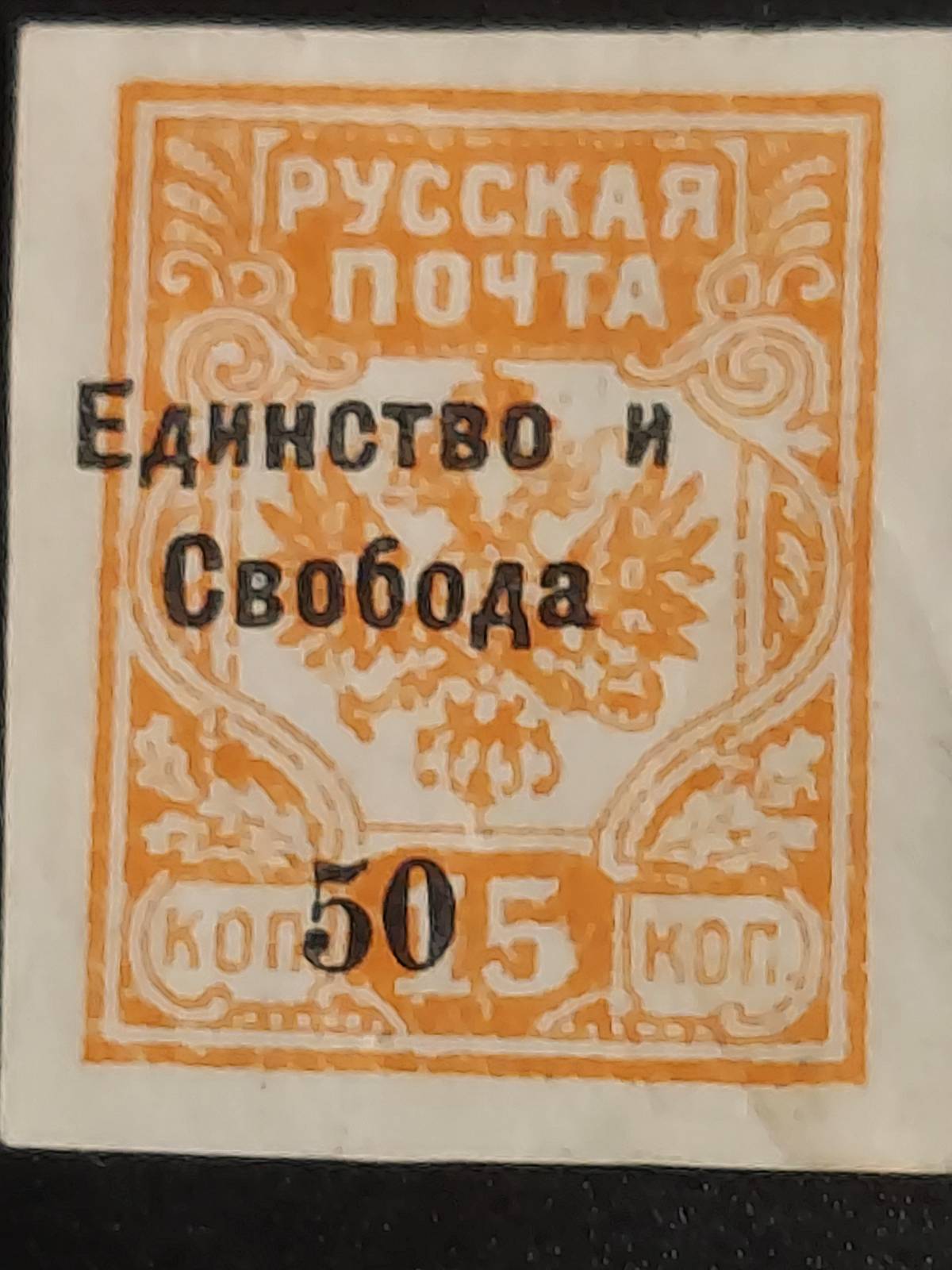
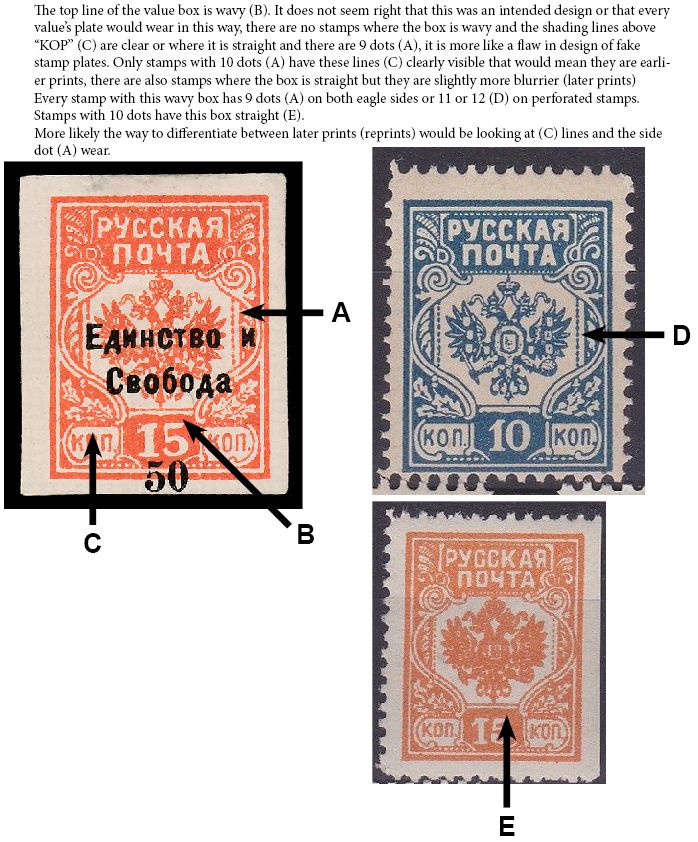
This info is from the SCF link I posted above that I am not sure everyone bothered to read. Members "NigelC" and "Edgarsrasa" contributed the information.
Quote:
the following extract from Dr Ceresa's 1990 book may be of interest on the question of assigning orginal/reprint and first forgery stamps:
This issue has been more thoroughly covered than any other attributed to the Western Army and has been the most abused, see Bibliography. The most recent publications know to me are those of V. E. Tyler in the American Philatelist under the "APS Project Fakes". He referred extensively to the article published in the BSRP Journal, based upon a BSRP Research Group's findings which we had initiated but unfortunately he at first drew a wrong conclusion in identifying the "genuine issue", identifing my F1 Type as the genuine and the genuine as his F1. Later in correspondence with me he came round to my way of thinking , expressing my views in a follow-up article in the same Journal.
He then discussed the different paper types, shades, reprints, varieties, postmarks, forgeries etc.
He refers to the "BSRP" which is the British Society for Russian Philately.
Its journal is The British Journal of Russian Philately.
Dr Ceresa describes three main forgery types which he calls F1 to F3 and further separates F1 into various sub-types.
He characterises his F1 forgery as following:
(a) The flag-like ornament near the "R" is rounded instead of pointed.
(b) The last letter of "Russkaya" has a rounded top instead of a flat top (most marked).
(c) There are small individual dots for the side chains.
(d) The value tablet has a straight top instead of a dimpled curve.
(e) The 2nd and 3rd leaves at the top are almost without shading.
(f) Unlike the genuine 5 kop. value, there are no white lines on either side of of the "5".
Dr Ceresa describes his F2 forgery as follows:
(a) An extra line around the inner shield on the eagle's chest.
(b) Sceptre is more prominent with more white and even outline.
(c) The bar to the right-hand acorn is smaller than on genuine.
(d) There is no horizontal bar to the cross of the crown.
(e) The ribbon from the crown is not shaded.
and he describes his F3 forgery:
(a) The wreath around the central arms gives the impression that it is mounted on an inverted hot-water bottle.
(b) The right hand acorn does not have a horizontal bar as per the genuine stamps.
(c) The clean white sceptre, unbroken by shading but [not] so distinctive as Type F2.
(d) Leaf at top right joins the reversed "D" on that side.
John Barefoot's booklet, Forgery & Reprint Guide 16 Western Army Eagles describes the same three forgeries in less detail but calls Ceresa's F2 the "third forgery" and Ceresa's F3 the "second forgery".





 Posted 03/08/2023 3:45 pm