| Author |
 Replies: 32 / Views: 3,517 Replies: 32 / Views: 3,517 |
|
Valued Member
United Kingdom
13 Posts |
|
|
|
|
Pillar Of The Community
Netherlands
6639 Posts |
|
|
To start with, the SG colour key is for use with a SG catalogue. Even between Concise and Commonwealth, colours sometimes have different names.
The colour key should be used on the basis of 'closest' match. You should use it on solid printed colours.
Colours (can) change over time for different reasons. The colours of soaked stamps may not be the original colour.
Also, the colour people see from your scan will not be the same for everyone. Add to that the scanned colour may already not be the same as the true colour. |
Send note to Staff 
|
|
|
Bedrock Of The Community
12705 Posts |
|
|
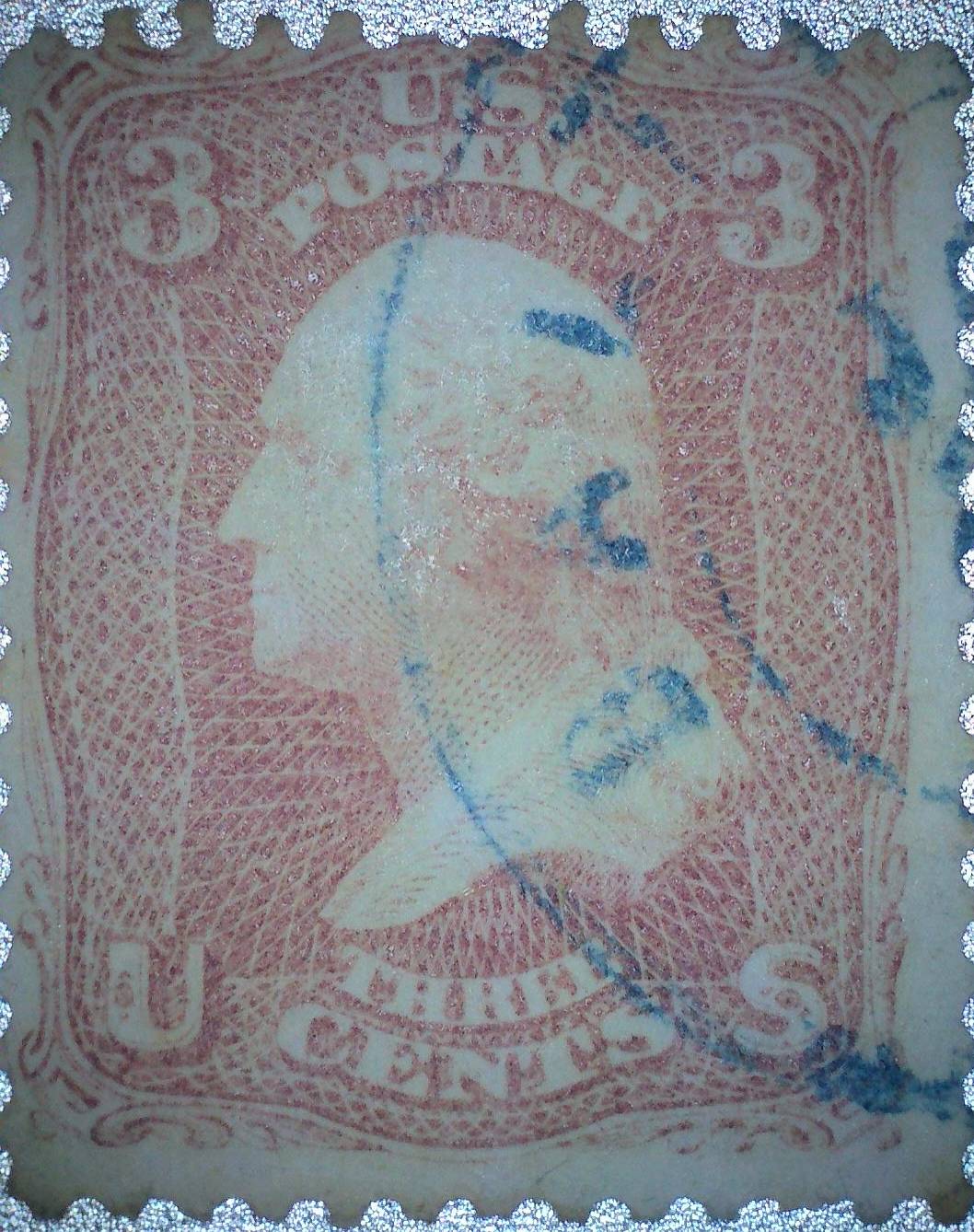
Looks like a 65 to me. IMO the color charts are utterly useless because they rarely match well and actual color perception and variation is endless. |
|
Send note to Staff
|
|
|
Pillar Of The Community
United States
8956 Posts |
|
|
The first thought I had is why use this lousy background? The shiny paper gives a wrong impression - please use black as a background.
Peter |
|
Send note to Staff
|
|
|
Valued Member
United Kingdom
13 Posts |
|
|
Rest in Peace
United States
652 Posts |
|
|
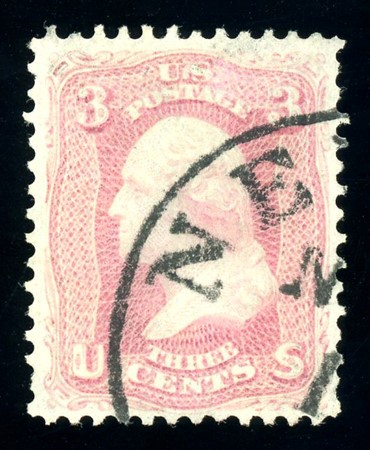
High probability that this is not a pink or rose pink. Period of usage of the Baltimore double circle town marking is late 1861 and beyond. Pink shade is typically found in August, September and sometimes October of 1861. Additionally this does not look like a pink. |
|
Send note to Staff
|
|
|
Pillar Of The Community
United States
1162 Posts |
|
|
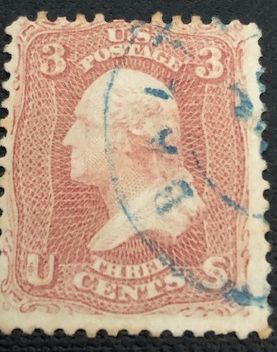
I applied as a stamp auction describer many years ago and was asked how I would tell a pink (64) from a rose (65). The question threw me because I never thought of verbalizing such a thing. I had to admit that I couldn't explain in words. If you put a pink, a rose, a rose-pink, etc in front of me, I can tell you what it is - given proper lighting. It didn't come to that, but the interviewer told me afterwards that he wanted me to say that the pink tends to have a bluish cast to it. After that, I have to admit, that is exactly what I see when looking at a pink. It is also quite distinctive. Anyway, I don't see that with your stamp. Your's definitely looks rose. I would expect Bill Crowe would know, too, (the previous poster) but it is hard to make ANY hard and fast statements about color when looking at stamps online. Do you see how different your stamp's color is in the two scans you have provided?? THAT'S why it is hard to say with any absolute certainty what you have without seeing it in person, and in good light.
FWIW, I started out collecting thinking that color gauges were the answer to all these questions. They really are not. The best 'color gauge' is an example of the stamp that you are testing for - looking at other stamps to help answer questions about your stamps. I still have my color gauges, but they are collecting dust. Sorry. |
|
Send note to Staff
|
|
|
Pillar Of The Community
6358 Posts |
|
|
Bedrock Of The Community
12705 Posts |
|
|
Valued Member
United Kingdom
13 Posts |
|
|
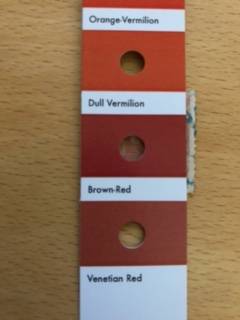
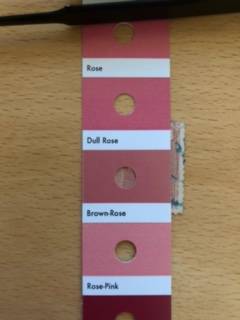
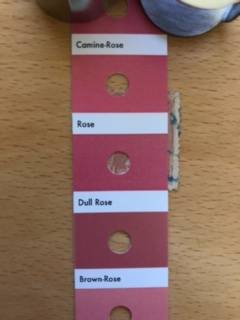
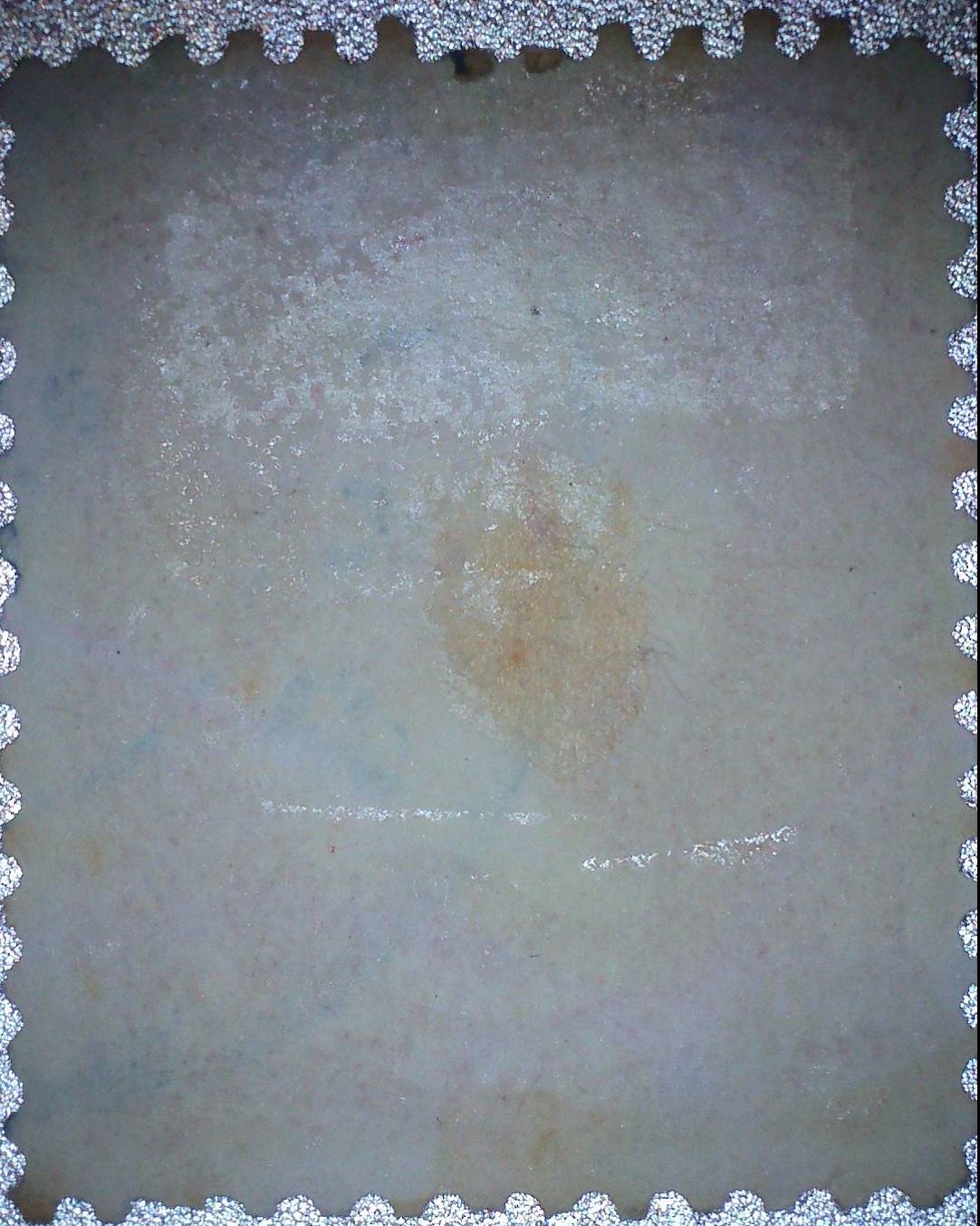
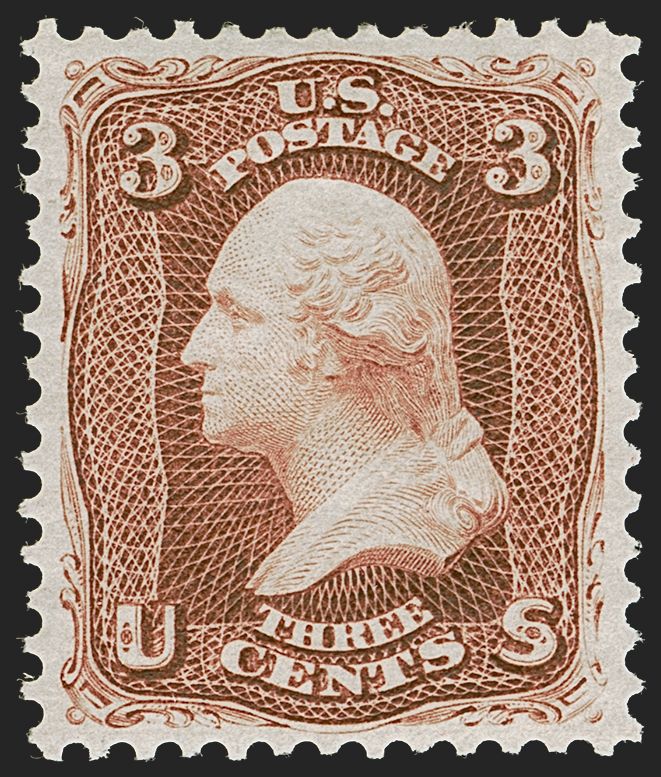
Well I did not realise how complicated this was going to be, but thank you all for your comments. That Stanley Gibbons Colour Key cost me £25, and have to say it was not worth it. I have attached various photos for comparison namely a Scott 94 which has an F Grill and therefore must be 1861-66 yet it does not look like a Red or a Rose. I have shown the pair from under the microscope and an iPhone photo of them, and the colour difference is so marked that they look like different stamps. Just for reference and I know it wont be accurate but the stamp that I think/hope is a Scott 104 1875 looks more like a Brown Red than a Pink or Rose. The Scott catalogue says that the Scott 104 can be distinguished from the 1861-66 issue by brighter colours, the sharper proof like impressions and the paper which is very White instead of Yellowish and has White crackly gum. I like WT Crowe's remarks regarding why the stamp could not be Pink or Rose. Anyway Gentlemen as always I very much appreciate the time that you are giving me to help in the mysteries of colour identification. Many thanks Bernard 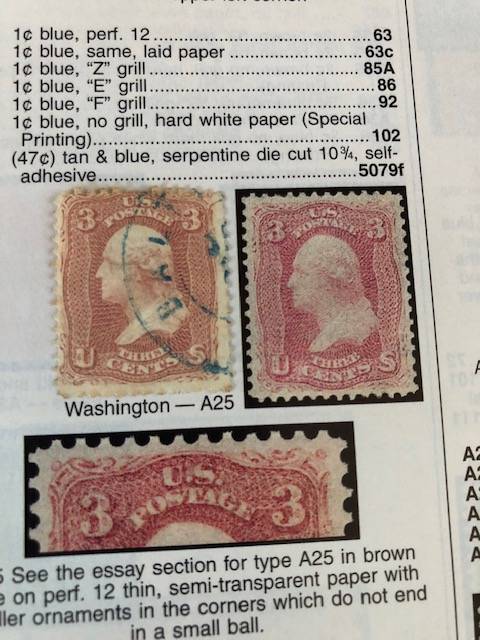 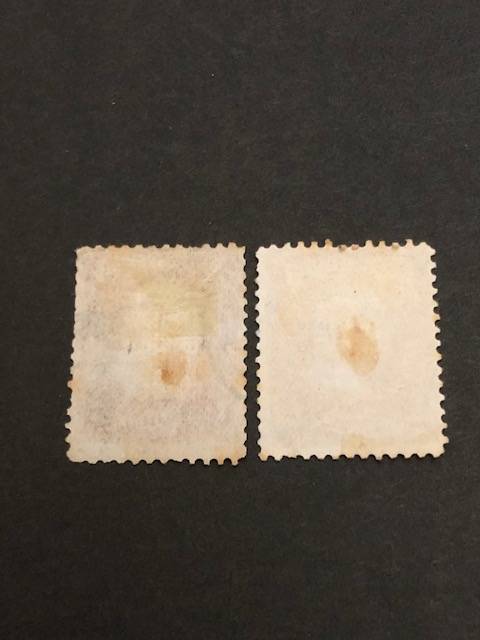 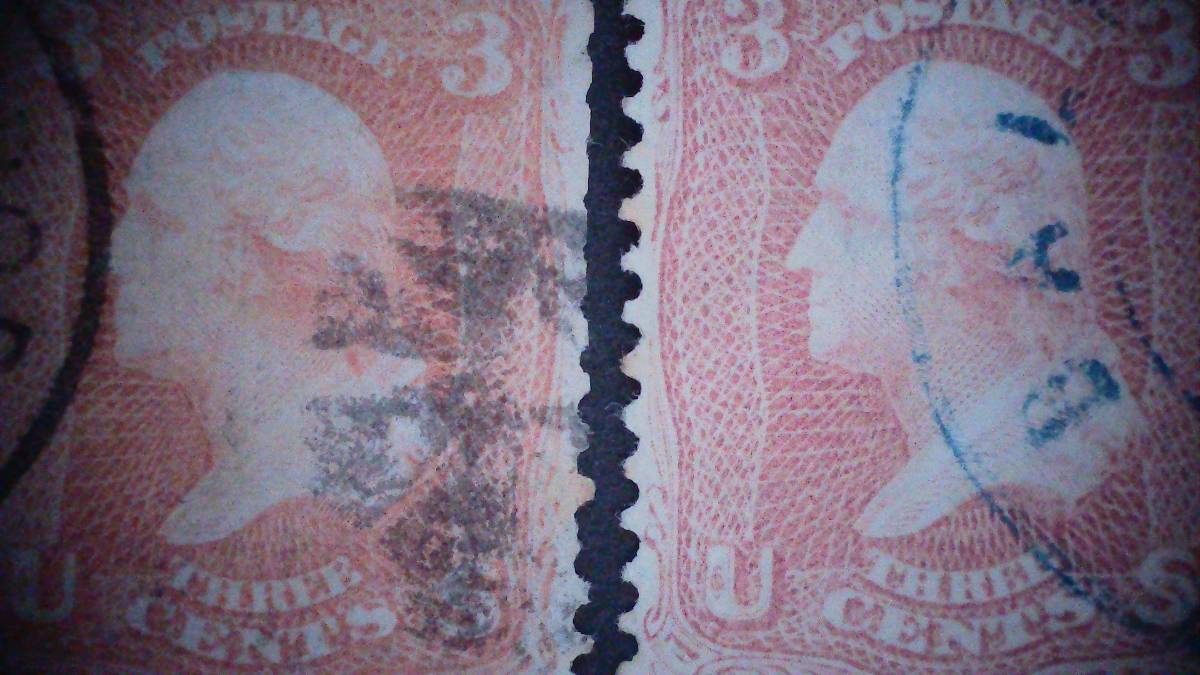   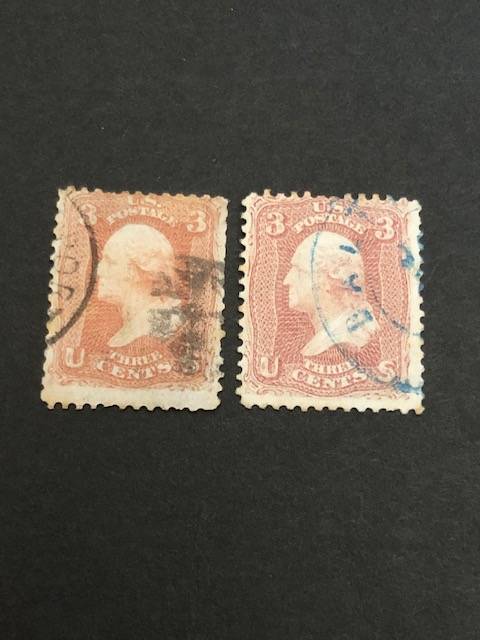 |
|
Send note to Staff
|
|
|
Pillar Of The Community
United Kingdom
8625 Posts |
|
|
The Gibbons key can be useful, but, as NSK pointed out, it's designed for use with Gibbons catalogues, not Scott. And catalogue colours/shades are usually designed to distinguish between stamps within an issue, rather than being applicable across the board. By the way, £25 isn't the normal retail price - I presume you paid this because it's out of print. |
|
Send note to Staff
|
|
|
Pillar Of The Community
Netherlands
6639 Posts |
|
|
Pillar Of The Community
United Kingdom
8625 Posts |
|
|
Eek! I remember this costing a few shillngs. Even a few years ago, it was low pounds. |
|
Send note to Staff
|
|
|
Bedrock Of The Community
12705 Posts |
|
|
Pillar Of The Community
United States
1358 Posts |
|
|
Pillar Of The Community
United States
1125 Posts |
|
|
Anyone else remember this? (There's also one for 10/11). Mine is in like-new condition, as I never use it. Chip 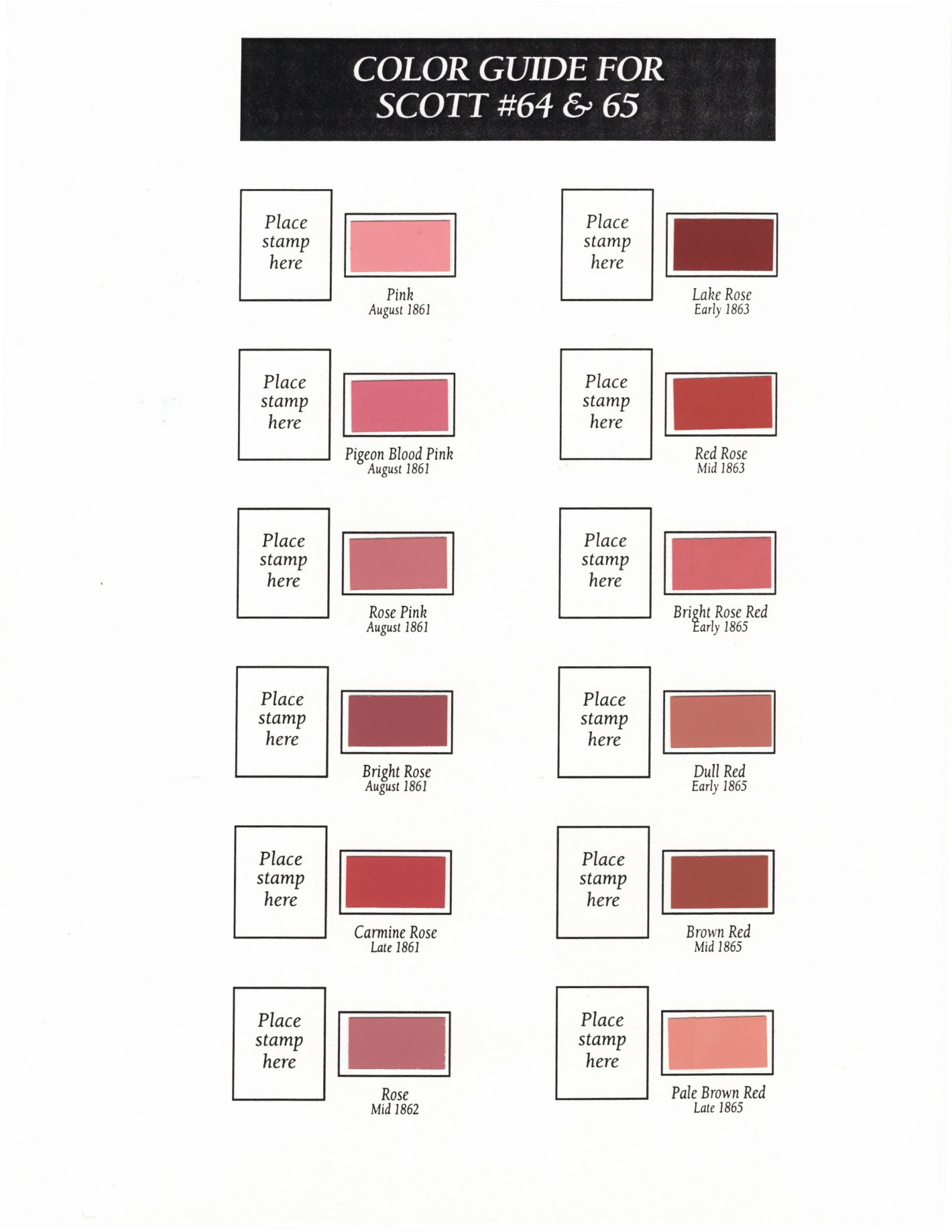 |
|
Send note to Staff
|
|
|
Replies: 32 / Views: 3,517 |
|




 Posted 04/19/2023 07:58 am