Quote:
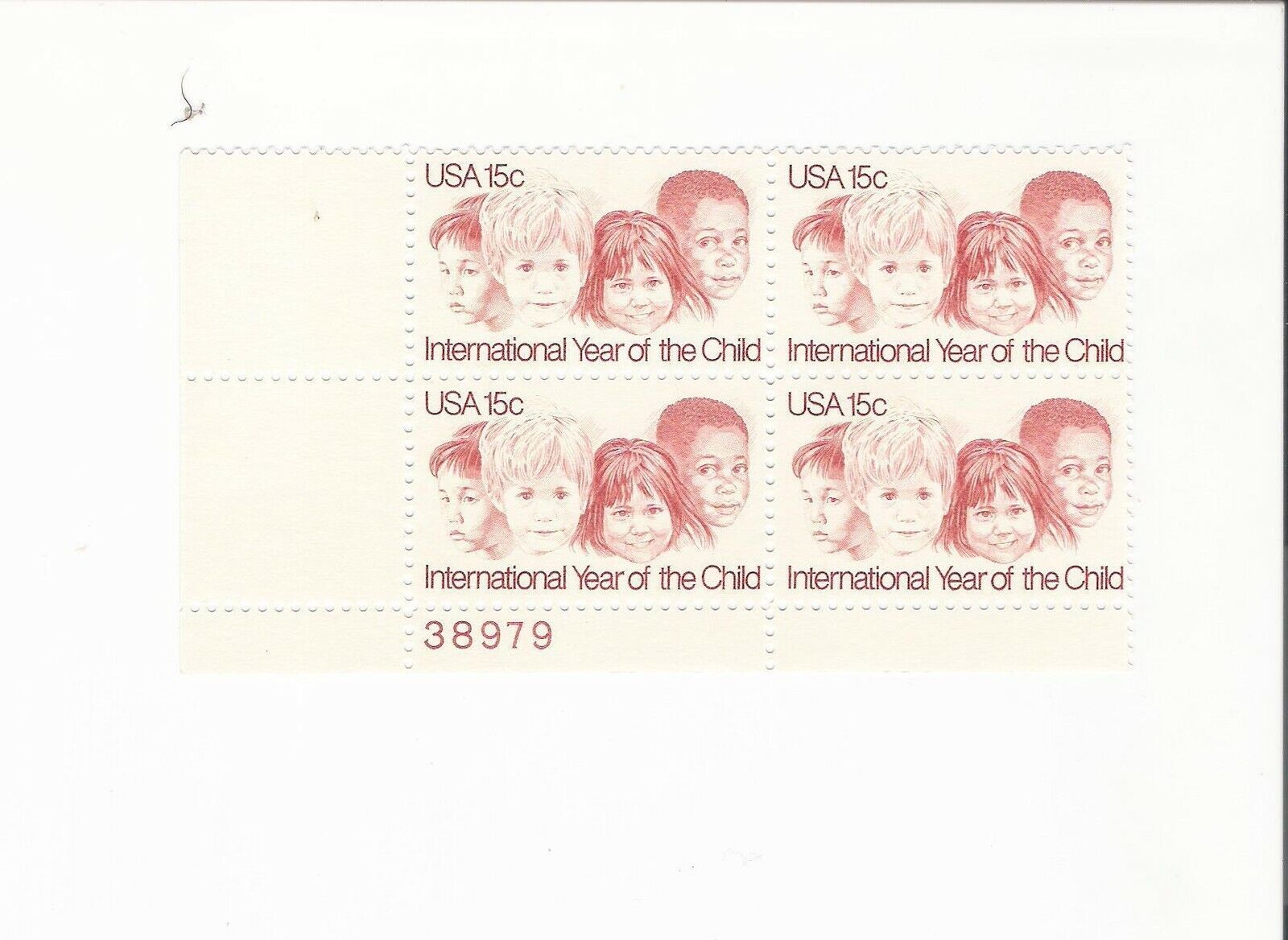
Brown is not a primary color.
It is a mixture of 2 or 3 colors. For example Red and Yellow.
If a "brown" stamp is made of red and yellow, and red is missing, then the stamp is yellow.
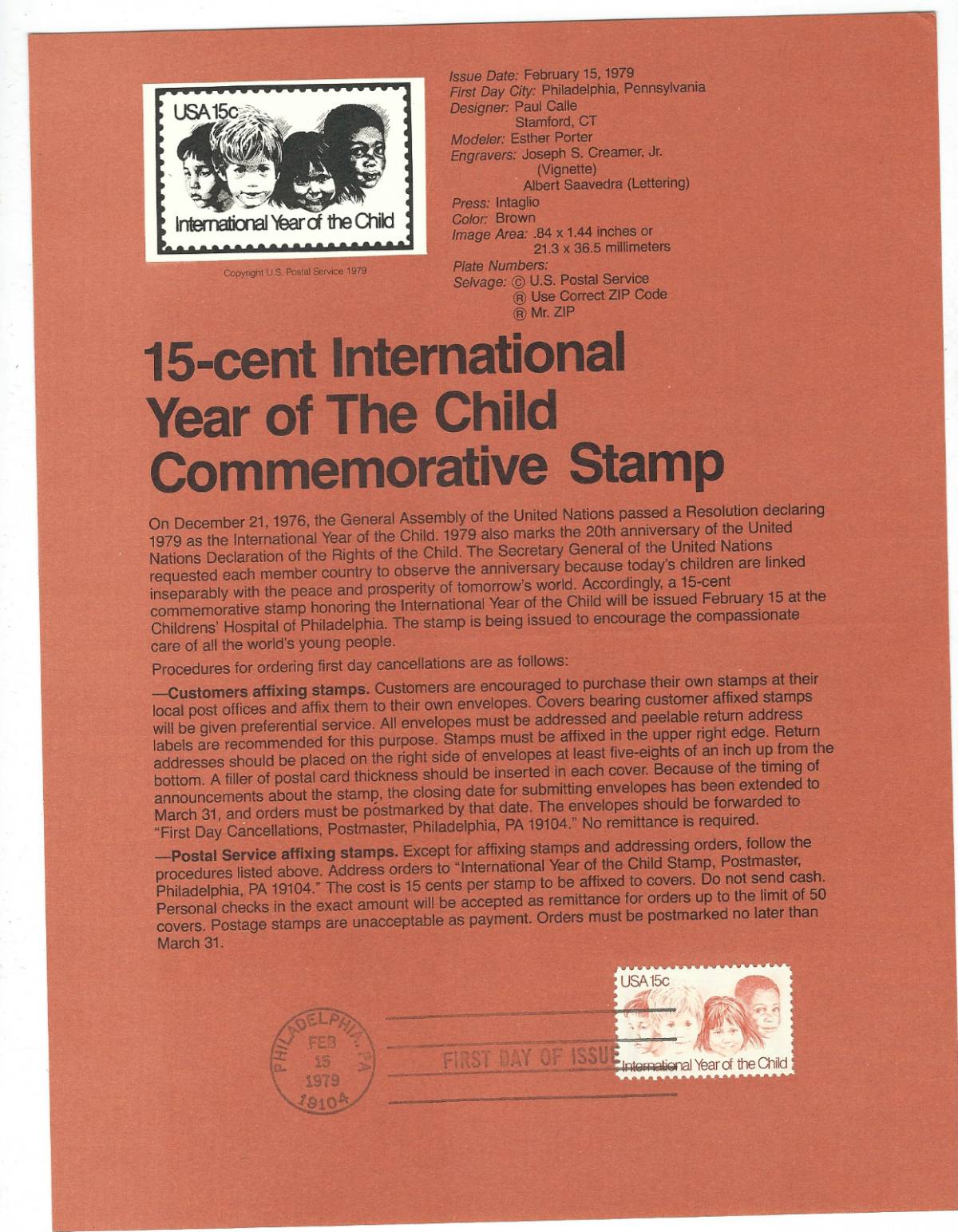
Do not confuse the four or six cartridge computer printer inks mixed to make a color with the pigmented inks used in intaglio printing. The stamp in question is "brown" which can be made from several individual pigments, often two types or red and one blue, but "brown" is also a single pigment color as well. Pigments behave much differently than dyes from a chemical standpoint.
The main point is that the OP posited that perhaps the printer mixed the ink incorrectly. The printers don't mix the ink they purchase the intaglio in the color need for this single color stamp. Since brown can be a single pigment color, there is only one pigment color being mixed.
Quote:
Looks like the red color may have not been mixed in the ink. My question is, have there been any verified color missing examples reported for this issue?
He also asked about "color missing examples" which when dealing with a single color stamp means no ink and thus an albino print (often seen on postal stationery). With or without a photo the answer can only be, it is not a color missing if you see color in the design. None of this has anything to do with what may happen after the stamp is printed, issued, used, stored and accidentally or purposely manipulated later.
Now in one way I agree with you,drkohler, in your discussion of color make up. As the environmental as well as health and safety laws arose in the years on and after 1979 (the year the stamp in question was produced) pigments have been eliminated, especially the stable and long-lasting heavy metal pigments. The modern and "more environmentally friendly" dyes and pigments as well as the carrier-bases for same are far less stable than prior iterations be it for printing presses of any ink transfer variety, computer printers, paints (especially metal paint) and foods.





 Posted 04/28/2023 09:30 am