| Author |
 Replies: 17 / Views: 1,877 Replies: 17 / Views: 1,877 |
|
Pillar Of The Community
Australia
915 Posts |
|
|
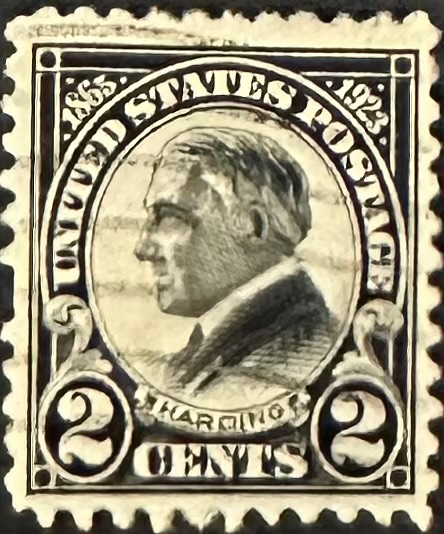
Hi all Am I doing this right? I'm really unsure whether I understand the difference but following a process outlined on a website. Help would be appreciated Thx  |
|
Send note to Staff
|
|
|
|
|
Bedrock Of The Community
12777 Posts |
|
|
It appears that you are trying to align the perforated edges of the stamps? That is wrong. The edges of the stamp itself are not constants. What matters is the design. Is that a 613 underneath?  |
Send note to Staff 
|
|
|
Pillar Of The Community
United States
8956 Posts |
|
|
Pillar Of The Community
6365 Posts |
|
|
Several things will help *us* help *you* better:
1. Show a good scan of the front, unobscured by anything.
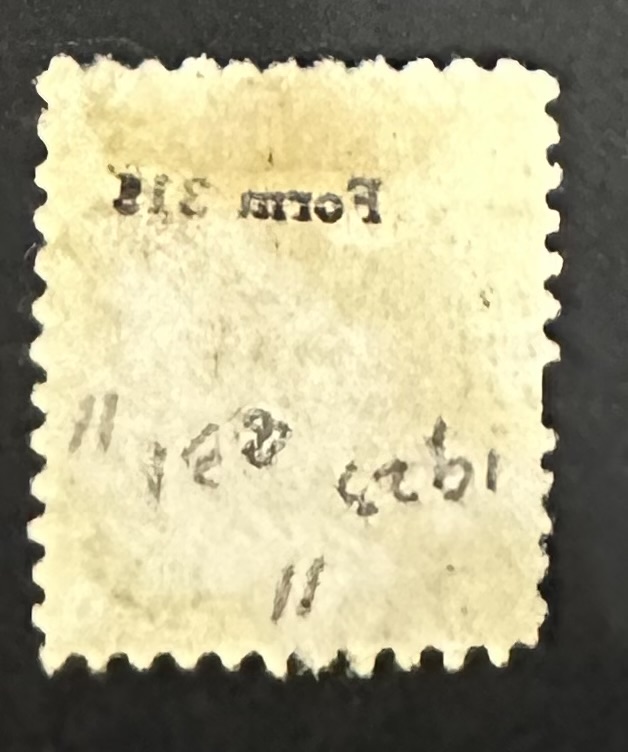
2. Show a good scan of the back, unobscured by anything.
3. Then go on to any specialty scans to point out features of interest, overlays, etc.
4. Your overlay is a Washington/Franklin series stamp. I would recommend using an overlay from the same series to eliminate as many variables as possible. Also, as rogdcam noted, the purpose of these templates it to compare the size of the *image*, thus careful alignment with a properly ID'd template is critical. |
|
Send note to Staff
|
|
|
Pillar Of The Community
United States
3224 Posts |
|
|
All rotary designs are not alike, nor are all flat plate designs alike. Per John Becker's note 4 above, this is not the method to use to determine printing type of 2c black Hardings unless you have known 2c black Hardings with which to compare. I would say to measure, but people don't seem to measure properly these days.
You 99% have a flat plate stamp, even though I can't see the whole. The 2c black Harding rotaries including the rare one have a grayish cast on the front of the paper due to incomplete wiping of the plates (typical of rotary printings), and the design is typically printed in a somewhat grayish black. |
|
Send note to Staff
|
|
|
Pillar Of The Community
Australia
915 Posts |
|
|
Pillar Of The Community
Australia
915 Posts |
|
|
An explanation! I went to a website: the Swedish tiger Having found a Harding 11x 11 - I followed the advice 1) check the reverse - no markings 2) do this test as per the following photo But I could not get my head around the 2 photos. Having your advice now - do I conclude properly that I should take a 2 cent Harding 10 x 10 and overlay? Just checking and still learning Appreciate all your help 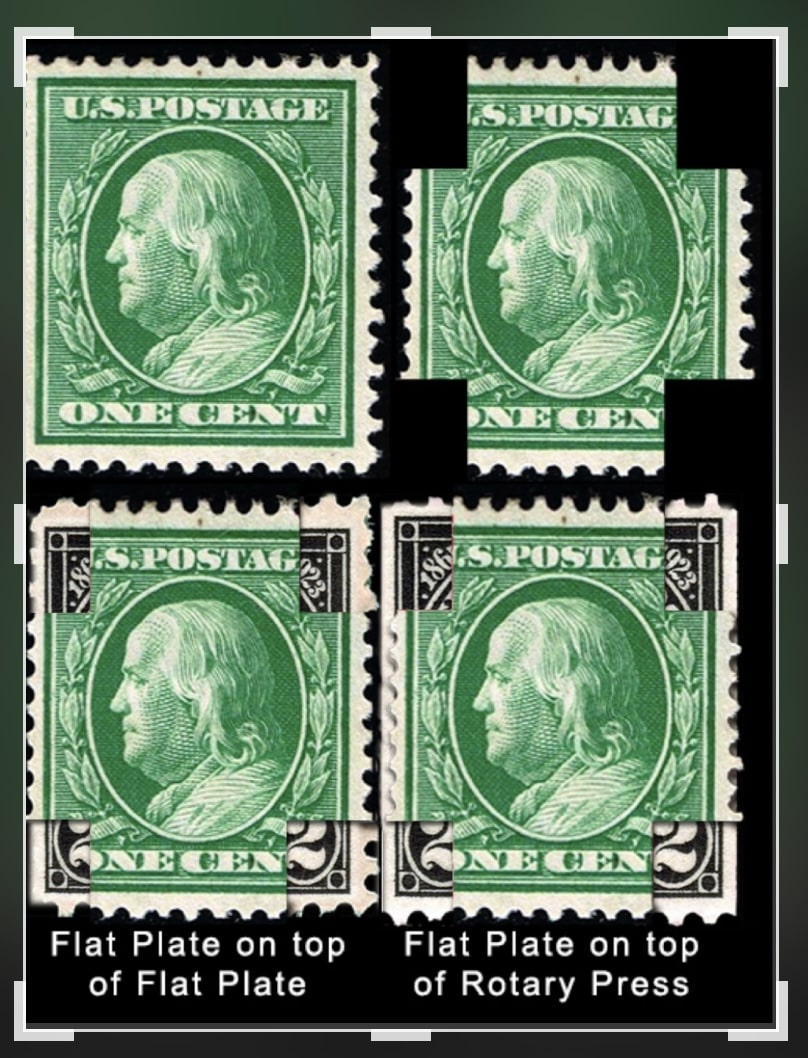 |
|
Send note to Staff
|
|
|
Pillar Of The Community
Netherlands
6647 Posts |
|
|
The picture you show gives an impression of how much a rotary printing stretches the design of the Harding stamp vertically by showing the flat-plate printing is approximately of the same height as a cheap stamp from a flat-plate printing from another issue. The rotary printing of the Harding stamp is nowhere near the height of the flat-plate printing from that other issue.
This site might as well have shown the two harding stamps next to a Penny Black. It gives an impression of the relative differences in height from two printing types. It may not be very advisable to go around actually identifying Harding stamps this way. |
|
Send note to Staff
|
|
|
Pillar Of The Community
Australia
915 Posts |
|
|
Nsk
Thankyou for your help
Maybe you can understand my confusion trying to understand!
I'll put it down to going down the wrong path!
Thanks |
|
Send note to Staff
|
|
|
Pillar Of The Community
Netherlands
6647 Posts |
|
|
I think we share a lack of familiarity with US stamps. It gets confusing when the general difference between printing techniques and identification of catalogued stamps is unclear.
The site gives some idea of the difference between a flat-plate and a rotary printing. This site has many very experienced collectors who may give you much better guidance on actually identifying a stamp rather than the technique. |
|
Send note to Staff
|
|
|
Pillar Of The Community
Australia
915 Posts |
|
|
Thanks but still confused!
Have no idea as to going forward.
Appreciate any help
|
|
Send note to Staff
|
|
|
Pillar Of The Community
Australia
915 Posts |
|
|
Pillar Of The Community
Netherlands
6647 Posts |
|
|
I wonder what the experienced USA collectors will say about that very crude inscription 'HARDING' below the medallion and the perforations. |
|
Send note to Staff
|
| Edited by NSK - 05/09/2023 06:21 am |
|
|
Pillar Of The Community
Australia
915 Posts |
|
|
Pillar Of The Community
Australia
915 Posts |
|
|
Pillar Of The Community
United States
1497 Posts |
|
|
Two "11"s for the perforations.
"1923"
A number - "831"?
"Form 315"? in reverse. Probably setoff from the form the stamp was adhered to.
Robert |
|
Send note to Staff
|
|
|
Replies: 17 / Views: 1,877 |
|



 Posted 05/07/2023 01:58 am