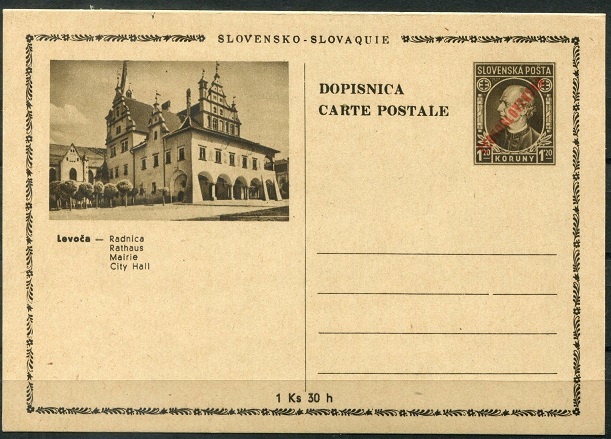
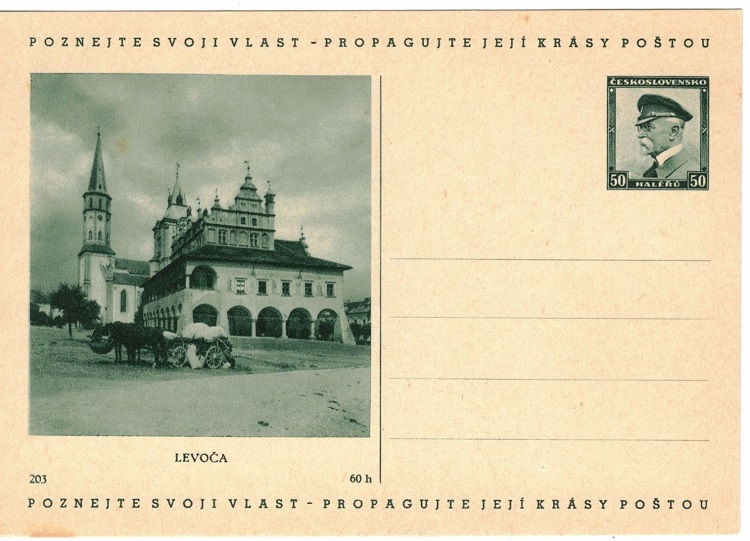
To participate in the forum you must log in or register.
| Author |
 Replies: 19 / Views: 2,083 Replies: 19 / Views: 2,083 |
|
Pillar Of The Community
Netherlands
6647 Posts |
|
|
|
Introduction
For some time, Spis Castle in Slovakia was on my list of places to visit. Dutch law has a legal amount of leave. These hours must be used by the end of June following the year for which they are granted. Having to take up some leave before the end of June (2023), I decided to spend two weeks in Slovakia. As usual, I took pictures of post offices in the towns I visited.
I visited many of the post offices to buy stamps for postcards. I send (up to thirteen) postcards to friends and family members. In total, I sent 79 postcards to Colombia, Netherlands, France, Germany, Hungary, Lithuania, Russia, and Singapore. On several occasions, a customer asking for a stamp in English caused the post-office clerk panic. On almost each occasion it required some inventiveness as either there was no stamp covering the 'Europe' rate, or the 'Rest of World' rate, or no stamp covering either rate. The solution was not always the same. On one occasion, the clerk could not be bothered and increased the rate on the spot. On one or two other occasions, I wanted to use a specific stamp and affixed stamps over the correct rate.
To top it all off, during a visit of a monastery, I came across philatelic items that were part of a display of papal gifts.
|
|
Send note to Staff
|
|
|
|
|
Pillar Of The Community
Netherlands
6647 Posts |
|
|
Stage 1: PopradMy journey started in Vienna where I arrived around midnight. The following morning, I bought a train ticket from Vienna's main station (Wien Hauptbahnhof) to Bratislava's main station (Bratislava Hlavna Stanica). I shall refrain from the accents, as this site does not support all. My first 'port of call' was the town of Poprad in the Spis Region. The 'Tatran Express' trains from Bratislava take almost 4:30 hours to arrive at Poprad-Tatry. As the name of Poprad's main station suggests, the town is the gateway to the High Tatras. This is a small mountain range on the border between Slovakia and Poland. They are part of the Carpathians. The three highest peaks that have an elevation between 2,633 and 2,655 metres are the highest in the Carpathians. Poprad's average elevation is 684 metres. 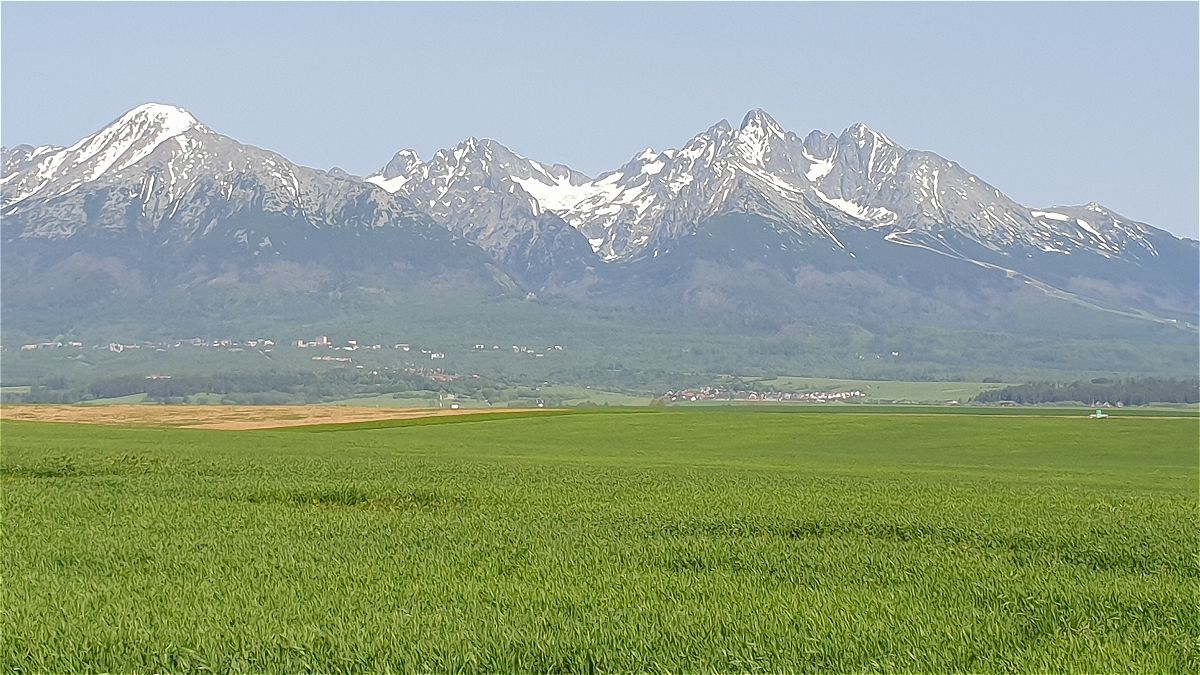 High Tatras as visible from just outside Spisska Sobota High Tatras as visible from just outside Spisska SobotaThe historic centre of Poprad is the main square. In the centre of the square stands a mediaeval Gothic church with a free-standing renaissance bell tower. Around the square stand historic merchant houses. Some show vestiges of their Gothic origin. Others have been reconstructed or remodelled and have late Baroque or neo-Classic façades. Within the town limits is the former mediaeval town of Spisska Sobota. Most mediaeval Slovak towns were not much larger than the central square with surrounding merchant houses. In the main square of Spisska Sobota stands a mediaeval Gothic church with a free-standing Renaissance bell tower like the one in Poprad's central square. The square in Spisska Sobota has better preserved its historic character. Several Gothic houses survive. Also, there are several town houses with timber roofs typical for the region. From just outside this former town of Spisska Sobota there is an excellent view of the High Tatras (see picture above). As I arrived late Saturday afternoon, the local post office had closed for the weekend. I did arrive before the tourist office closed. I asked for a town map and a brochure with information on the local sights. These, normally, are free. Once outside, I remembered I should buy some postcards. I returned to the tourist information office and bought thirteen postcards. I could write them during the weekend and pop into the post office on Monday morning, before catching a train to my next destination. The post office is just off the main square in Poprad on the route from the train station to the main square. Crossing the bridge over the Poprad River and the main road running along it, the post office stood on the corner of the main road and the road to the square. The yellow sign on the building read 'Posta 1.' It raised the question if this was a post office number. I, however, did not encounter a second post office either in Poprad's centre or the neighbourhood of Spisska Sobota. It turned out the question about the number would remain unanswered for another week. 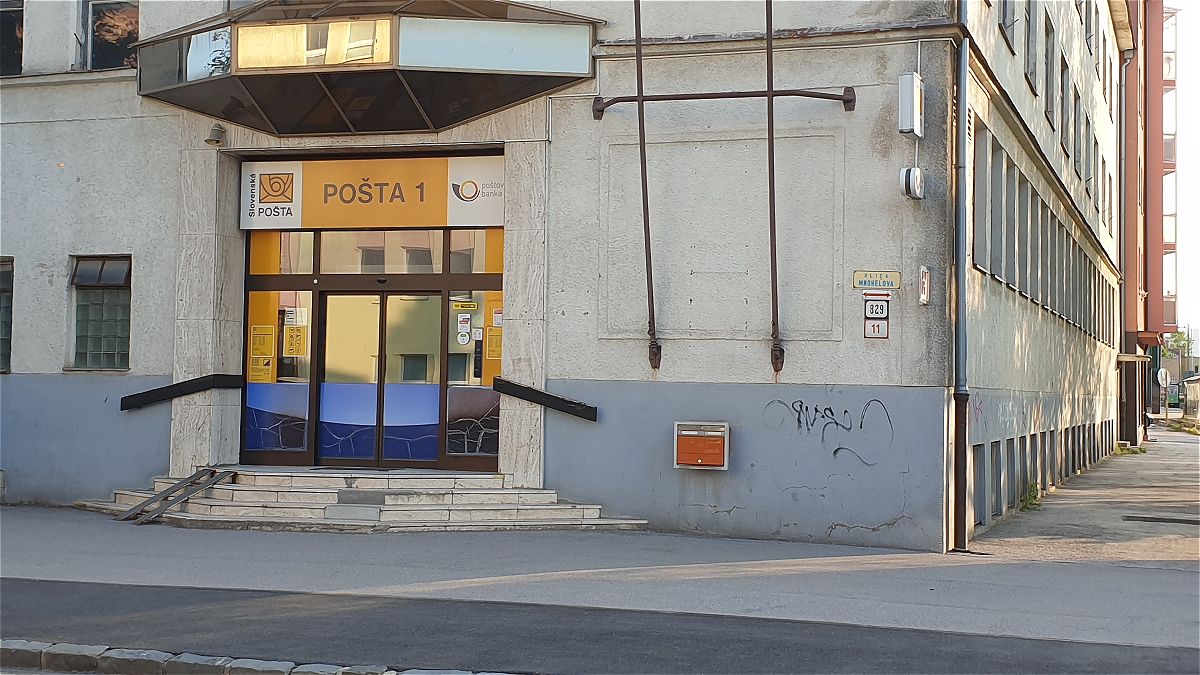 Poprad post office nr. 1 Poprad post office nr. 1On Monday, I walked to the post office to buy ten 'Europe' stamps and three 'Rest of World' stamps. At the time of my visit, the tariffs were € 1.50 and € 1.60, respectively. The clerk was friendly but was somewhat rattled by a customer addressing her in English. I did not get the impression addressing her in German would have made a difference. Once she understood what I needed, she checked the tariffs and looked for the appropriate stamps. The post office did stock € 1.50, but no € 1.60 stamps. The solution, therefore, was to use two € 0.80 stamps instead. I asked for one of each 'extra.' After counting out the number of each (eleven and eight, respectively), I paid for the stamps. The lady assured me she would affix the stamps to my postcards. So, I took the 'extra' stamps and left the postcards at the post office. 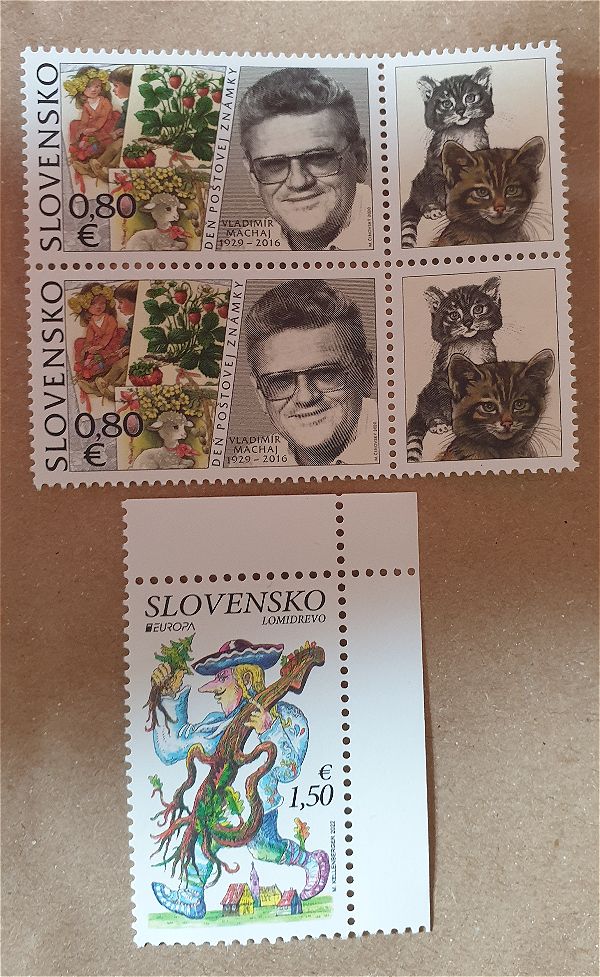 Poprad postage tariff solutions Poprad postage tariff solutionsThe extra stamps are a gift for the brother-in-law of a colleague who collects the stamps he can get. |
Send note to Staff 
|
|
|
Pillar Of The Community
United States
8956 Posts |
|
|
NSK, sometimes here in the States we have similar problems! Like the time someone tried to mail a card to New Mexico and the clerk charged the out of country rate!
And when I mail something to "the Netherlands" and the clerk looks under "Netherlands Antilles"!
Nothing new under the sun
Peter
|
|
Send note to Staff
|
|
|
Pillar Of The Community
Netherlands
6647 Posts |
|
|
The stamps in question are:
€ 0.80: 4 December 2020, Stamp Day 'Vladimir Machaj (1929 - 2016)', a Slovak painter, graphic artist, and illustrator, especially of children's books and fairy tales.
€ 1.50: 2 May 2022, EUROPA 'Stories and Myths' depicting the heroe 'Lomidrevo' from a Slovak folk Tale. |
|
Send note to Staff
|
|
|
Pillar Of The Community
Netherlands
6647 Posts |
|
|
Stage 2: KezmarokHaving bought the stamps and left the postcards in the hands of the post office clerk, it was time to catch a train to Kezmarok. Every two hours, a diesel train departs the Poprad-Tatry station and runs north along the Poprad River to Stara L'ubovna near the Polish border. About 25 kilometres downriver from Poprad is the town of Kezmarok. It takes the train half an hour to arrive at Kezmarok. The town was founded in the thirteenth century by Saxons who had settled in the Spis region by invitation of the Hungarian King. After the Mongol invasions, the Hungarian kings wanted to repopulate the border regions of their kingdom. The new settlers, often, were Germans, later called Saxons. The settlers gained special privileges. The town's name - Käsmark in German – may have derived from the privilege to hold a cheese market. Situated on an important trade route that connected the orient with Poland and Northern Europe, Kezmarok became a wealthy merchant town. It takes ten to fifteen minutes – a suitcase does slow one down – to get to the town's main square. In the square stands the Classicist town hall with clear vestiges of its mediaeval origin. The square is part of the main axis of the old town. Along this axis stand many, mainly Renaissance, merchant houses. Some of the houses show traces of their mediaeval origin. There are a few alleys with flying arches between the houses on either side. On the northern end of the main axis stands an urban castle commissioned by the Hungarian palatine Emeric Zapolya, who also held the title of Ban of Croatia, Dalmatia and Slavonia. At the end of the sixteenth century possession of the castle passed to the Thokoly Family. Stephan I Thokoly commissioned the remodelling of the castle giving it its present Renaissance appearance. 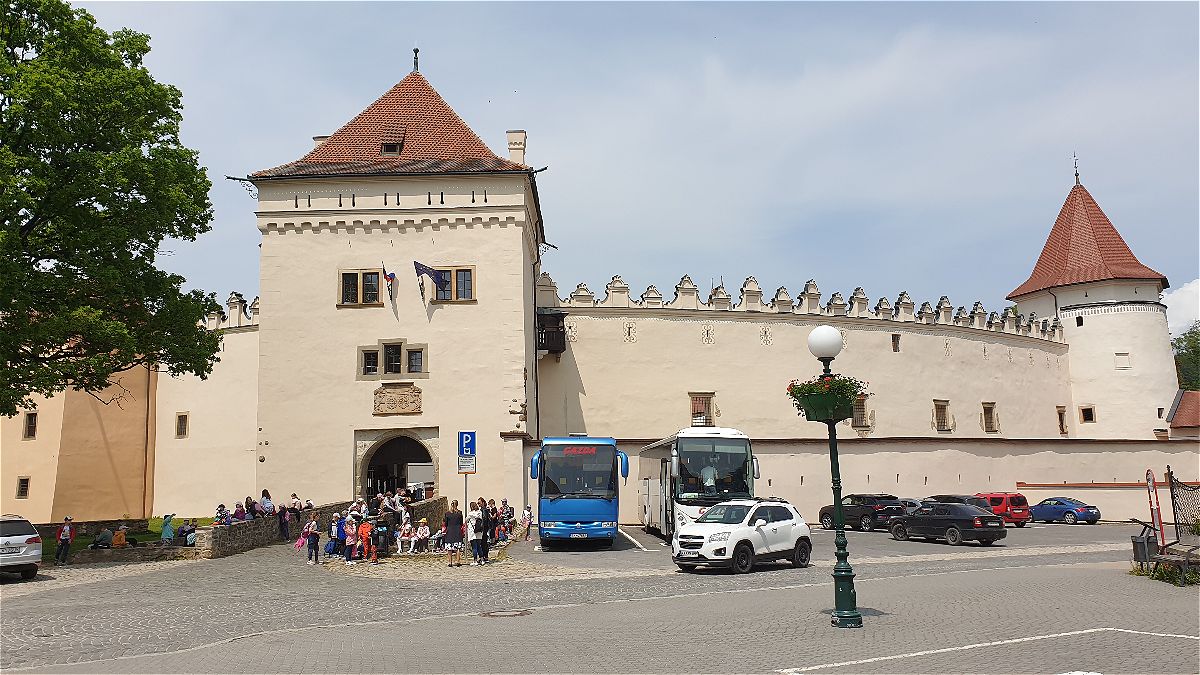 Kezmarok Castle Kezmarok CastleAt the southern end of the main axis remains a bastion of the town's mediaeval wall. A road running parallel to the main axis leads from the castle to the late-Gothic parish church from the fifteenth century. This too has a free-standing Renaissance bell tower. South of the mediaeval town stands a wooden evangelical church from 1717. No nails were used in the construction of the church. The church is included in the UNESCO World Heritage list together with other wooden churches in the Carpathians. Near the evangelical church is the town's main post office. Over the entrance appears a yellow "Posta 1" sign. As was the case in Poprad, this was the only post office I encountered. 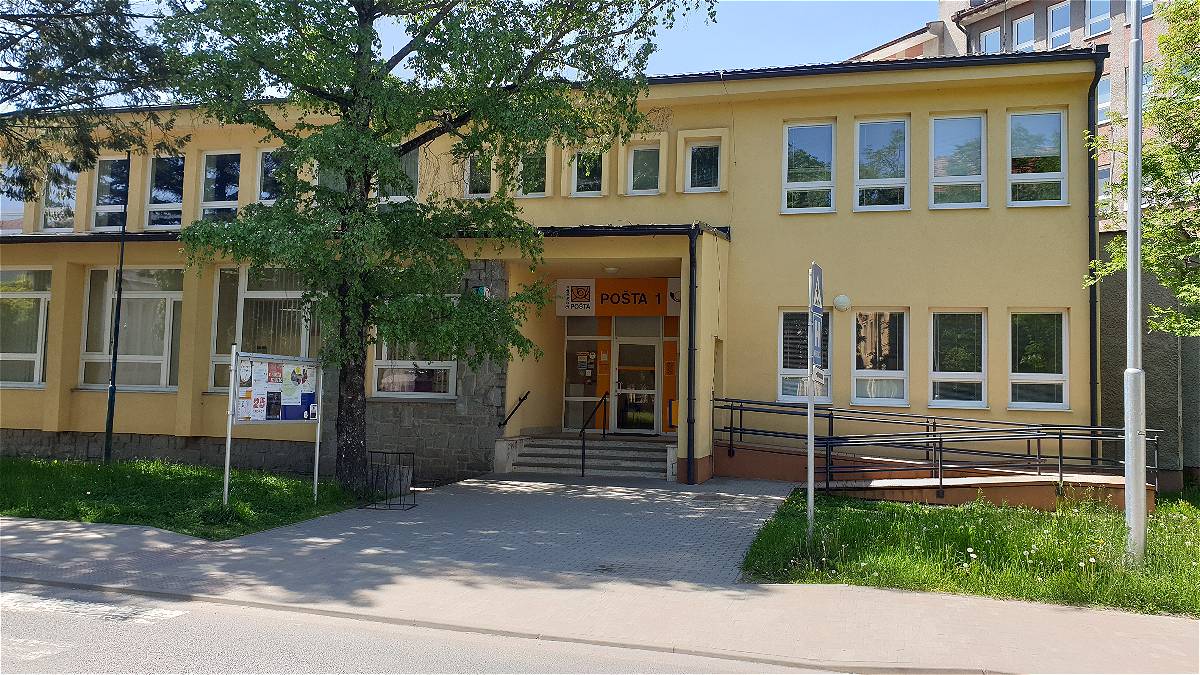 Kezmarok post office nr. 1 Kezmarok post office nr. 1During my call at the local tourist office, I had bought another thirteen postcards and asked for directions to a post office. This turned out to be the only post office I visited that had both € 1.50 and € 1.60 stamps. The clerk handed me a complete sheet of ten eight stamps covering the 'Europe' postage rate. This was the same 2022 'Europa' themed stamp as I had bought from the post office in Poprad. 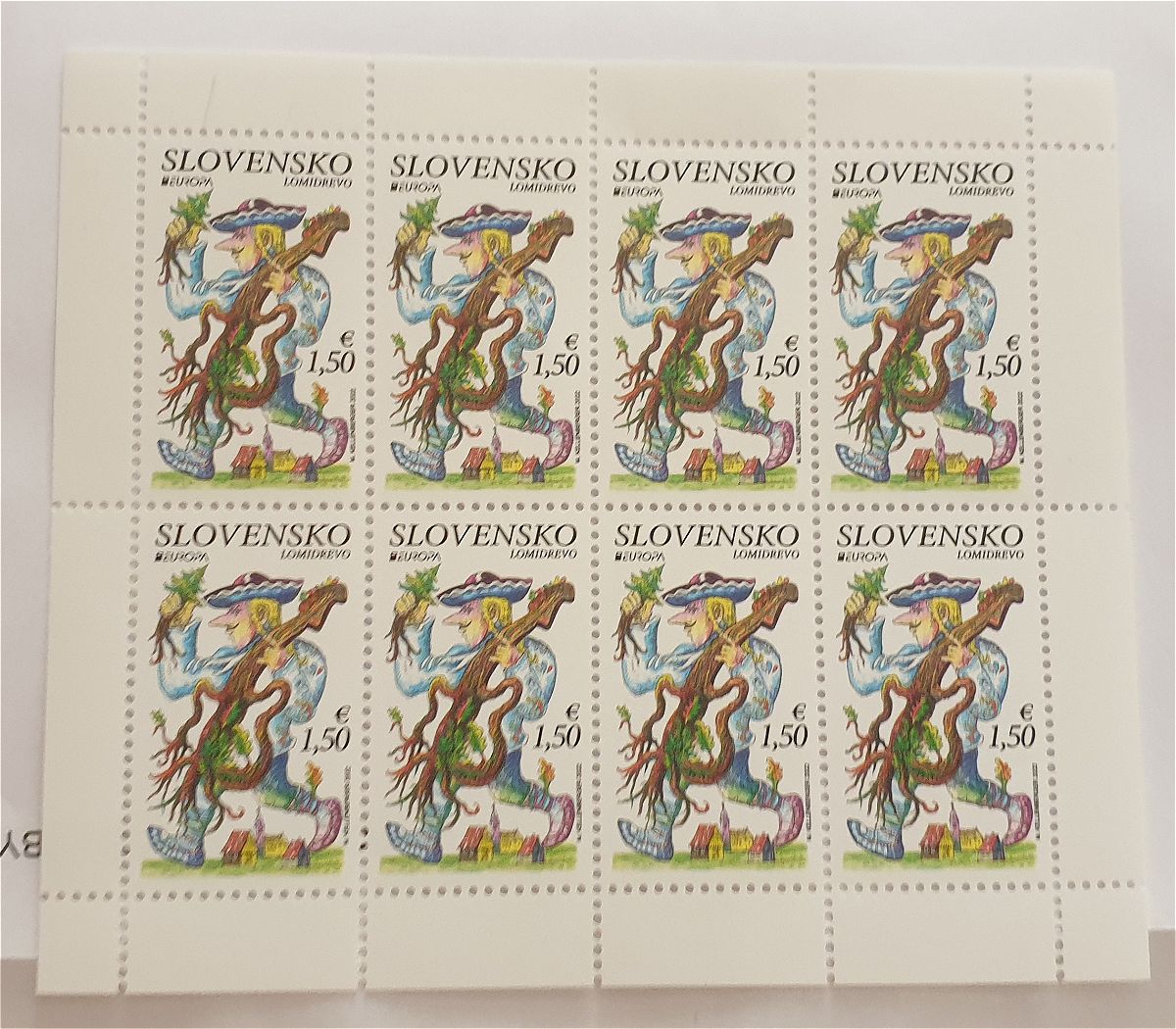 Sheet of 2022 'Europa' stamps Sheet of 2022 'Europa' stampsThe clerk had a type of provisional clipboard holding a range of stamps. Seeing the different stamps, I asked her for one each of those stamps that she willingly provided. She even prevented me from making the mistake of buying just one stamp from a se-tenant pair (top left in below picture) as I had not noticed these were different se-tenant stamps. 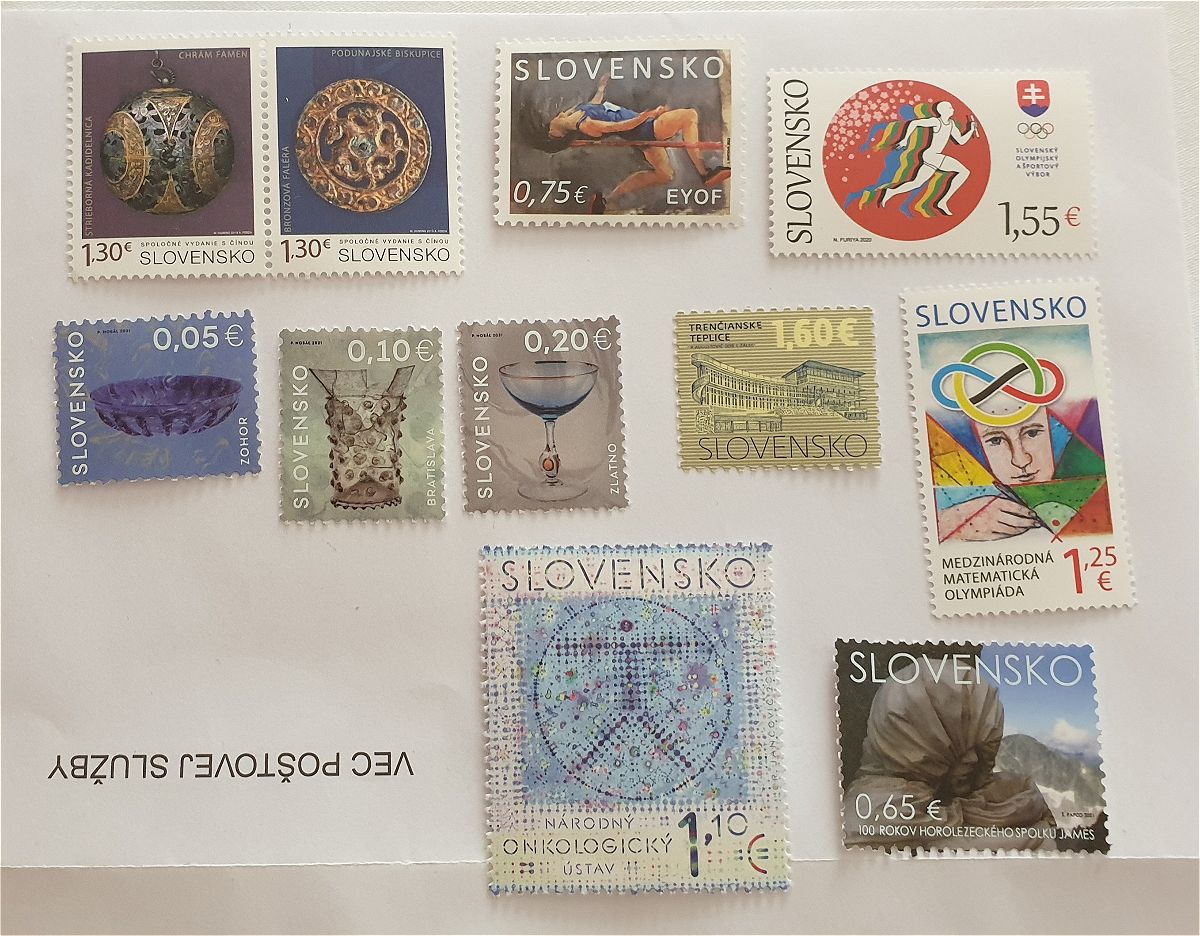 Selection of stamps on sale at Kezmarok post office nr. 1 Selection of stamps on sale at Kezmarok post office nr. 1 |
|
Send note to Staff
|
| Edited by NSK - 06/14/2023 02:27 am |
|
|
Pillar Of The Community
United States
8956 Posts |
|
|
NSK, I hope you did not pay for ten "Europa" stamps, there were only eight. Is it normal for the stamps there to come in sheetlets of eight?
Peter |
|
Send note to Staff
|
|
|
Pillar Of The Community
Netherlands
6647 Posts |
|
|
@Peter4522,
Thanks for correcting me.
Yes and no. I did pay for ten stamps and I got ten stamps. It must have slipped my mind the clerk handed me two further stamps. I thought these were all the 'Europe' rate stamps I used in Kezmarok and without checking concluded the sheet must have been of ten stamps. It is obvious this sheet just was of eight.
I am quite sure the clerk in Poprad did not take a sheet of eight stamps out of her folder. Maybe, she had already been splitting up sheets. From what I can find, this stamp exists both with traditional gum and as self-adhesive. It also appears the traditional-gummed stamps were issued in these sheets of eight. I am sure she used the gummed stamps as well. I bought eleven, there. One I took with me for my colleague. It has conventional gum.
At some post offices, I received strips of ten stamps. So this is not a standard sheet format. European postal authorities have long recognised that issuing certain stamps in smaller sheets would increase sales as collectors would buy the sheets instead of single stamps. Many collectors collect 'Europa' and 'Christmas' stamps in sheets, if not too large. |
|
Send note to Staff
|
| Edited by NSK - 06/14/2023 02:59 am |
|
|
Pillar Of The Community
Netherlands
6647 Posts |
|
|
The stamps shown in the picture above are:
€ 1.30 (se-tenant pair): 7 October 2019, 70th anniversary of diplomatic relations with China (Avar horse bridle latch & Tang Dynasty censer)
€ 0.75: 23 July 2022, European Youth Olympic Festival, Banska Bystrica 2022
€ 1.55: 14 April 2021, Summer Olympic Games 2021, Tokyo
€ 0.05: 4 January 2021, 'Glasswork' definitives, Roman glass bowl from Zohor
€ 0.10: 4 January 2021, 'Glasswork' definitives, 13th century glass goblet from Bratislava
€ 0.20: 4 January 2021, 'Glasswork' definitives, golden Zuzana wine glass from Zlatno
€ 1.60: 10 February 2016, 'Cultural Heritage of Slovakia' definitives, Trencianske Teplice
€ 1.25: 7 June 2019, 60th International Mathematics Olympiad, Bath
€ 1.10: 5 November 2015, National Cancer Institute
€ 0.65: 13 August 2021, Centenary of the 'JAMES' mountaineering organisation
The € 1.60 definitive issued in 2016 covered the 'Rest of World' rate and was the stamp many of the post offices stocked.
|
|
Send note to Staff
|
|
|
Pillar Of The Community
Netherlands
6647 Posts |
|
|
An excursion to Spisska Bela and the Strazky ManorHaving some extra time during my stay in Kezmarok, I consulted my guide for interesting day-trip suggestions. The top candidates were a mediaeval castle on a hill guarding the border with the Polish kingdom and the town of Spisska Bela, including a three-kilometres walk to the village of Strazky with its Renaissance manor. Of course, both in Spisska Bela and Strazky, there also was a rare opportunity to see a mediaeval church with a free-standing Renaissance bell tower. Either way, it involved catching the train along the Poprad River I had taken to get from Poprad to Kezmarok. The old town of Spisska Bela is a road atop a hill with town houses on one side and the church to which I alluded on the other side. Next to the church stand the historic town hall and the house of the mathematician Josef Maximilan Petzval. In 1840, Josef Petzval developed the photographic portrait objective lens. At the tourist office, I bought four postcards and asked for a brochure with information on the town's sights, directions to the post office, and to Strazky. The woman who assisted me was extremely helpful and even gave me a book the town had printed in 2018 for the 755th anniversary of the first documentation of Spisska Bela. This book with some 250 pages has high-quality photos of the town and its cultural events on most pages. As they had no map of the town left, she printed one for me from the web and marked where I could find the post office. 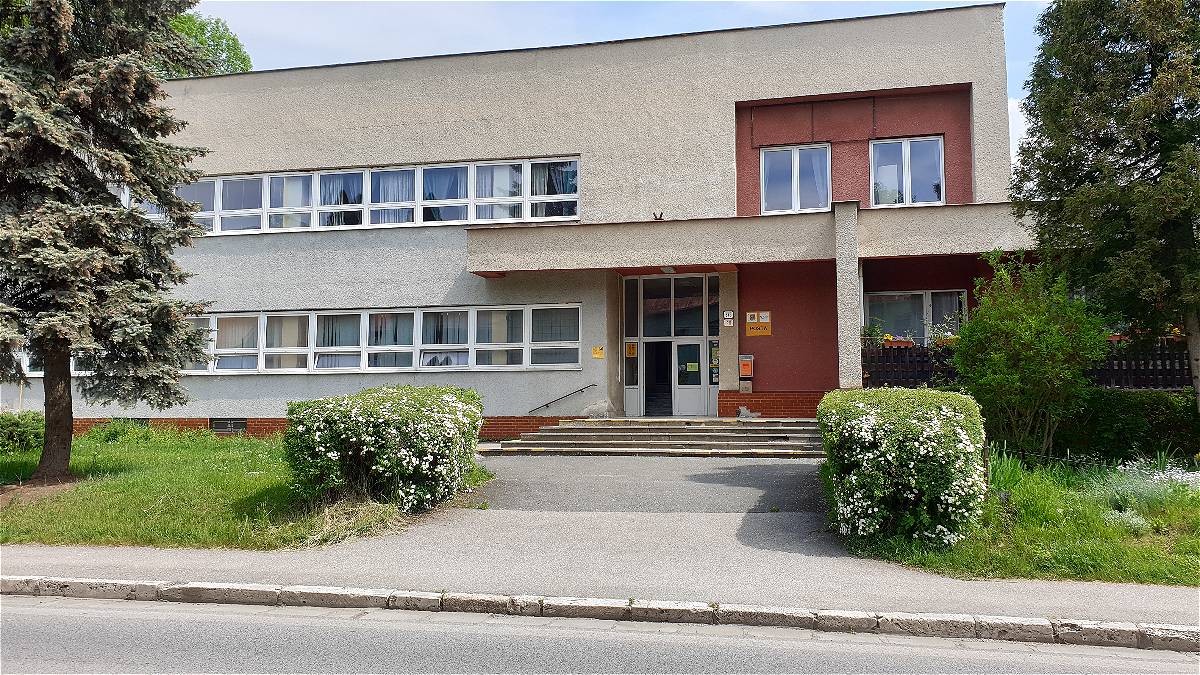 Spisska Bela post office Spisska Bela post officeThe yellow sign on the façade of the post office simply read 'Posta.' There was no number visible. At the post office, I bought stamps for the four postcards. This time, I required three 'Europe' stamps and one 'Rest of World' stamps. The latter, again, did not pose a problem. The former, required some calculation in the hometown of a famous mathematician. It turned out that two € 0.75 stamps commemorating the 150th anniversary of the Eastern Slovakia Museum in Kosice would cover the 'Europe' postage rate. 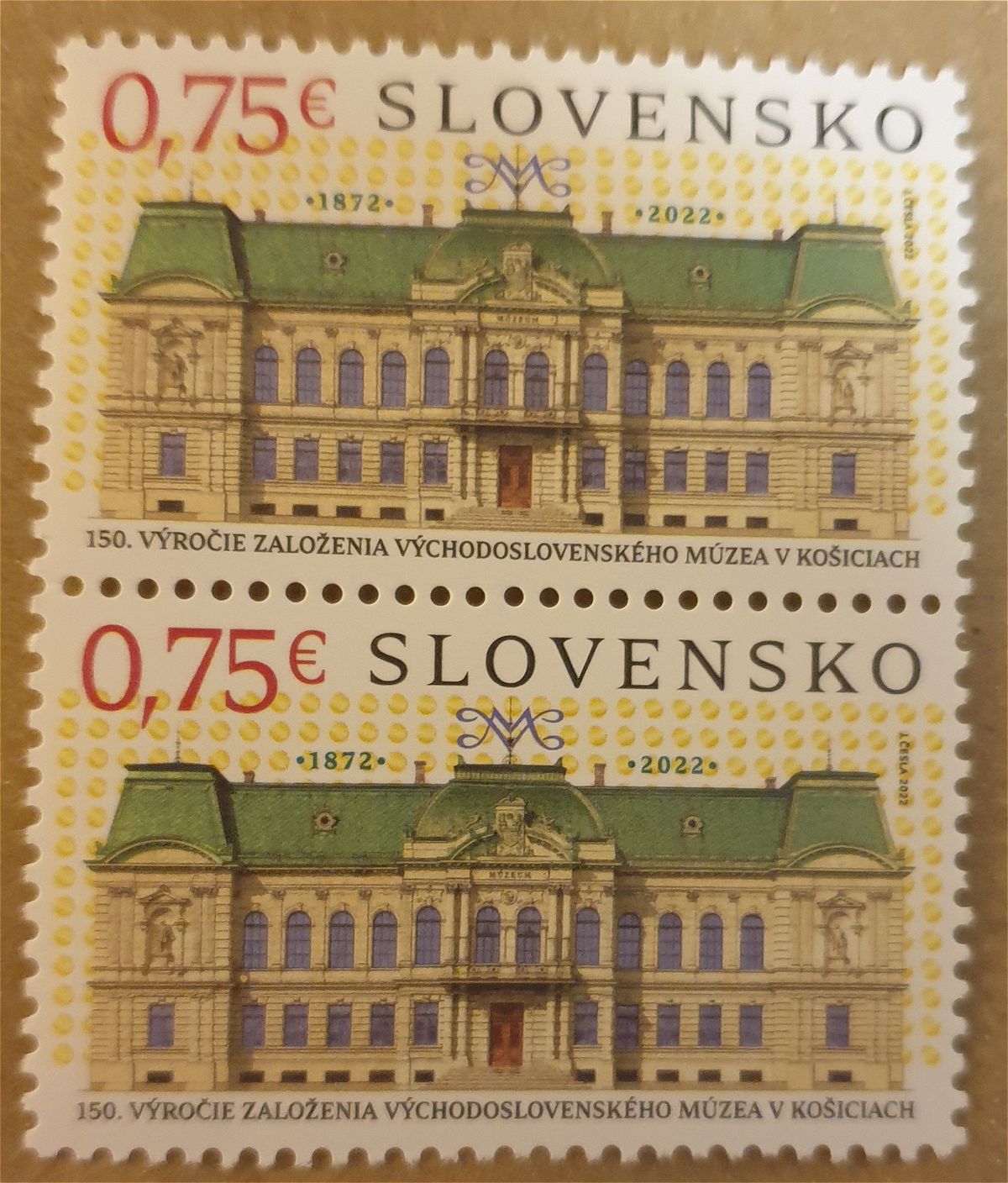 27 October 2022: 150th anniversary of the Eastern Slovakia Museum in Kosice 27 October 2022: 150th anniversary of the Eastern Slovakia Museum in KosiceHaving bought postcards and stamps, and with a heavy book about Spiska Bela, I set off on my walk to Strazky, three kilometres down the main road to Kezmarok. As usual, the church was closed. The manor house was as well. Still, the interest is in its external architecture. After a stroll through its 'English' garden, I set off on my journey back to Kezmarok. 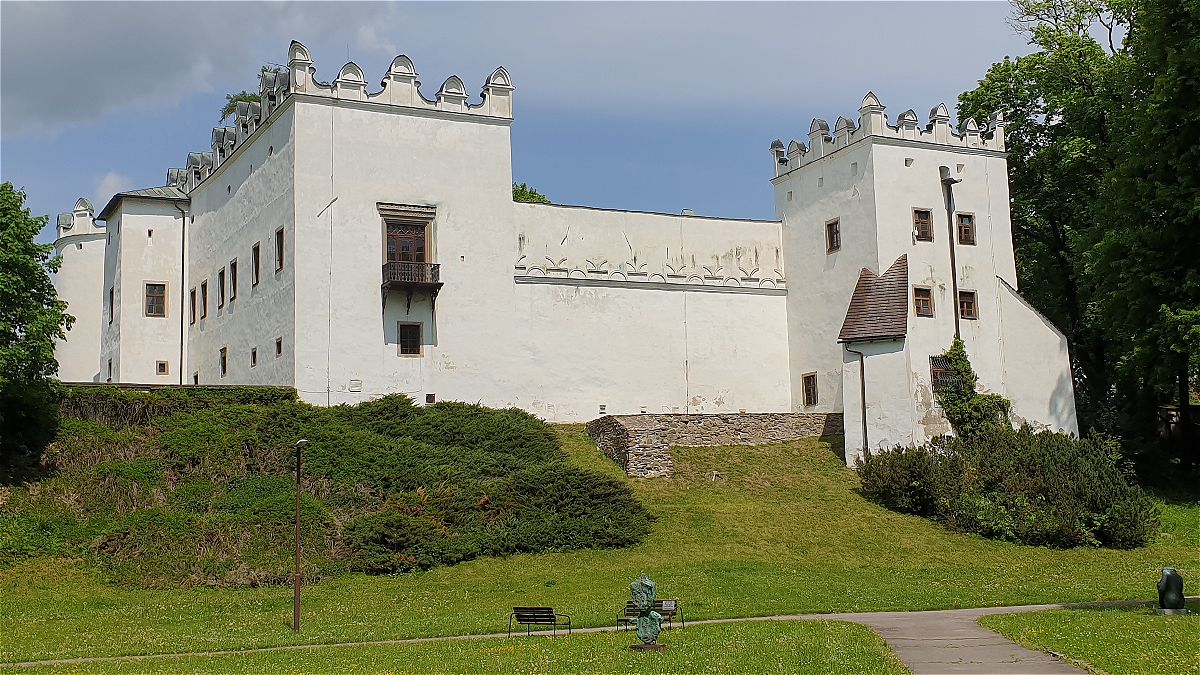 Kastiel' (Manor) Strazky Kastiel' (Manor) Strazky |
|
Send note to Staff
|
|
|
Pillar Of The Community
Netherlands
6647 Posts |
|
|
Stage 3: LevocaOn Thursday, it was time to pack my suitcase and continue my journey through the Spis Region. My next port of call was Levoca, some 30 kilometres southeast of Kezmarok. I figured out there was one direct bus service. I had no idea how busy it would be and whether there would be space for my suitcases. The alternative was to take the train back to Poprad and catch one of the frequently running busses from the bus station across the road. I decided on the latter alternative. Depending on which bus route you take, the ride from Poprad to Levoca takes between 20 and just under 30 minutes. The bus I caught called at Spisska Stvrtok. The bus stop was near its Gothic church. This was the most interesting of the many mediaeval Gothic Saxon churches in the Spis Region. Levoca is considered one of the most beautiful historic towns in Slovakia. The whole old town has been listed as UNESCO World Heritage. For centuries, there existed a bitter rivalry between Levoca and Kezmarok that both were on the important trade route between the Orient and Poland. Levoca prevailed. It was the largest town in the Spis Region. The young man who guided me around its Renaissance town hall told me most towns had between 12 and 40 houses in the late Middle Ages. At the time, Levoca had 400 houses and many guilds. 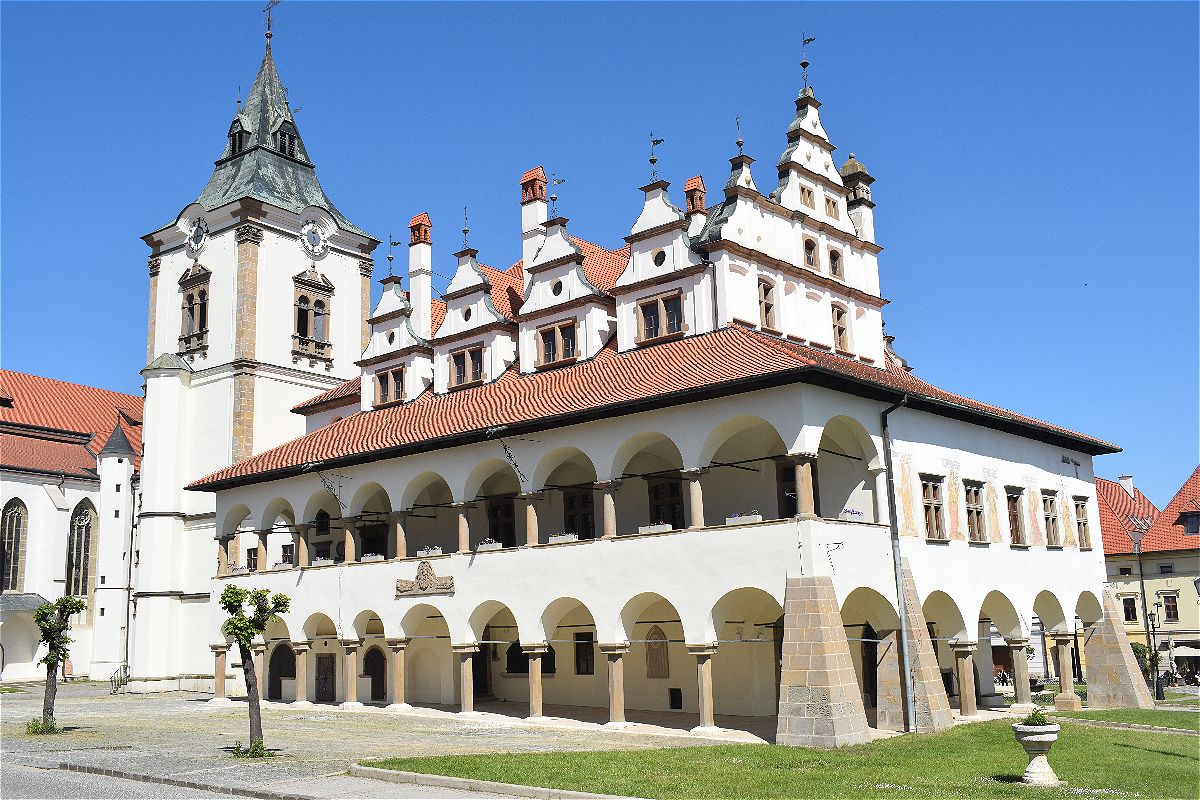 Levoca Renaissance town hall and bell tower Levoca Renaissance town hall and bell towerThe central square is the largest of its type in Slovakia. In its centre stands the14th-century basilica of Saint James with the world's highest wood-carved altarpiece. The author of the altarpiece was Master Paul of Levoca who had his workshop on the square. Unlike the parish churches in the towns I had visited, it had no free-standing Renaissance bell tower. Next to the church stands one of the most beautiful town halls of the country (see above picture). It preserves its Renaissance appearance. The town hall has a Renaissance bell tower. Around the square stand many historic mansions. Among these is the Thurzo House. This was commissioned by the Thurzo family. This family founded the Thurzo-Fugger company considered the first capitalist company in Europe. It was built in the style of an Italian Renaissance palace. On the other side of the square stands the post office. The building's present neo-Classical appearance dates to its refurbishment in 1903. This year can be seen atop its façade. It, however, originated in the 14th century and was reconstructed in the 16th century. It is known as 'Old Thurzo House.' 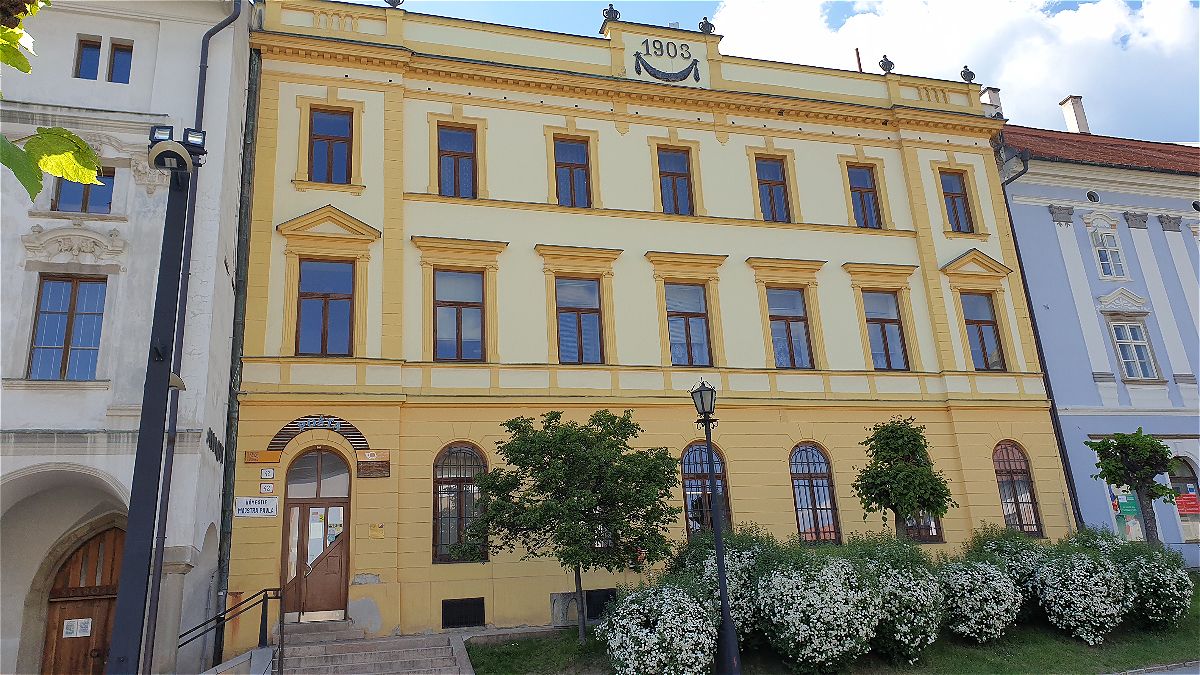 Levoca post office Levoca post officeThe town preserves large sections of its walls that date back as far as the thirteenth century. One of its few remaining bastions, now, is a small hotel. Upon my arrival in the town, I visited the local tourist office. There, I bought the usual thirteen postcards. Once again, the post office did not have stamps that covered the 'Europe' postage rate. Instead, the clerk handed me twenty € 0.75 stamps showing a female Ukrainian refugee and inscribed 'Solidarity with Ukraine.' 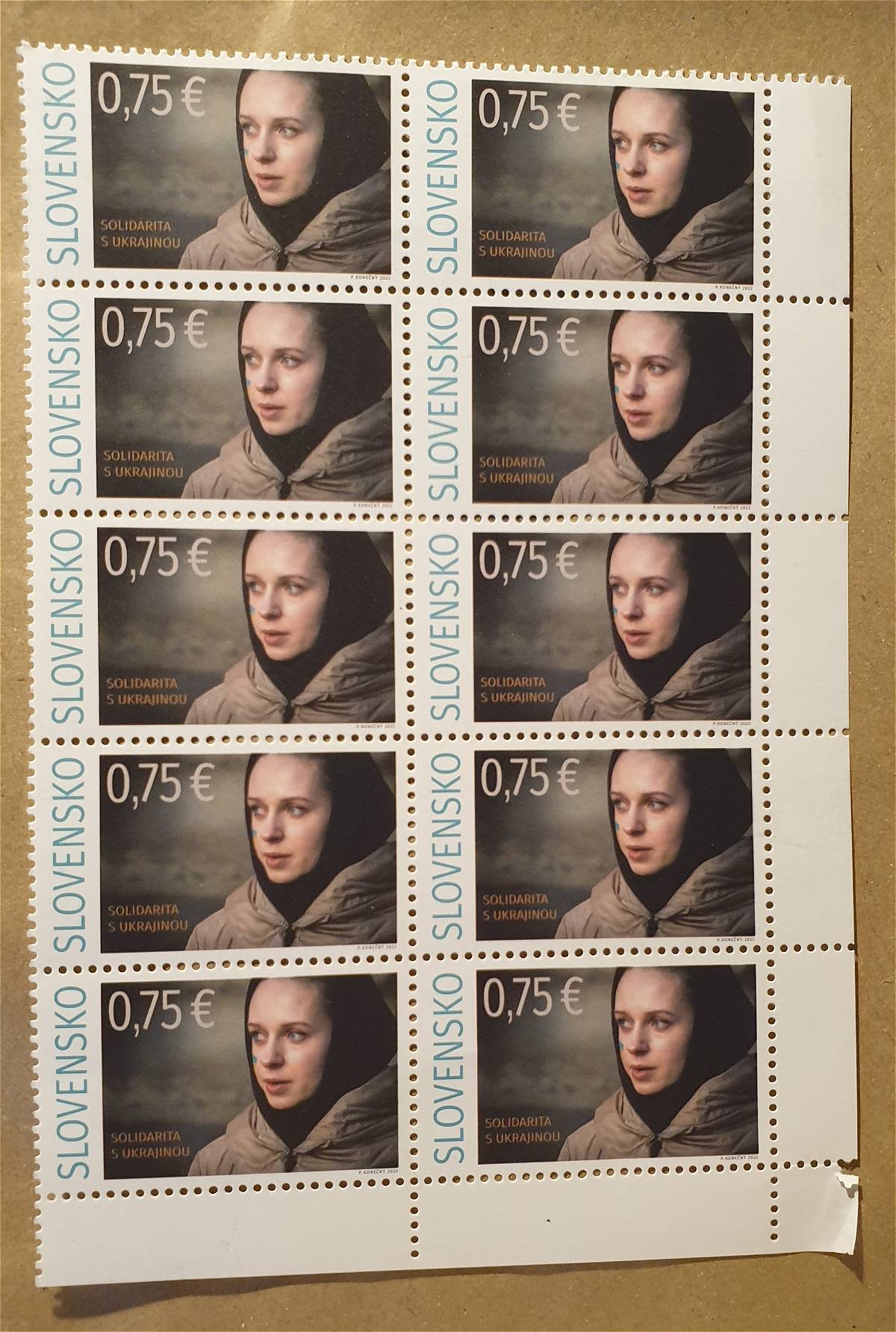 16 September 2022: Solidarity with Ukraine 16 September 2022: Solidarity with UkraineThe block above is half of a block of twenty I bought at the post office. I must confess I had not read the imprint and only learned about the subject of the stamp when I searched for it. Consequently, I sent four Russian friends a postcard with two of these stamps each. Let's see if they arrive. |
|
Send note to Staff
|
|
|
Valued Member
United States
470 Posts |
|
|
Beautiful Journey NSK.
Thank you for taking me along.
I like the Slovensko / solidarity with Ukraine issue, reflective, introspective a little unsettling.
Enjoy your trip, life is a journey.
regards, mark
|
|
Send note to Staff
|
|
|
Pillar Of The Community
Netherlands
6647 Posts |
|
|
Thanks Mark,
The country, often, is overlooked. The Dutch national carrier, KLM, does not even service Bratislava. Most tourists only visit Bratislava, flying there with one of the low-cost carriers. Or they fly with those to Vienna and catch the overcrowded train between Vienna Hauptbahnhof and Bratislava.
I visited the country three times before. The first time was the obligatory trip to Bratislava. Spis Castle was high on my list. Once in the country, there are good roads and the public transport system allows you to, easily, get to most towns. It, however, takes time. You really do not need much more than a day to visit Spis Castle and Spisska Kapitula below it. You might want to stay a second day to be able to get to Zehra unless you have a car. Driving a car, a day will suffice.
Looking at how to make the trip worthwhile, I searched for a 'Slovakia' travel guide. There are only few. I found a good German one on the web. Using the guide, I planned a tour of the area and two further cities I was curious about. I, probably, could have done all in a week. Most of these historic towns are either a square with a church, or a square and a church just off the square. Many of the churches remain closed when there is no mass. However, I like to stroll around, allow for a rainy day or making an excursion, or just have one of those days when half an hour on a bus or trains sucks all the life out of you.
I, really, can recommend visiting the country. There are many World Heritage sites, of the cultural and natural type, but very few busses bringing tour groups behaving like hooligans. Try enjoying Barcelona or Venice - stunning places - these days. In most of these Slovak towns, I had an 'it is mine and mine alone' experience. I am always a bit puzzled by people returning from a trip to Barcelona or Venice and trying to convince me that having a drink on an overcrowded terrace with high prices and terrible service, and any view being blocked by people pulling dumb faces trying to take a decent selfie is the experience of their lives. … Probably, I am the oddball. |
|
Send note to Staff
|
|
|
Pillar Of The Community
France
2942 Posts |
|
|
Pillar Of The Community
Netherlands
6647 Posts |
|
|
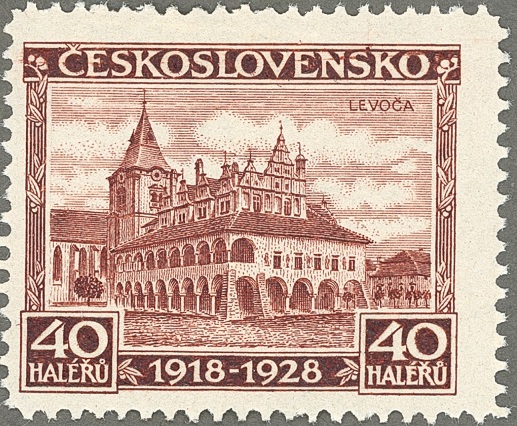
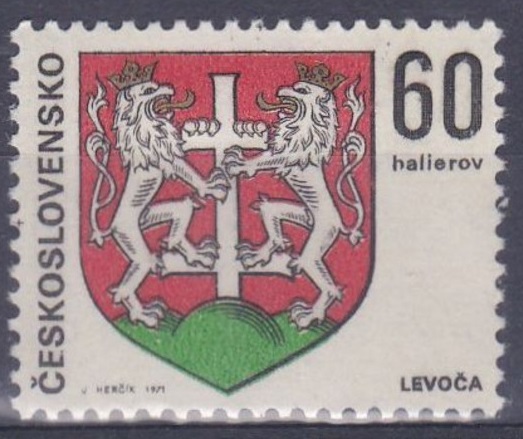
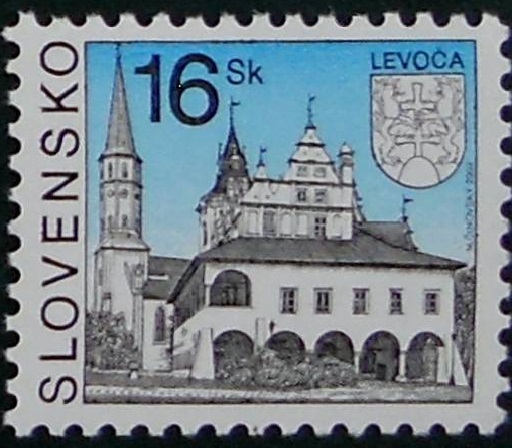
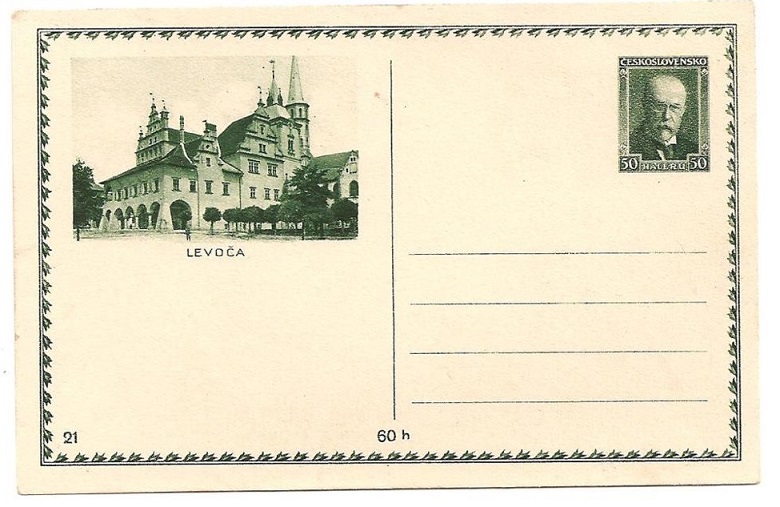
Thanks vayolene.
Very nice additions.
As you can see, they used my picture for that 40h. stamp. ;-) |
|
Send note to Staff
|
|
|
Pillar Of The Community
Netherlands
6647 Posts |
|
|
An excursion to Spisska Nova VesI had enough time for another excursion. I considered getting on a bus towards Poprad and have another look at that church in Spisska Stvrtok or take a bus to Spisska Nova Ves. Considering that churches in the region rarely open other than for services, I decided on visiting the latter. Besides trade and crafts, the town had a copper mining industry. It, also, is known as the gateway to the Slovak Paradise National Park. Around the large square stand many old burgher and craftsmen houses. There is also the provincial house with stucco decorations with six cartouches. At its ground floor is the Levoca gate. The building of mediaeval origin was once the town hall. In 1777, the province of 16 Spis towns bought the building from the town and made it the seat of the province. It, currently, houses the Spis Museum. In the square itself stands a Gothic church with the highest bell tower in Slovakia. It is 87 metres high and opens to visitors who want to climb it. The church guards a calvary group carved by Master Paul of Levoca. Contrary to the bell tower, the church itself does not open to visitors. However, it possible to have a look into the church from the western doorway. 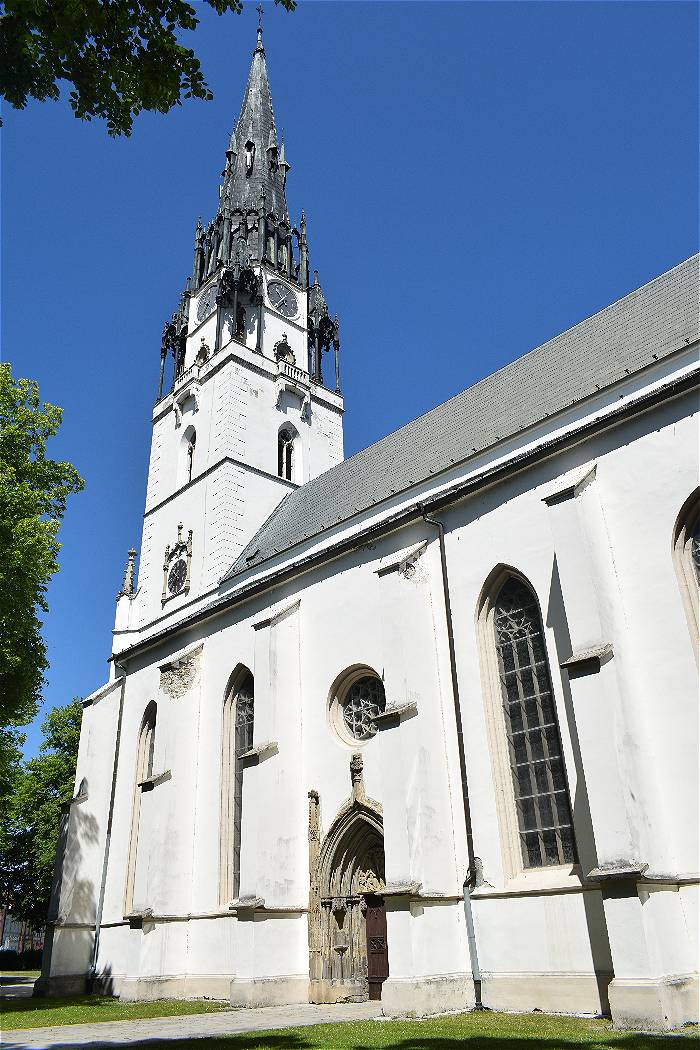 Parish church of the Assumption of the Virgin with Slovakia's highest bell tower Parish church of the Assumption of the Virgin with Slovakia's highest bell towerIn the square also stands the Art Nouveau Redoute from 1902. The building that still serves as theatre once also served as hotel, café, and concert hall. Towards the other end of the square stands the Classicist town hall built between 1777 and 1779. This became the seat of the town council after it sold the mediaeval town hall to the province of the 16 Spis towns. The copper mining industry made the town an important centre for production of bells. Behind the town hall is a memorial to the bell founder Master Konrád. He founded the first Gothic bell foundry in the Spis Region in Spisska Nova Ves. This was the most important in the country. The first mention of him dates to 1357. The workshop existed until 1527. The memorial includes a bell from the workshop that was made around 1500. It, originally, hung in the bell tower of the parish church in nearby Markusovce. 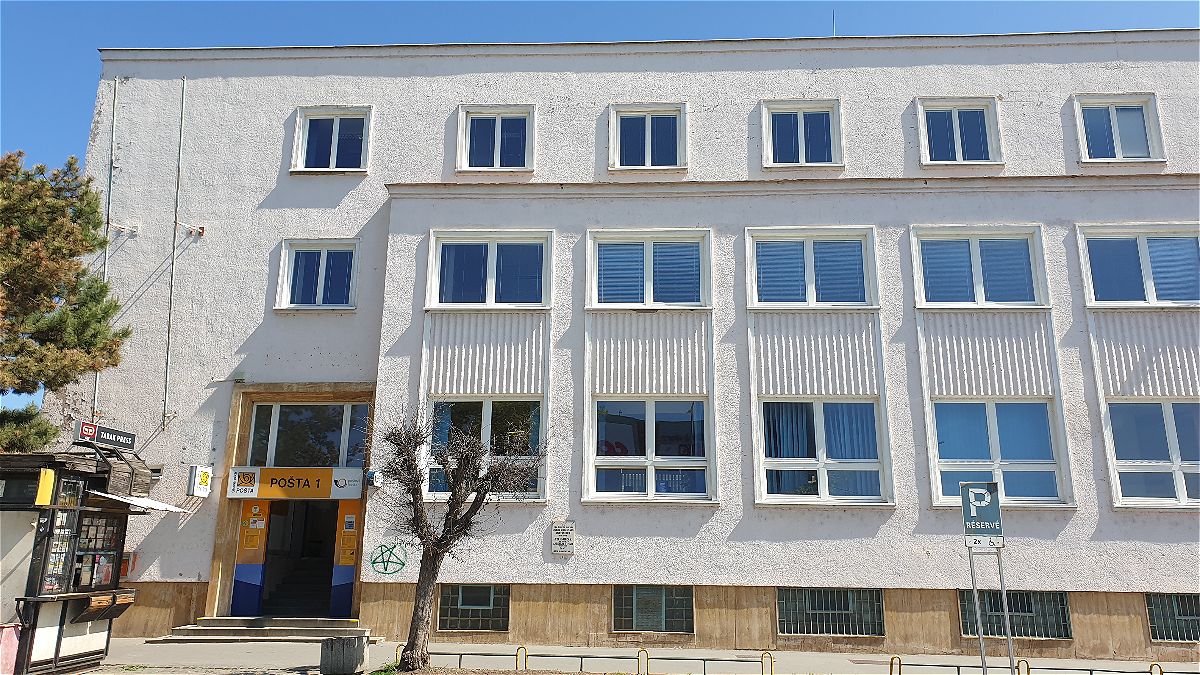 Spisska Nova Ves post office nr. 1 Spisska Nova Ves post office nr. 1Walking from the bus station to the central square, I came across the town's number 1 post office. I went inside to buy stamps for the five postcards I was planning to buy from the tourist office. As usual, the post office did not stock € 1.50 stamps. To make up the correct rate, I got € 1.40 and € 0.10 stamps. The former had been issued just over a week before my visit. The stamp commemorates the bicentenary of the express stagecoach service between Bratislava and Vienna. It was issued on 19 May 2023. The € 0.10 stamps were those of the current 'Glasswork' definitive design posted earlier in this thread (Kezmarok). 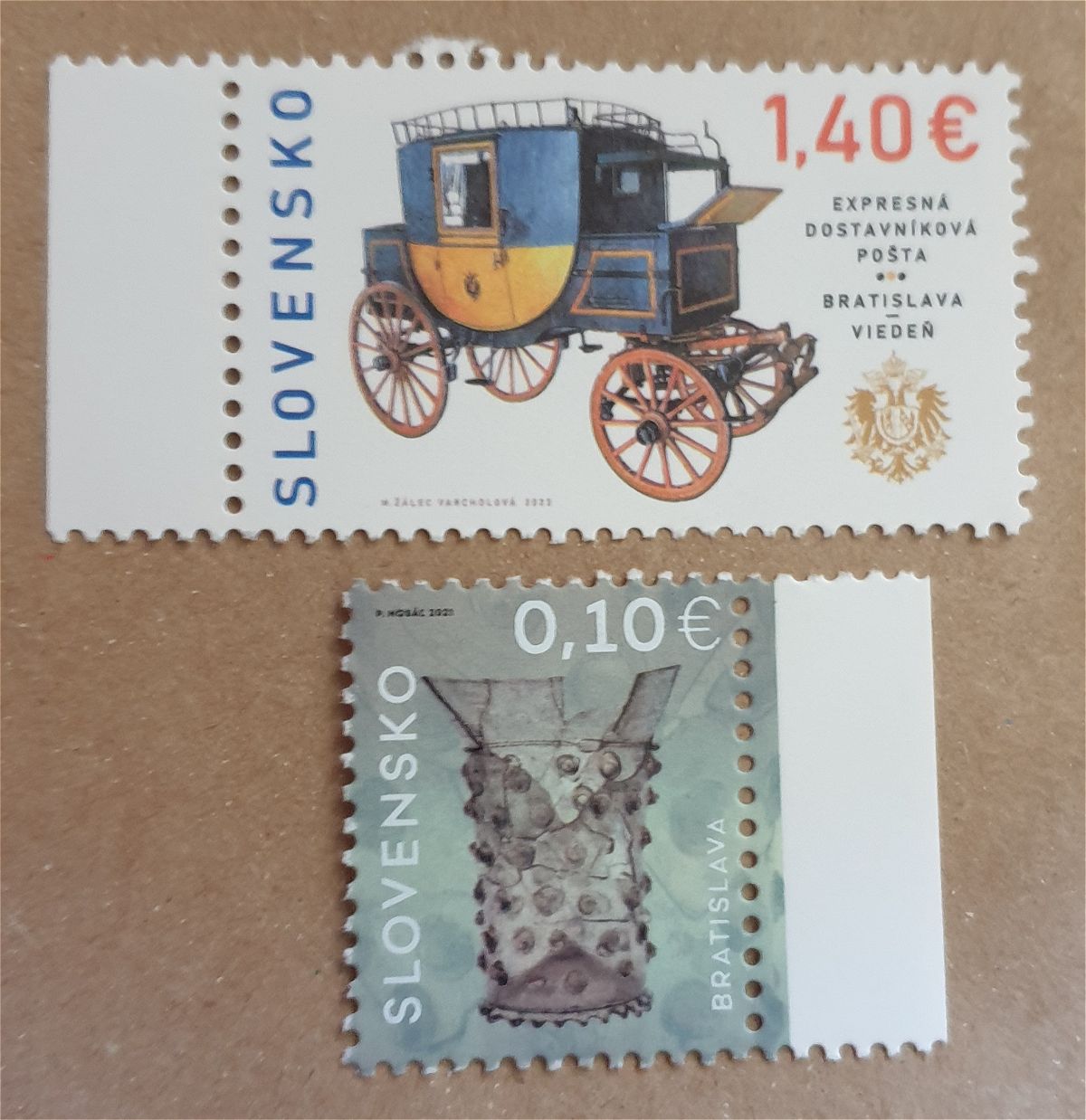 Stamps from Spiska Nova Ves post office nr. 1 to cover the 'Europe' postage rate. Stamps from Spiska Nova Ves post office nr. 1 to cover the 'Europe' postage rate. |
|
Send note to Staff
|
|
|
Pillar Of The Community
Netherlands
6647 Posts |
|
|
The Monastery of the Franciscan Order of Friars Minor in LevocaThe Spis, Szepezség in Hungarian, was part of the Roman Catholic Hungarian Kingdom. Present-day Slovakia, used to be Northern Hungary. After the Mongol invasions of the early thirteenth century, the kings of Hungary sought to repopulate the border regions of their kingdom. During the thirteenth century Germans settled in regions such as the Spis and Transylvania. Although they included people from the Rhineland and even the Low Countries, from the fifteenth century they have been referred to as Saxons. The reformation had strong followings in the Saxon Spis Region. The Catholic Kings of Hungary allowed the Protestant Saxons religious freedom. In the 1930s, the NAZIs considered the Spis Region part of Greater Germany, like the Sudetenland in Bohemia. After the defeat of Germany, most of these Germans left the region, leaving a predominantly Slav population. Roman Catholicism has a strong foothold in Slovakia, including in the Spis Region. I found most of the mediaeval churches closed. Sometimes, there was a services and people even were outside attending service, kneeling in reference. After Slovakia became an independent republic in 1993, the country has been visited several times by Popes John Paul II and Francis. 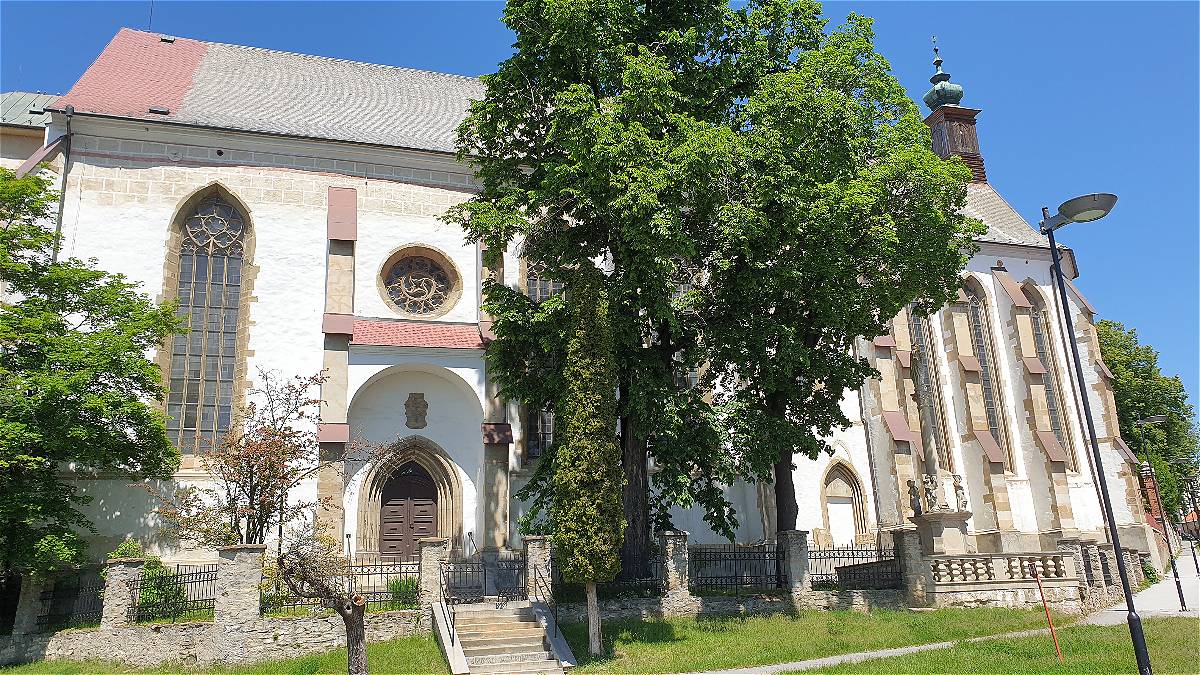 Black Church of the Franciscan Order of Friars Minor Black Church of the Franciscan Order of Friars MinorIn the fourteenth century, Franciscans of the Order of Friars Minor founded a monastery in Levoca. It is possible to visit the Black Church of the monastery by guided tour. I went on an English tour of the church. Since I was the only visitor, I could choose whether to have the tour in English or German. The tour starts at set times and the woman who would guide me invited me to visit the exhibition in the cloister galleries whilst waiting for the start of the guided tour. On display were gifts exchanged during papal visits of Slovakia and visits of Slovak dignitaries to Popes. Near the entrance of the church was a display of philatelic items issued on the occasions of Papal visits to the Slovak Republic. 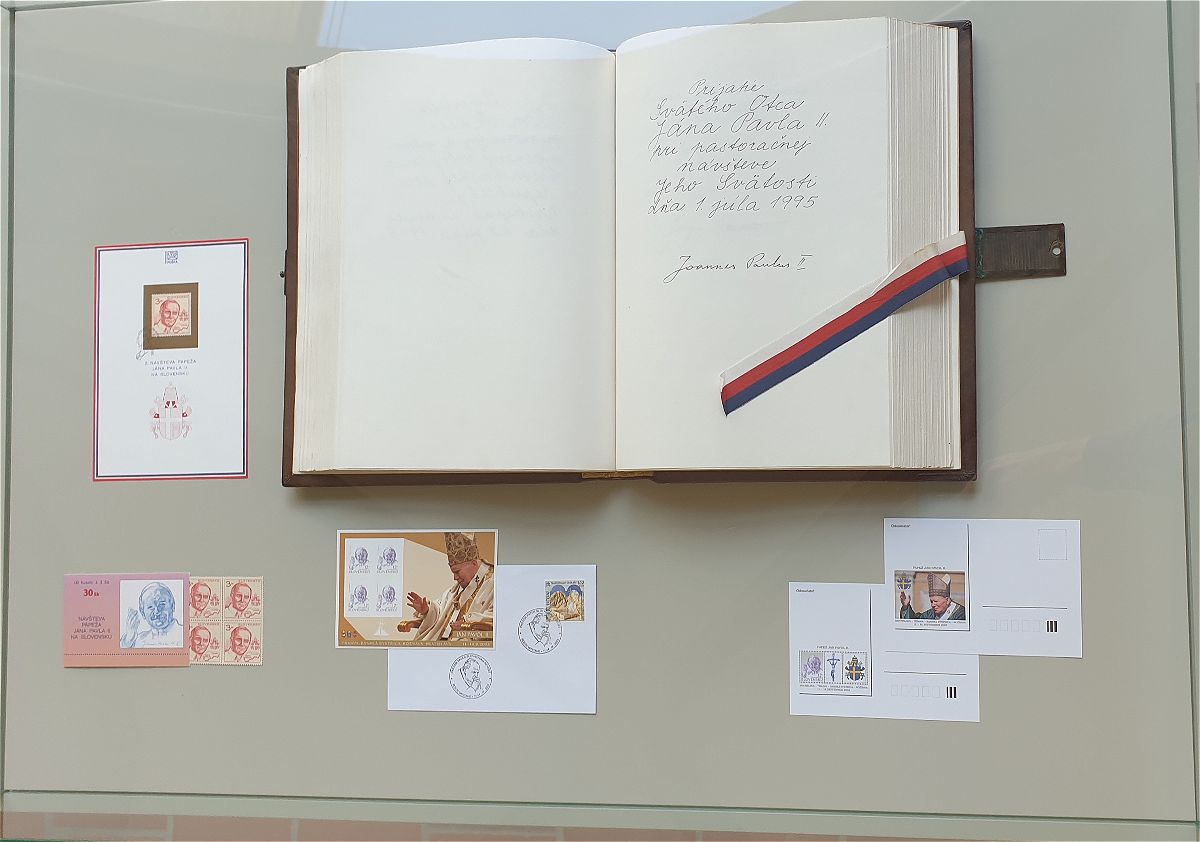 Philatelic items that were part of an exhibition of Papal presents Philatelic items that were part of an exhibition of Papal presentsAt the centre of the display is an entry into the guest book of the President of the Slovak Republic by Pope John Paul II on the occasion of his second visit (30 June – 3 July 1995) to the country, dated 1 July 1995. 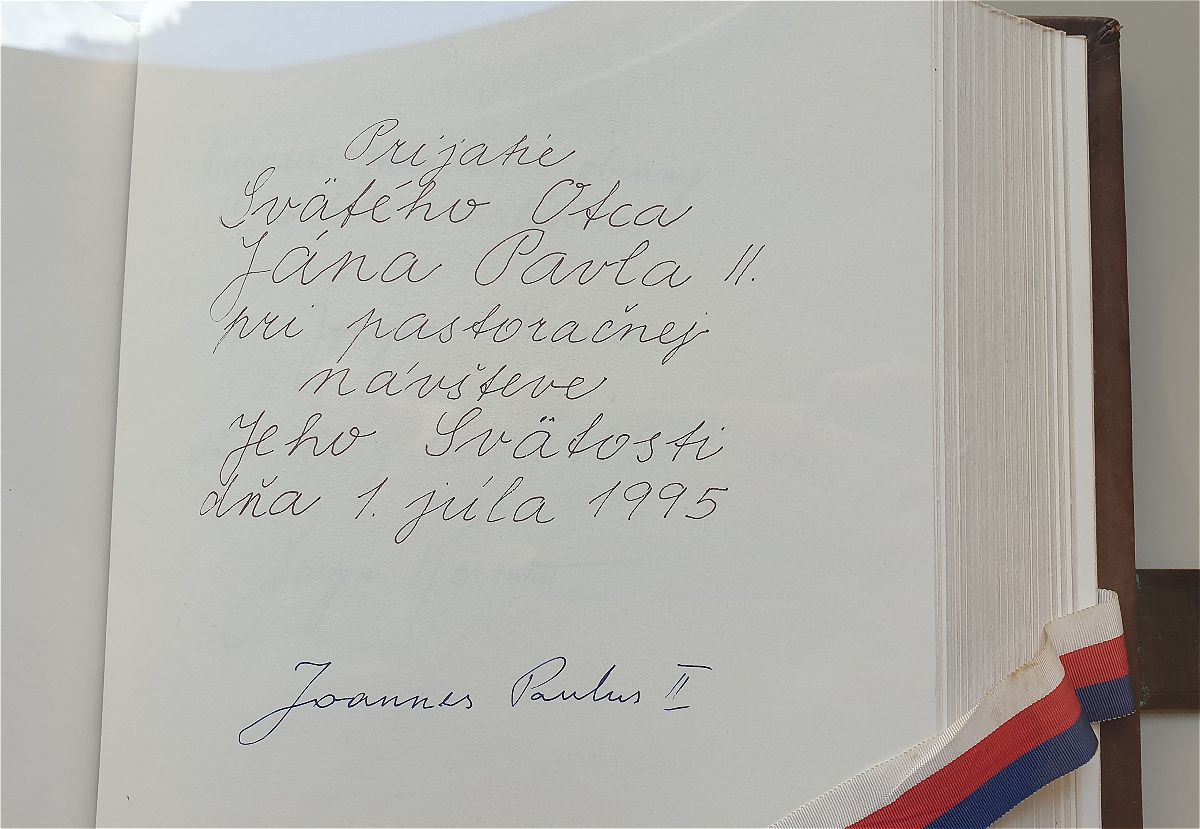 Entry in the guestbook of the President of the Slovak Republic by Pope John Paul II, 1 July 1995 Entry in the guestbook of the President of the Slovak Republic by Pope John Paul II, 1 July 1995To commemorate the visit of Pope John Paul II, the Slovak post issued a 30 Slovak Koruna stamp. The stamp shows a portrait of the Pope against a background that shows a map of Slovakia with the places to be visited by the Pope marked. Among the places the Pope visited was Levoca. 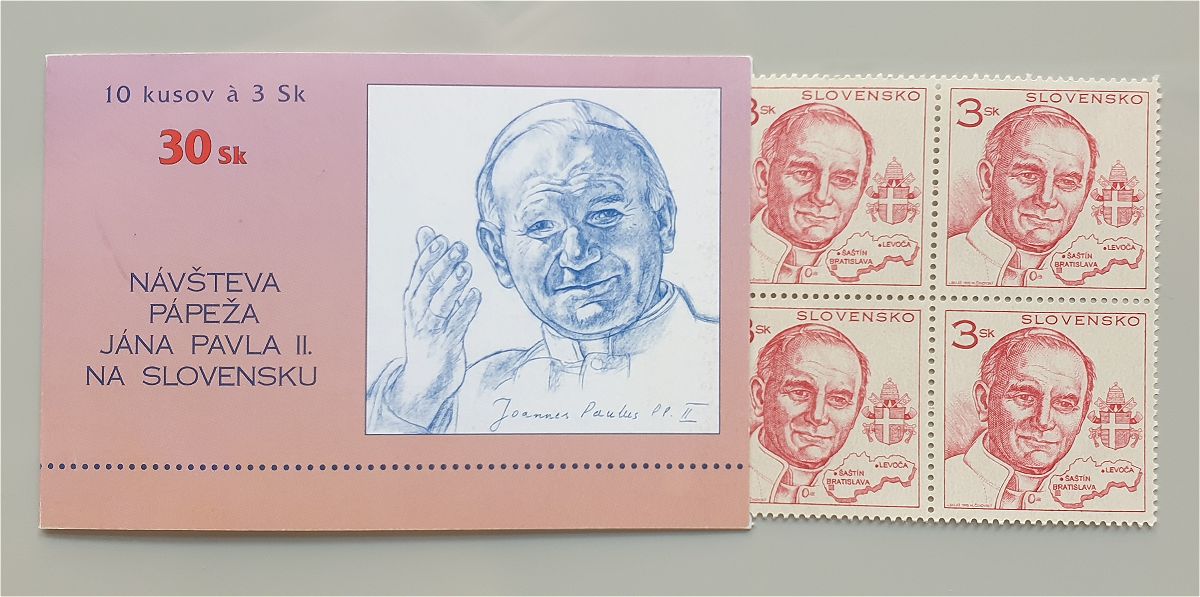 29 May 1995, Stamp book containing ten SK 30 stamps commemorating Pope John Paul II's visit of Slovakia 29 May 1995, Stamp book containing ten SK 30 stamps commemorating Pope John Paul II's visit of SlovakiaThere also was a sheet with the stamp cancelled on the first day of issue in Sastin-Straze that appears on the map. The sheet refers to the second visit of Pope John Paul II to Slovakia. The first was a visit to Czechoslovakia in 1990, when the pope visited Bratislava. 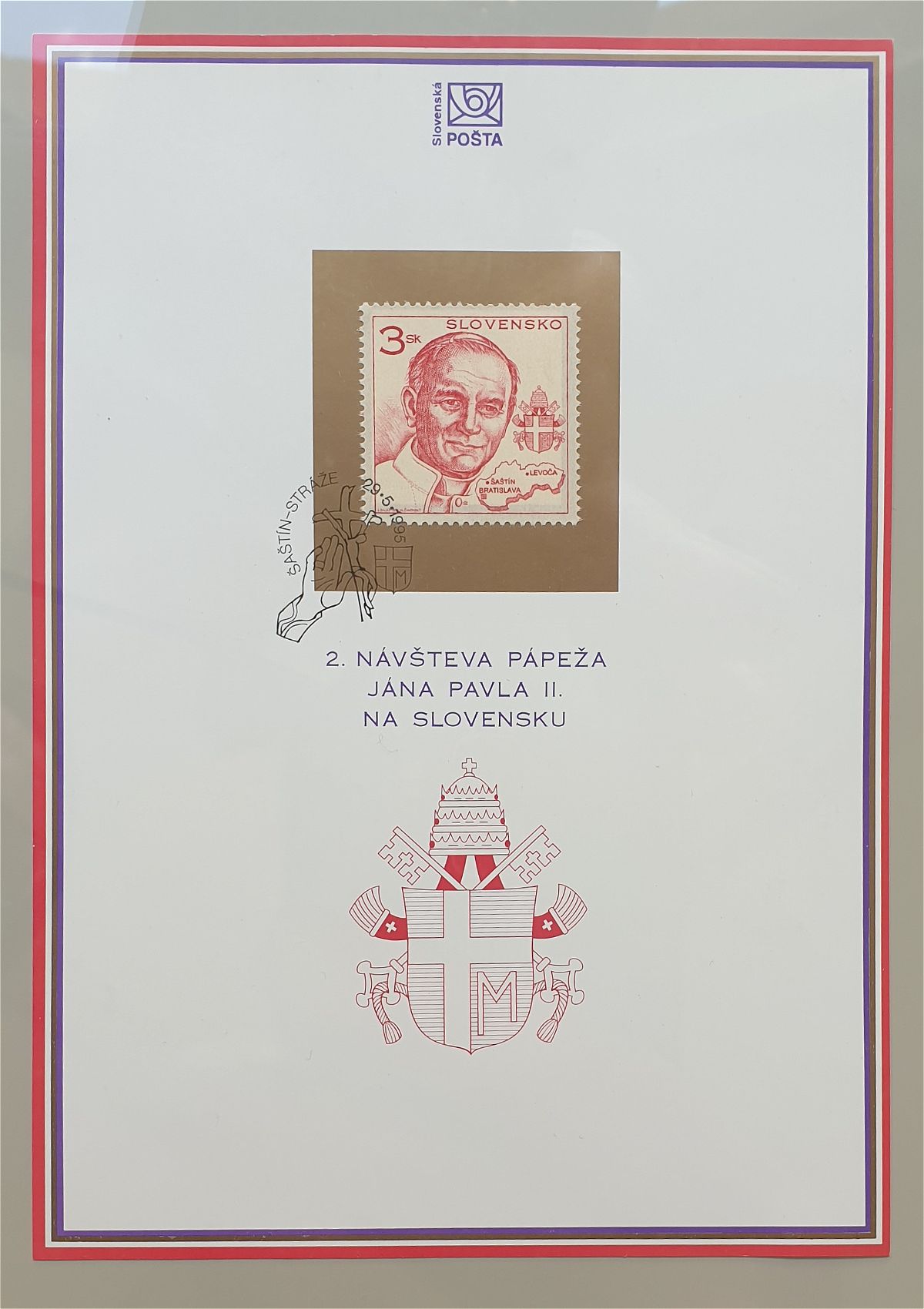 29 May 1995, Sheet with a SK 30 stamps commemorating Pope John Paul II's visit of Slovakia cancelled on the first day of issue 29 May 1995, Sheet with a SK 30 stamps commemorating Pope John Paul II's visit of Slovakia cancelled on the first day of issueFrom 11 until 14 September 2003, Pope John Paul II, again, visited Slovakia. Both the Slovak and Vatican postal services commemorated this third visit. On display were the miniature sheet of four SK 12 stamps depicting the Pope, issued by the Slovak post office and a cover with a L 500 / € 0,26 dual currency stamp commemorating the journeys of the Pope (Mount Sinai 26 February 2000) cancelled with a cachet commemorating the pastoral revisit to Slovakia 11-14.IX.2003. The former was issued on 7 September 2003. The Vatican City stamp was issued on 25 September 2001. 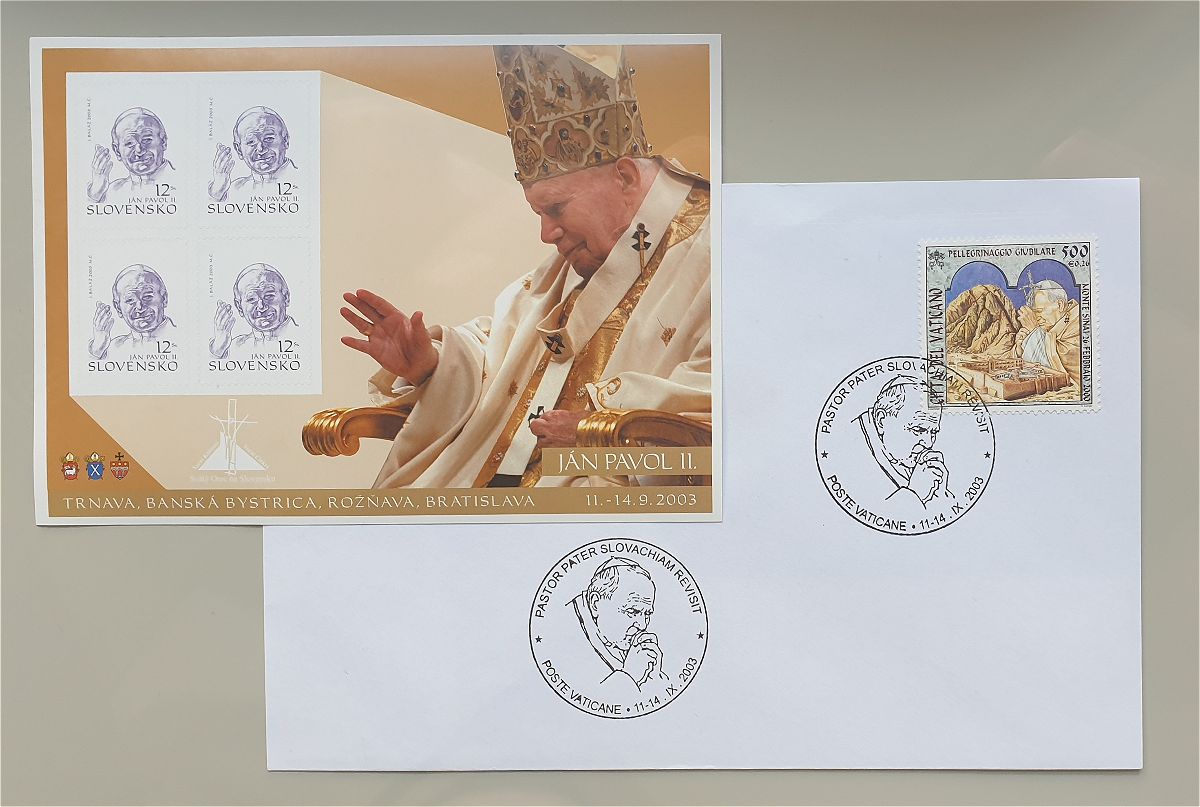 7 September 2003, souvenir sheet with four SK 12 stamps commemorating Pope John Paul II's visit of Slovakia and a commemorative cover bearing a Vatican City stamp (25 September 2001) cancelled by a commemorative cachet 7 September 2003, souvenir sheet with four SK 12 stamps commemorating Pope John Paul II's visit of Slovakia and a commemorative cover bearing a Vatican City stamp (25 September 2001) cancelled by a commemorative cachetFurthermore, there were two postal-stationary items relating to the visit. One was a postcard with a portrait of the pope. The other reproduces a slightly altered version of the SK 12 stamp issued by the Slovak post on 7 September 2003 with labels. 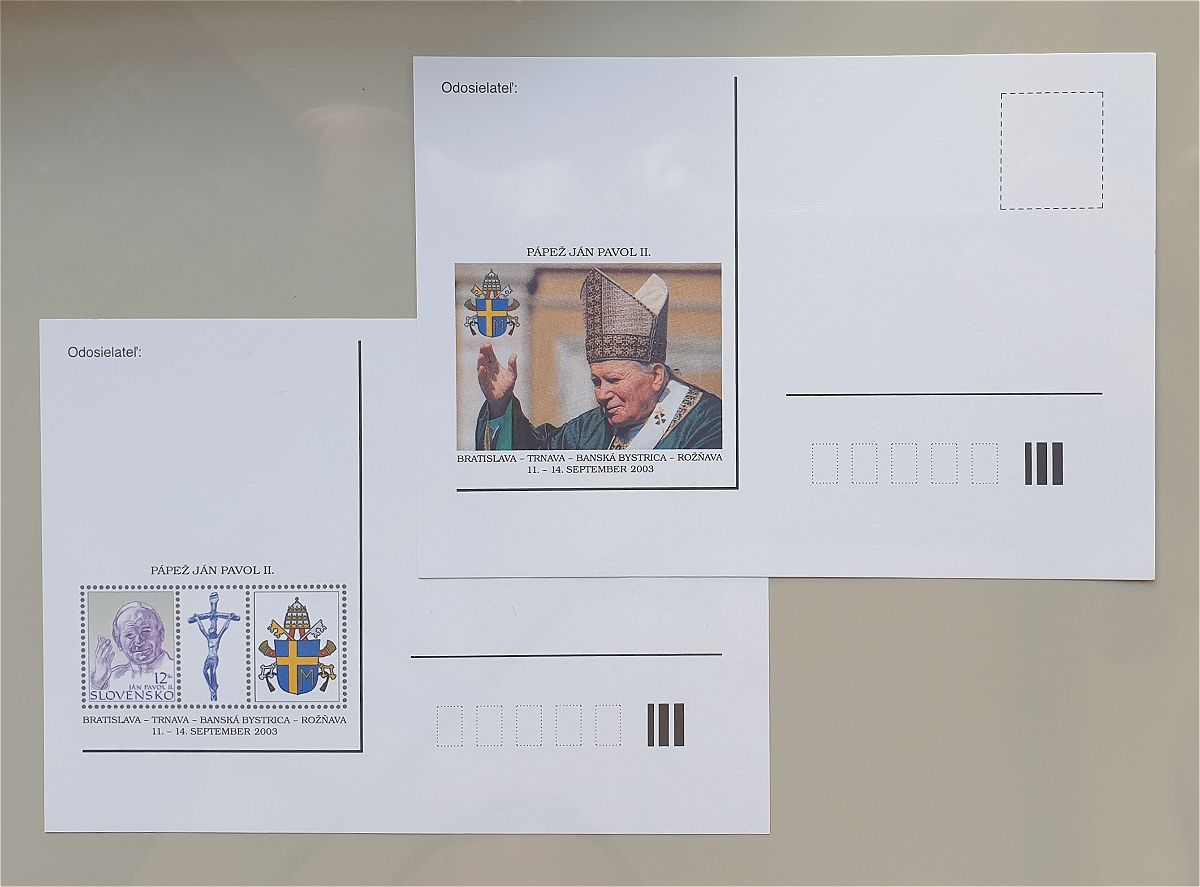 2003, souvenir postal stationary commemorating Pope John Paul II's third visit of Slovakia 2003, souvenir postal stationary commemorating Pope John Paul II's third visit of SlovakiaFrom 12 until 15 September 2021, Pope Francis visited Slovakia. On 10 September 2021, the Slovak post office issued a € 1,20 stamp commemorating the visit. The stamps were printed in panes of 15 stamps with 15 commemorative labels. 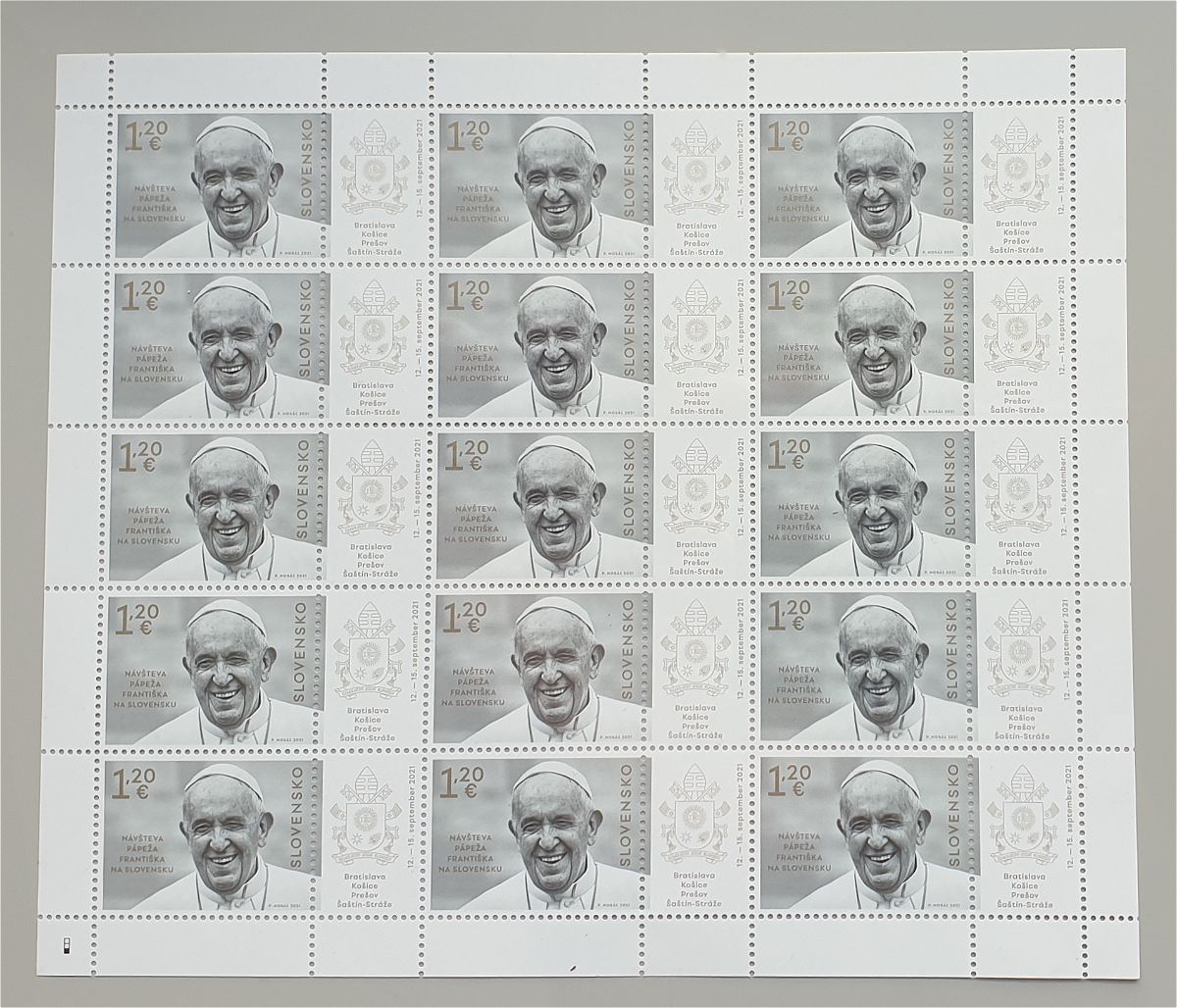 7 September 2023, pane of fifteen stamps with commemorative labels commemorating the visit of Pope Francis to Slovakia 7 September 2023, pane of fifteen stamps with commemorative labels commemorating the visit of Pope Francis to SlovakiaAfter the tour, I told the guide what a pleasant surprise it had been as a stamp collector to have seen the stamp exhibits. |
|
Send note to Staff
|
|
|
Replies: 19 / Views: 2,083 |
|
|
To participate in the forum you must log in or register. | |
Disclaimer: While a tremendous amount of effort goes into ensuring the accuracy of the information contained in this site, Stamp Community assumes no liability for errors. Copyright 2005 - 2026 Stamp Community Family - All rights reserved worldwide. Use of any images or content on this website without prior written permission of Stamp Community or the original lender is strictly prohibited.
Privacy Policy / Terms of Use Advertise Here |
| Stamp Community Forum |
© 2007 - 2026 Stamp Community Forums |
| It took 0.35 seconds to lick this stamp. |
 |
|




 Posted 06/12/2023 5:46 pm