For the longest time I ignored lists of unsold lots published shortly after a public auction. After all, if the unsold lots were any good, someone would have bid on them, right? Also, since there is typically no discount from the original opening bid and you still have to pay the buyer's premium, why bother?
I eventually learned to NOT ignore these lists, as you never know when an auction house and their lotters might overlook an aspect of significance, or more frequently, if specialists in a particular area aren't focused on that particular auction, something might skate through.
The latter was the case (in my opinion) with the latest Rasdale auction. I hadn't seen anything of interest to me, but then again I had only looked at the collections and group lots; I didn't look at the singles.
When the list of unsold lots came through my email, I figured I would take a look, only to discover a revenue item, that had I seen it beforehand, I would have made an effort to bid on.
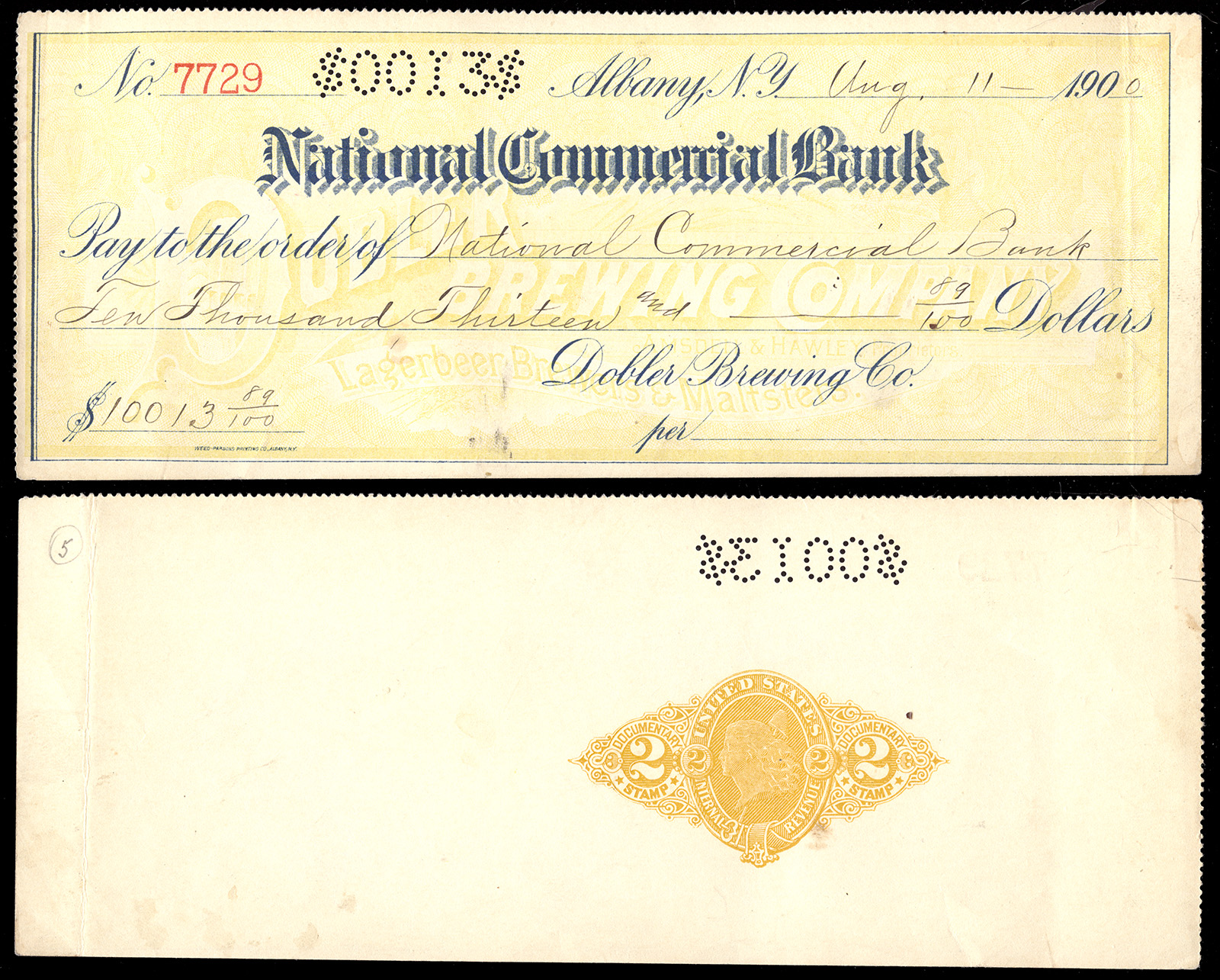
Scott #RN-X7a. The 2-cent Liberty imprinted revenue stamp of 1898, but printed on the reverse of the document. I don't have one in my collection, and had only seen them a few times over the years, typically close to or above the Scott value of $500.
After buyer's premium and shipping costs, it cost me a whopping 11% of Scott, an absolute bargain IMO. I would have thought that some enterprizing dealer would have snapped this up during the live session, as it is NOT a common piece at all.
Yes, it has a rather strong vertical crease at right, but that typically is not seen as a major detractor on RNs, as folds, cut cancels, spindle piercings, etc. are typical for these documents.
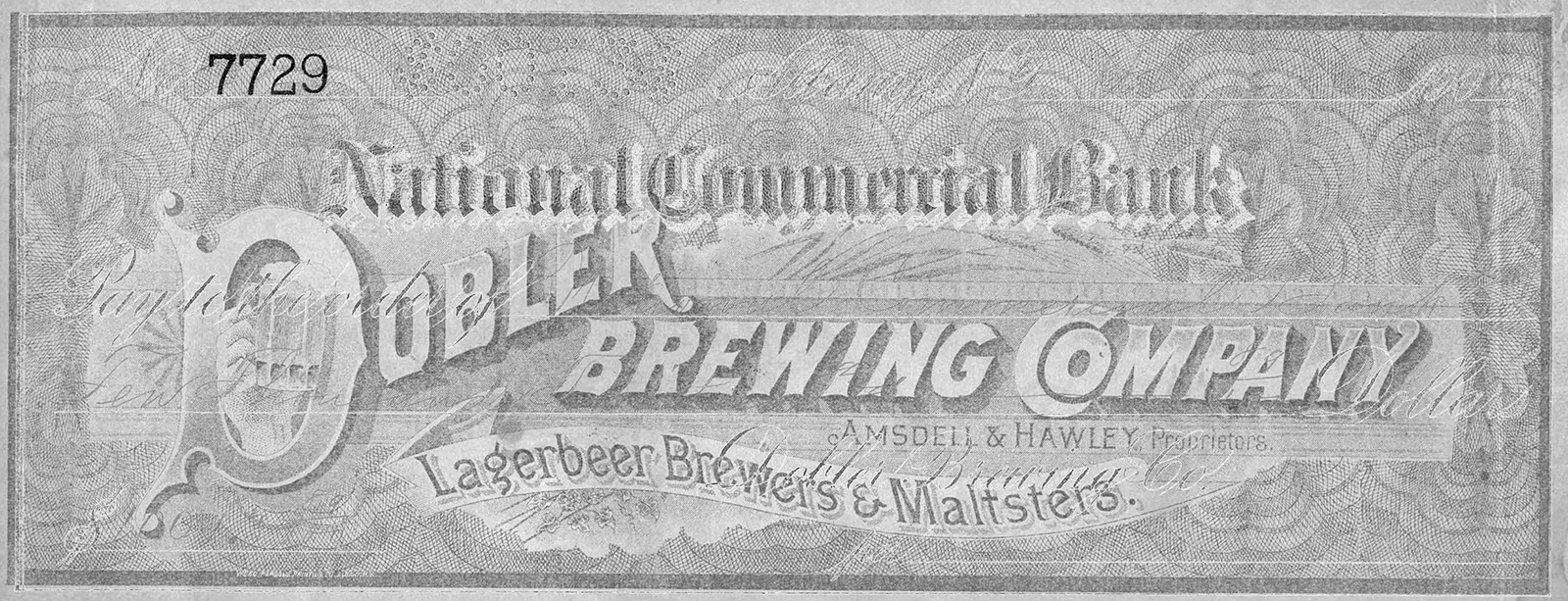
The printing of the revenue imprint on the reverse was not in error, but rather intentional, as the all-over background design printed in yellow would have made the orange revenue imprint all but invisible.
Interesting that the check protector (?) perfin at top seemingly did not have enough digits to accommodate the entire dollar amount, or the number was entered in error when configuring it.





 Posted 06/07/2025 6:33 pm





