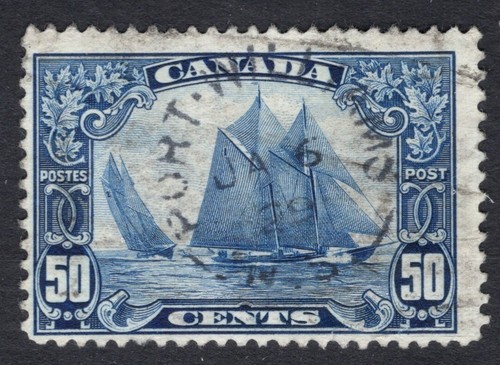
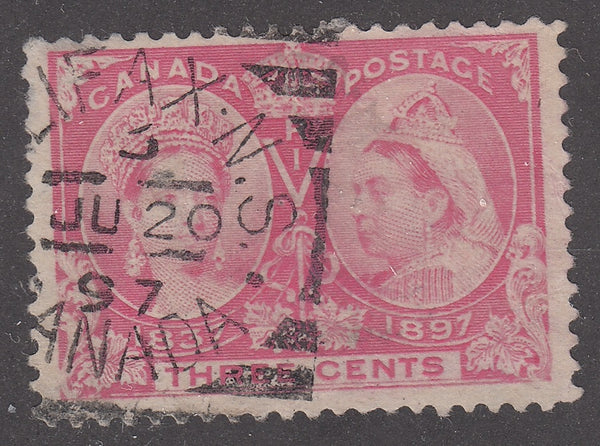
Quote:
...inverted date. 9 makes more sense and the post office was open on the 9th. Clerks often mixed up and down when inserting the slug into the hammer.
Quote:
this stamp may very well have been used on January 6, 1930, with the previous year date slug still in place.
When moving an EKU or EDU back to a 6 when a 9 can be inverted to a 6, needs supporting documentation. I collect postmark mistakes which includes inverted, number, numbers, date(**), month, entire dial, etc. Such errors are quite regularly seen as humans tend to make human errors as bk80 points out. This is a bit like finding a FDC were the "9" was inverted and suddenly you have a 3 day earlier 6th. Without proper documentation a "no opinion" certificate is warranted.
Additionally postmark devices are NOT updated as they should. Also human error. I have the earliest dated cover with a parcel post stamp.There is zero question reading the 4-bar cancel as 8-16-(19)12. A strong wonderful strike. The only problem with that is the stamp was not designed and approved for several more months, adding in plate making, printing and distribution and the date becomes even more odd.What happened? Simple the mail matter was mailed on August 16th, at a seasonal post office only open summer months. The clerk or clerk(s) overlooked this device when updating all of the cancellation devices for 1913, leaving 1912 in the one used.
I also have a few covers which arrived days before they were mailed. In those cases either the postmark date or receiving date was incorrect. The real nice ones involve registered mail.
Edit:
**I have a full pane with all selvage on piece of the 75 cent Parcel Post Q-11. Denver used a number of full sheets at that time on multiple mailings. You will find one as just a used pane as well as many parts of other panes which have been broken down from a full selvage pane. Sadly, I do not expect to live long enough to be able to rate the mailing as I cannot find the postage rates anywhere for the year "8161," 1918 I have, but not 8191, yet.





 Posted 09/17/2025 1:06 pm