The Dark Side of American Imperialism and the Panama Canal
Featured in this postcard image is the payroll train for the African-descended employees. During the construction days of the Panama Canal, from 1904 to 1914, the sight of payroll trains were a common sight. The payroll of the Panama Canal was divided into two categories: the Gold roll and the Silver roll.
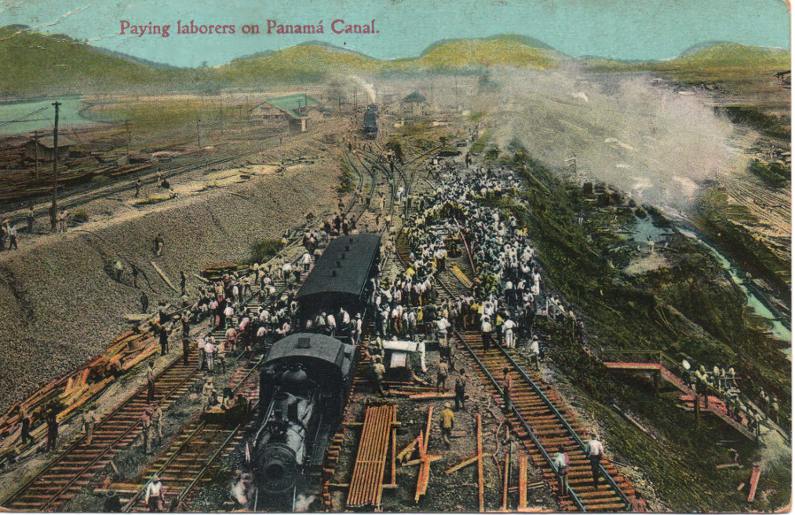
The Gold roll was the name for the payroll trains used to pay white Americans, mostly professionals and executives of the Isthmian Canal Commission (the name of the organization tasked with building the canal). The Gold roll trains were nicely decorated The Silver roll was for African-descended workers regardless of citizenship. Thus, by decree of the US Federal Government, ethnic segregation was enforced under the not-so-subtle metallic appellations.
Segregated housing was also provided for the African-descended population. One area, just outside of the big city of Colon was officially named Silver City, and as such was a symbol of the inequality of treatment among even US Citizens of differing ethnic backgrounds.
There were some highly valuable employees who were African American and US citizens. These were hired on the Gold roll. Being on this payroll plan brought with it many amenities such as free housing, paid trips to the US to alleviate the discomfort of an intensely tropical country (no air conditioning), free deliveries of ice to the home, better service (if they could get it) at the various stores and post offices in the Canal Zone.
In 1952 a wind of change came over the Canal Zone, long after the Gold and Silver rolls of construction days had past. Governor F.K. Newcomer of the Canal Zone, decided to poll the residents of Silver City (approximately 1280 households at the time). The residents were given six city names to choose from. They chose the name of Rainbow City (owing partially to the very colorful, if tiny, homes in this neighborhood).
Soon after the Carter-Torrijos treaties went into effect, Rainbow City was turned over to the Republic of Panama, and to this day is still the colorful township of Ciudad Arco Iris (Rainbow City in Spanish).
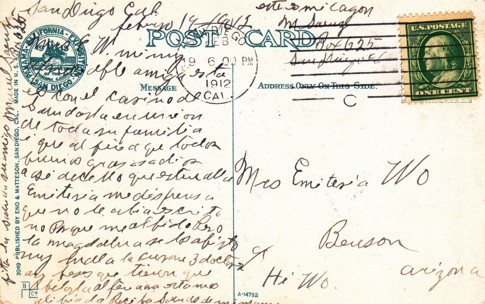
Here is your reward for reading my dense tale . . . the flip side.
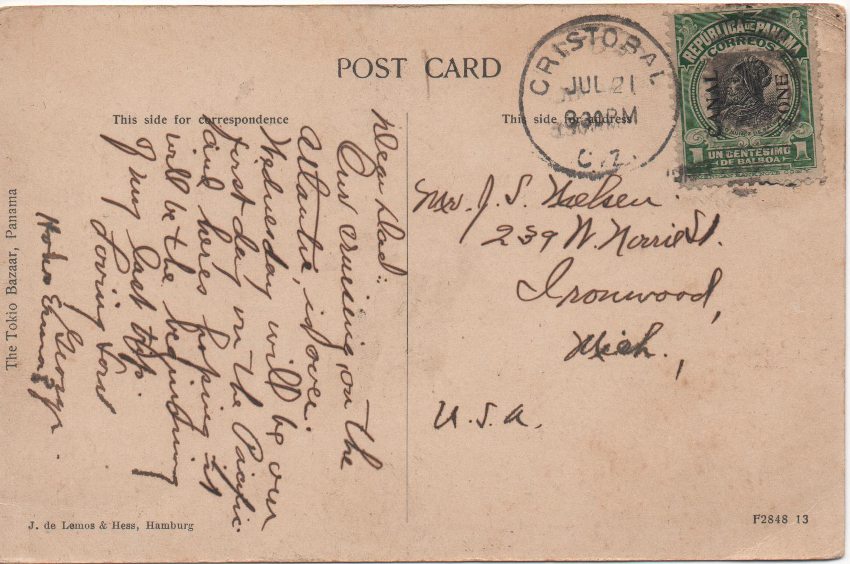
If you end up wanting to learn more about the struggles of African Americans from all countries that worked on the Panama Canal, this is an fascinating resource.
http://www.archives.gov/publication...a-canal.html





 Posted 08/19/2010 03:34 am