Puzzler, In Engineering parlance, a Mandrel is a steel
rolling pin with a very minute reducing diameter
down the shaft.
They are used on a Lathe or a milling machine to cut teeth
into a gear slug. It's the only way to hold a piece of material frimly that has a hole in it.
This "rolling pin" shape, or "Mandrel shape" occurred on
stamp design to join the upper and lower frame elements
to give an overall frame effect especially to portrait designs.
I am not surprised you have not heard of it, because US stamps
very rarely have employed this shape.
If you flip throught the US catalogue, it is immediately
apparent the US banknote just loved and stuck with
ovate frames around their portraits. It recurs constantly
up to 1947 and beyond.
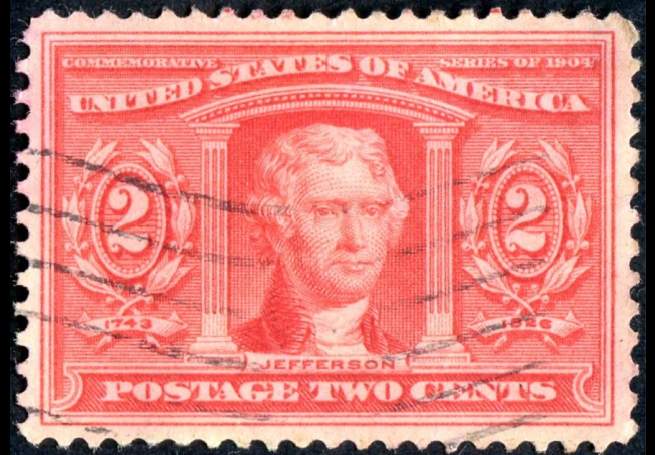
I have seen the fasces on 1 US example make a suitable
mandrel support.
Mandrel support with Jefferson:
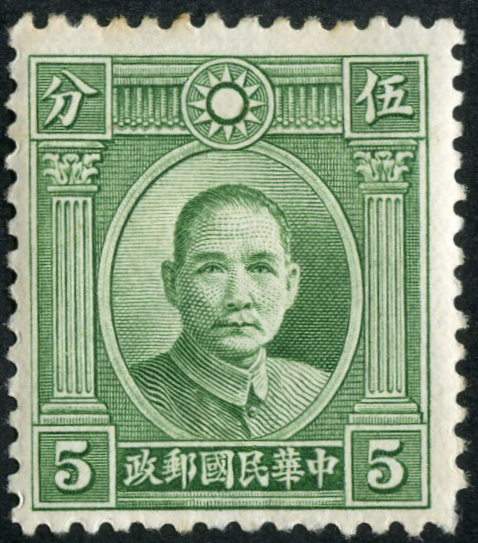
For a real and constant mandrel example one has to look at
the Dr. Sun Yat Sen series of China.
The Penny Black / red is not a true mandrel, but still a
form of support and suits the description.
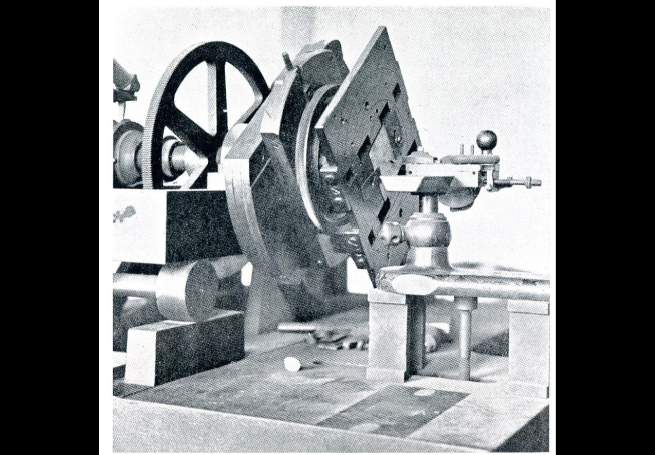
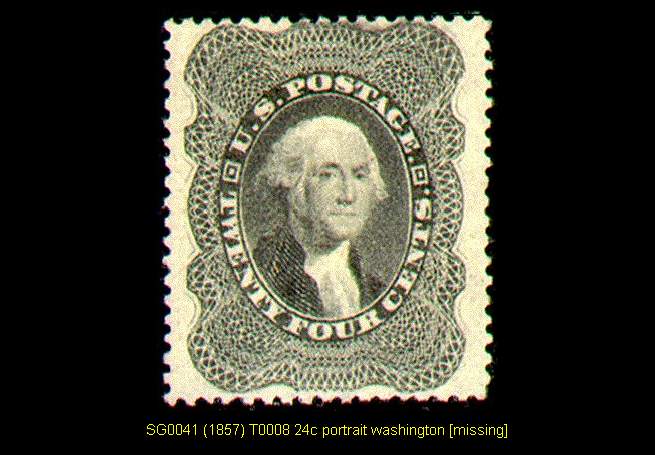
The background and mandrels of the Penny red were engraved
by a machine called a "Rose Engine" and I think it is
believed the Perkins process engraved the filigree direct
onto the transfer roller (how they did this is a real mystery)
This "rose engine" work, secured Perkins the Penny Black
contract due to the fact it was considered to be proof
against forgery.
Modern rose engine work is machined onto flat plate
and bent around the transfer roller.
This is how I understand it, hope this helps.





 Posted 09/12/2010 10:02 pm