Quote:
Tape contains glue and glue contains the microorganisms that contribute to foxing.
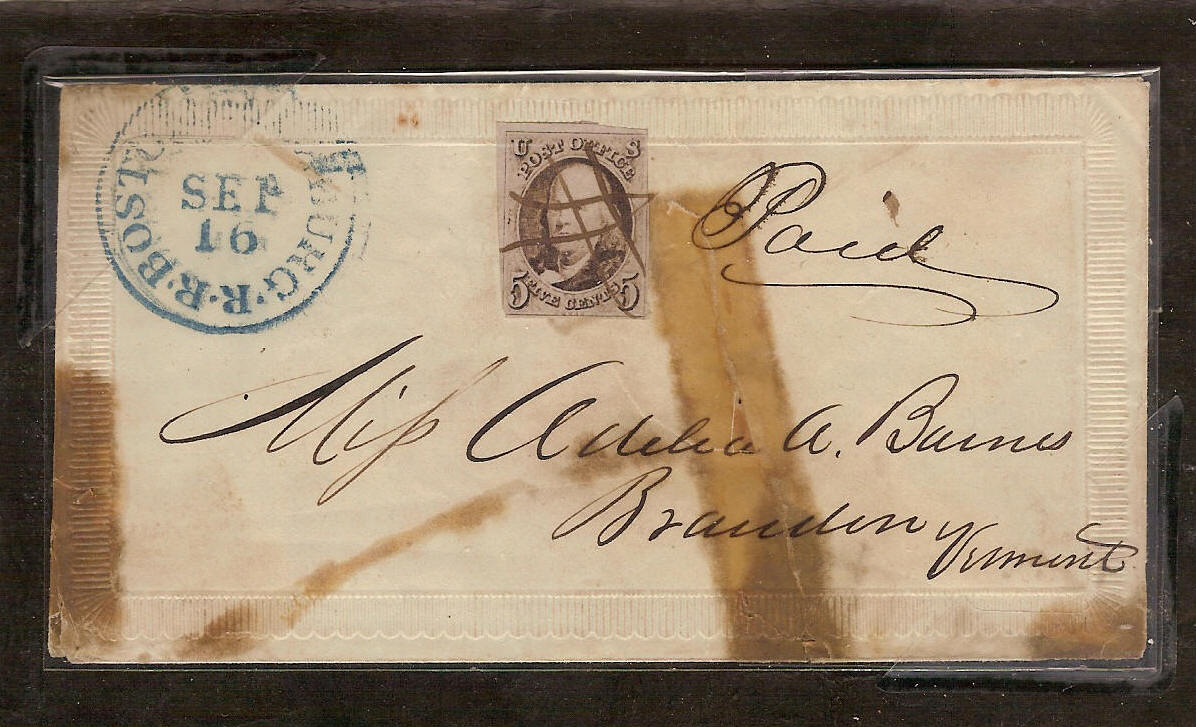
Unfortunately that is only true some of the time. Would that that were the whole story. To really identify the source of the problem we would need to know a lot more than you have told us about the nature of the tape, its adhesive, and the stains. Treating it all as "foxing" presupposes a particular chemistry which may or may not be operant here. Acting on the wrong diagnosis and applying the wrong "cure" for the problem could make the problem worse or do nothing at all. What have you tried and how did it do?
What can you tell us about the tape:
How long ago was the tape applied? Adhesives of the mid-nineteenth century were worlds apart from adhesives of the early to middle 20th century.
Was the adhesive on the tape rubber based?
Did it require additional moisture to activate it? Dennison Co. produced paper tapes in the late nineteenth century that were widely used by philatelists. These had the kind of gum (gum-Arabic?) adhesive to which you referred. However, these tapes did not leave the kind of stains we are seeing with this cover.
Maybe a combination of cloth tape and mucilage (fish glue) was involved?
If the culprit was an early cellophane tape, things can get really sticky (pardon the pun).
So can you fill us in and narrow the field a bit?





 Posted 02/06/2016 09:24 am






 All this technical jargon is making my brain itch.

