From Wikipedia:
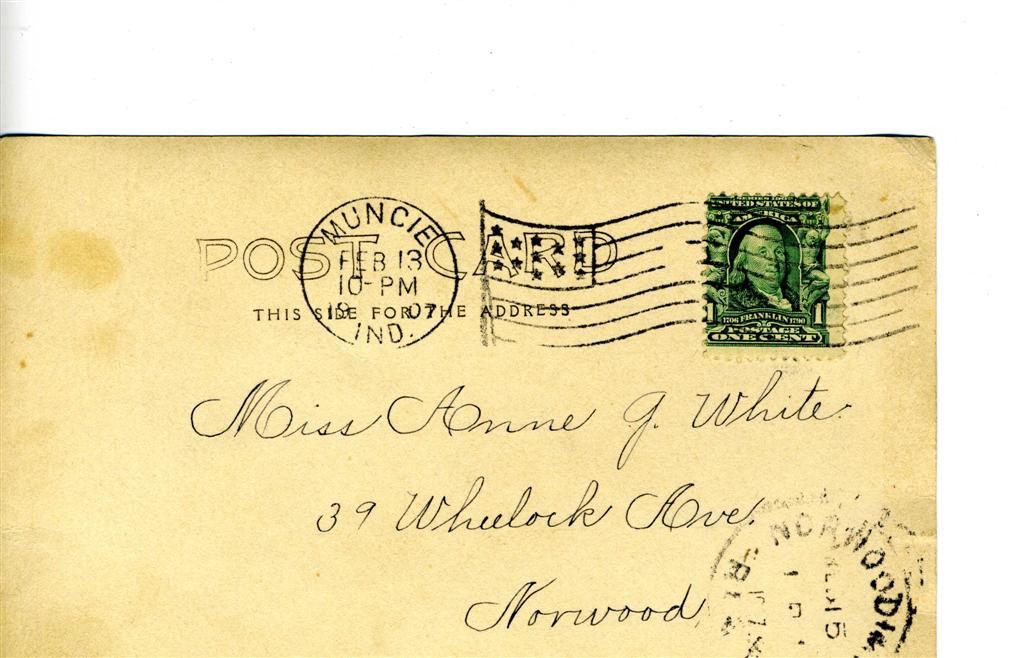
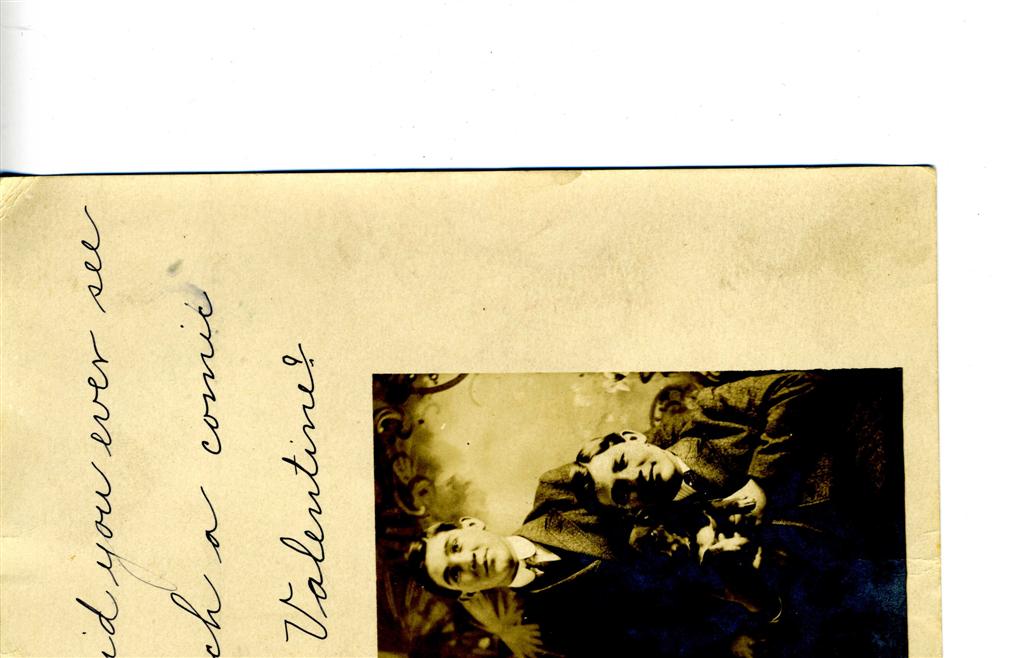
http://en.wikipedia.org/wiki/Real_photo_postcardIn 1903 Kodak introduced the No. 3A Folding Pocket Kodak. The camera, designed for postcard-size film, allowed the general public to take photographs and have them printed on postcard backs. They are usually the same size as standard vintage postcards (3-1/2" x 5-1/2"). Also known by the acronym "RPPC".
Kodak's 3A camera pioneered in its use of postcard-size film but was not the only one to make Real Photo postcards. Many other cameras were used, some of which used old-fashioned glass plates that required cropping the image to fit the postcard format.
According to this site, Kodak "created a service called "Real Photo postcards," enabling people to make a postcard from any picture they took" in 1907.
While Kodak was certainly the major promoter of photo postcard production, they didn't seem to originate the term "Real Photo," and used it less frequently than photographers and others in the marketplace from 1903 to ca. 1930. But it has become the popular term nowadays to distinguish photographic postcards from commercially printed, mass-produced postcards of the same era.
Old House Journal states "Beginning in 1902 Kodak offered a preprinted card back that allowed postcards to be made directly from negatives." [1] Regardless of when the year, this "technology" allowed photographers to travel from town to town and document life in the places they visited. Old House Journal continues: "Local entrepreneurs hired them to record area events and the homes of prominent citizens. These postcards documented important buildings and sites, as well as parades, fires, and floods. Realtors used them to sell new housing by writing descriptions and prices on the back. Real Photo postcards became expressions of pride in home and community, and were also sold as souvenirs in local drug stores and stationery shops." [1]
Real Photo postcards may or may not have a white border, or a divided back, or other features of postcards, depending on the paper the photographer used. Many current Real Photo postcards are reproductions of earlier historic photos. Want to know if it is authentic or a reproduction: look at it under a magnifying glass. If it is authentic "it will show smooth transitions from one tone to another." [2] According to the 2Buds, the way to tell is, while looking under the magnifying glass notice that "Postcards that are NOT Real Photos are made up of many small dots. If you look at a Real Photo postcard, the image is solid (no dots)." [3]
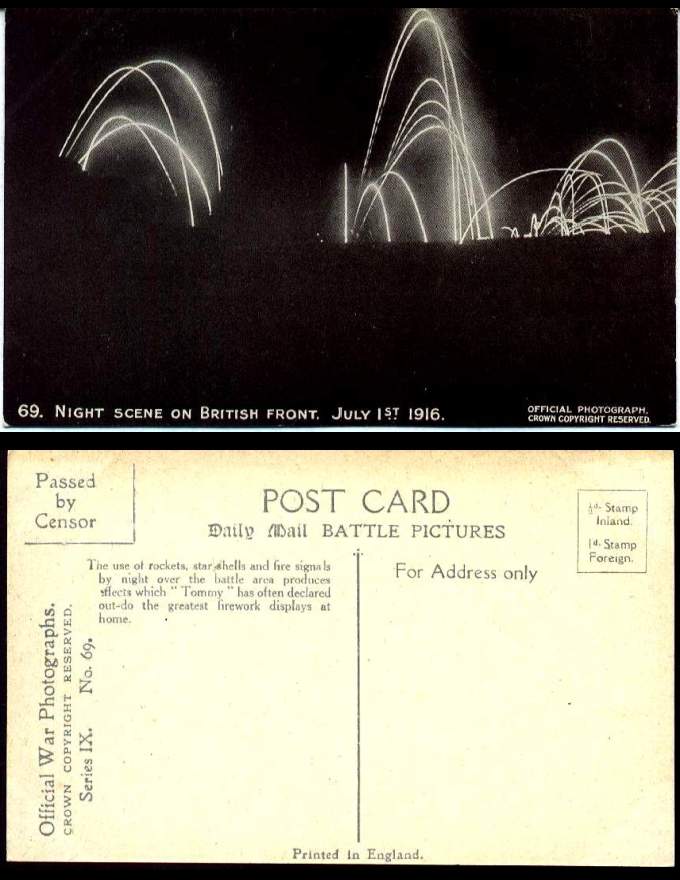
First time I really read upon the subject myself, but I knew Kodak was involved. I see these postcards all the time at flea markets. The British were still making them at least to the 1960's. There's also composite RPPC where they spliced together a few photos into one card.
Will





 Posted 08/21/2010 3:43 pm





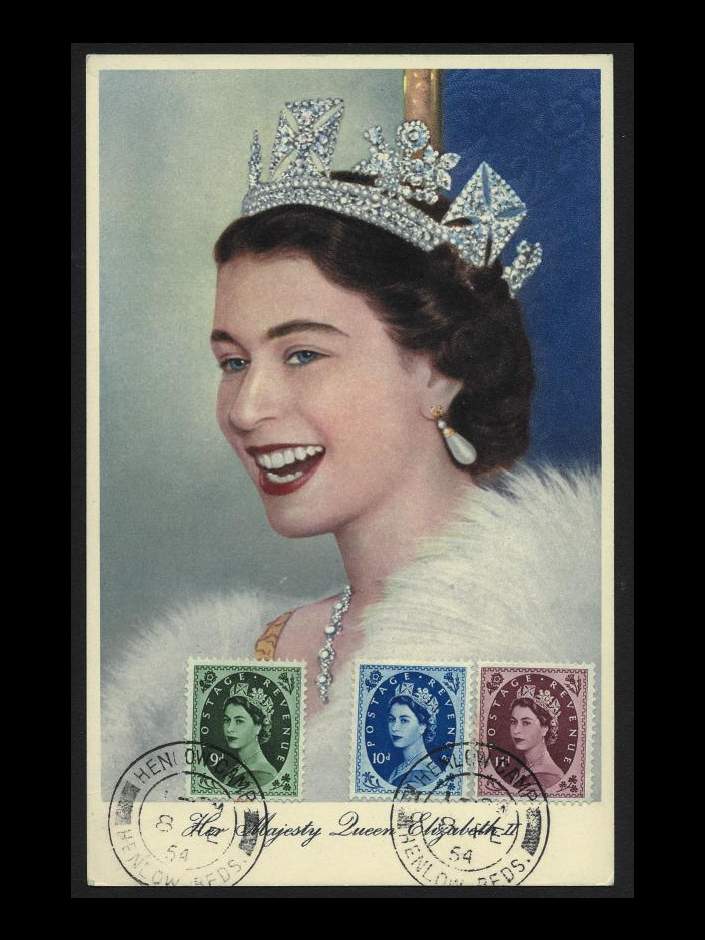

 Rod, that is a great shot of HRH, never seen her like that!
