| Author |
 Replies: 15 / Views: 1,794 Replies: 15 / Views: 1,794 |
|
|
Pillar Of The Community
United States
770 Posts |
|
|
|
|
Pillar Of The Community
United States
770 Posts |
|
|
Valued Member
United States
79 Posts |
|
|
Bedrock Of The Community
United States
10864 Posts |
|
|
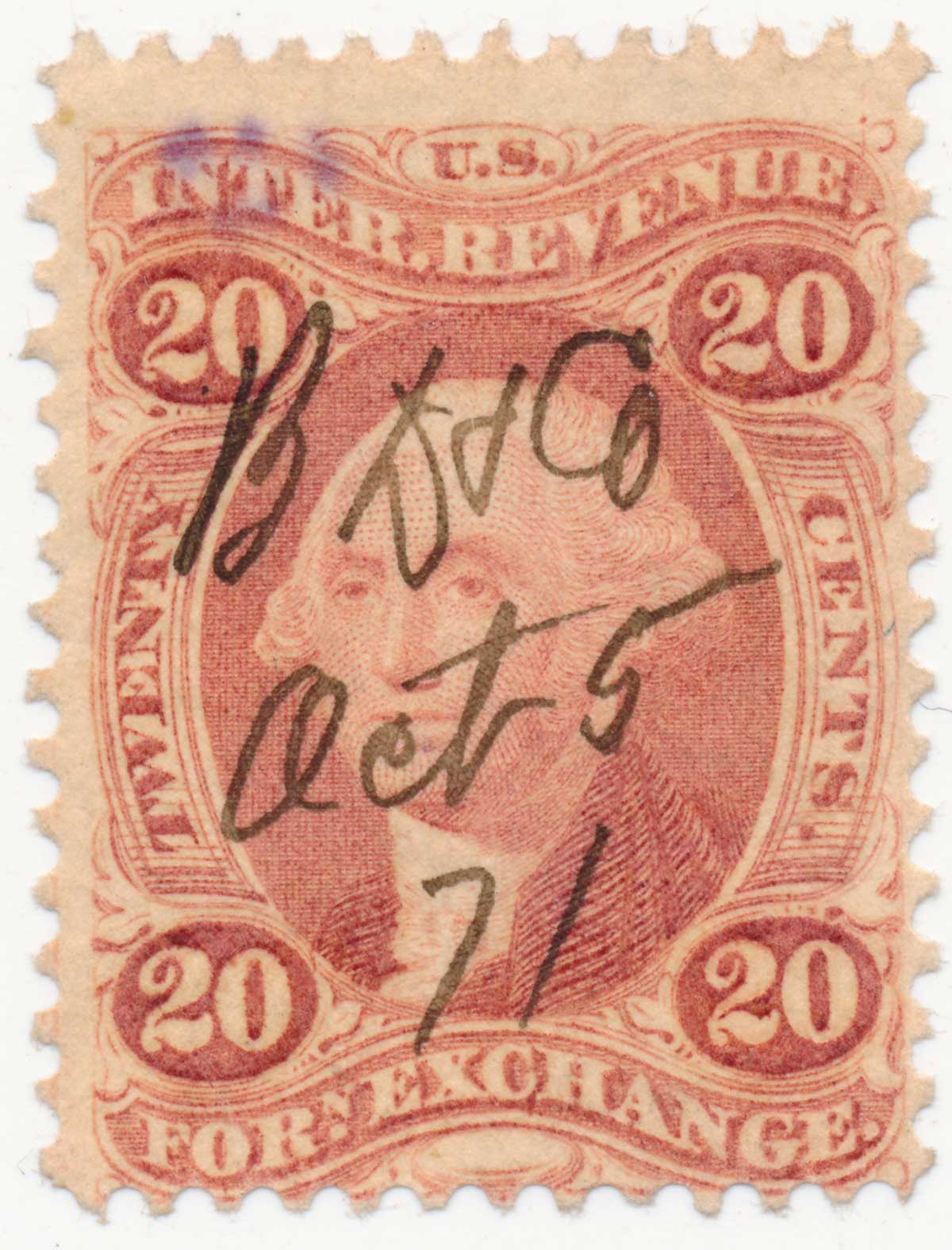
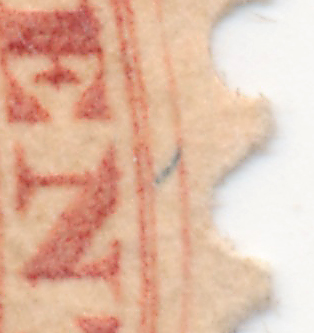
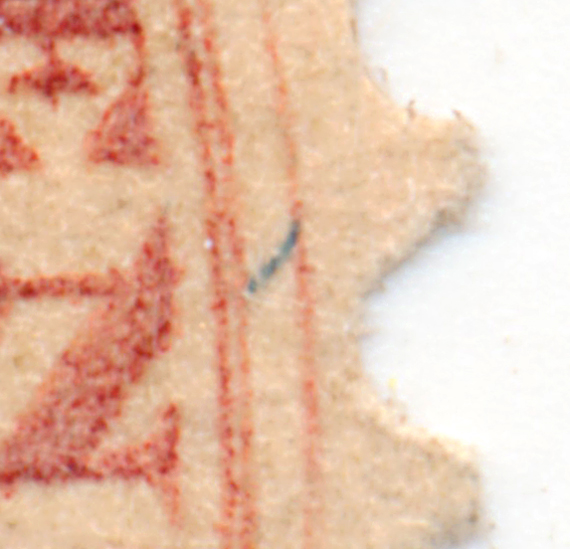
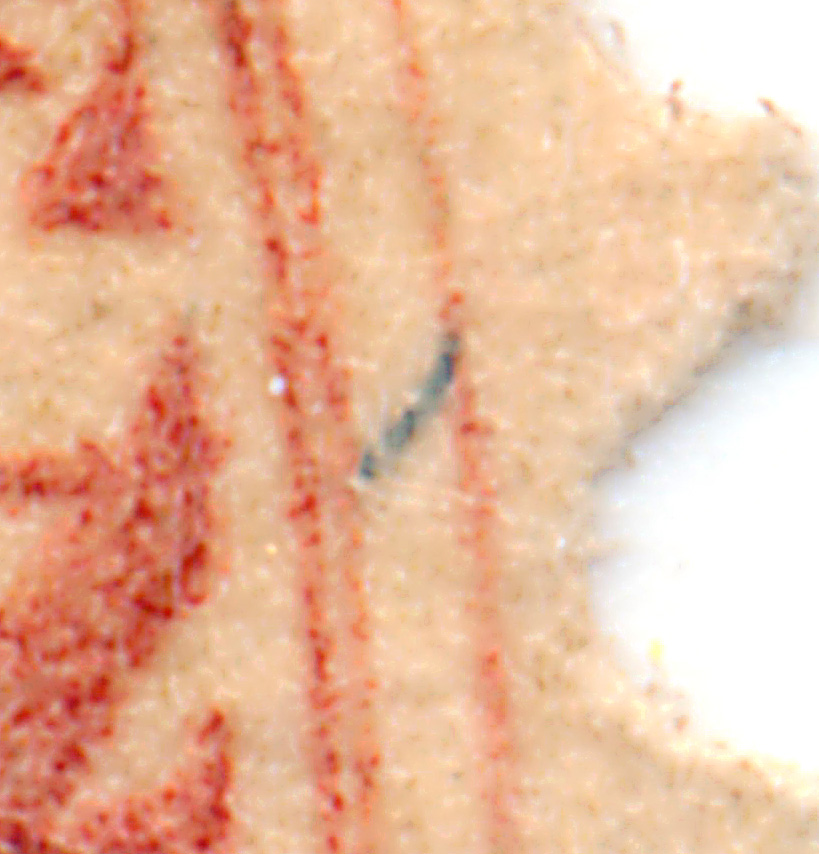
Red threads don't count, first issue silk paper threads are blue. Hard to tell about that one thread from this scan. |
Send note to Staff 
|
|
|
Pillar Of The Community
United States
770 Posts |
|
|
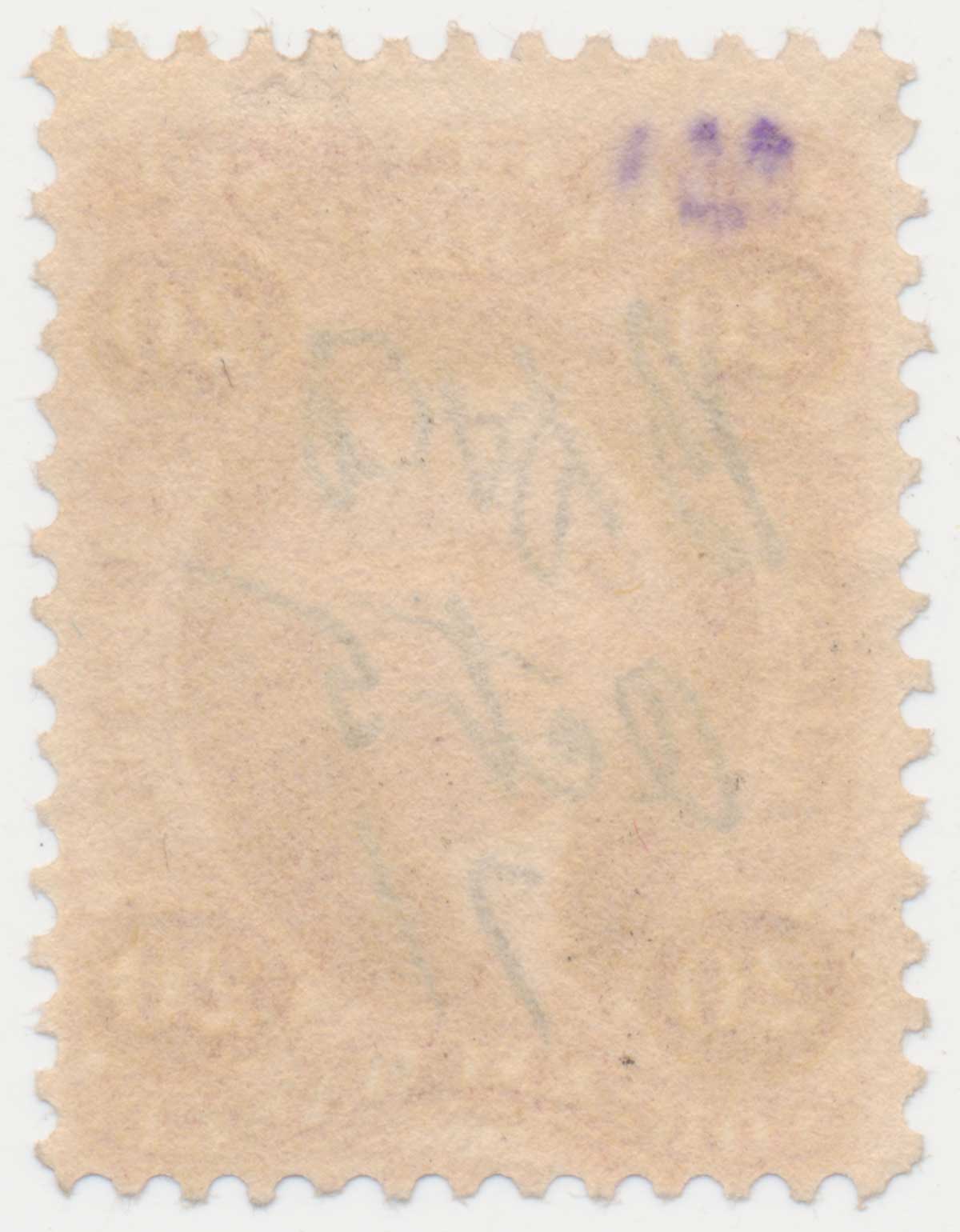
Lower right quadrant on the back. Doesn't really matter I guess but interesting just the same. |
|
Send note to Staff
|
|
|
Bedrock Of The Community
United States
10864 Posts |
|
|
Pillar Of The Community
United States
770 Posts |
|
|
Valued Member
United States
271 Posts |
|
|
It looks like that thread shows through to the back as well. Hope it pans out. |
|
Send note to Staff
|
|
|
Bedrock Of The Community
United States
10864 Posts |
|
|
Pity that the old owners handstamp has bled through the paper. It is the correct time period, and it does appear to be the right type of paper. The problem is that the blue fiber itself is so small, but it does appear to be embedded in the paper. The size makes it a tough call from a scan. |
|
Send note to Staff
|
|
|
Pillar Of The Community
United States
770 Posts |
|
|
It's an old price of 1.00. It is actually improved a bit from when I pulled it from the collection. I soaked off several old hinges in warm water which faded the purple ink. I may be able to remove it with a judicial application of solvent on a Q-tip. |
|
Send note to Staff
|
|
|
Pillar Of The Community
United States
770 Posts |
|
|
Bart, I know some of the listed silks are tougher than others, and the values in Scott sometimes fail to give a good indication of rarity. Do you know where the R41d falls?
|
|
Send note to Staff
|
|
|
Bedrock Of The Community
United States
10864 Posts |
|
|
Not specifically, although my experience is that silk papers tend to either be pretty common or pretty tough with few in the middle ground. I think that there is relatively little interest in silk papers when compared to cancels or documents or plate varieties.
Collector interest fluctuates; for example in the Revenue Unit Columns of the APS book there is almost no mention of silk papers but much was written about stitch watermarks, which are all but forgotten today. |
|
Send note to Staff
|
|
|
Pillar Of The Community
United States
6469 Posts |
|
|
There are a few of us wingnuts that actively pursue silk papers, but we are in the minority. For them to bring premiums at major auction, the condition needs to be exceptional, otherwise it's almost always below Scott value. Some are considerably more scarce than the Scott values imply, and others are much more common.
R41d was not even listed in Scott until the 2012 Scott Specialized catalog, where it was unpriced. It was first priced in the 2014 edition at $350 and raised to $375 in 2016.
It is definitely one of the tougher silks.
|
|
Send note to Staff
|
|
| Edited by revenuecollector - 06/24/2016 5:10 pm |
|
|
Pillar Of The Community
United States
770 Posts |
|
|
Thanks Dan- It is interesting on seeing how many silks were not recognized in the Boston book. Do you think that was because of collector non-interest or because particular varieties not discovered yet? Also very interesting is the breakdown of color shades and paper varieties in the Boston book. For instance, thick paper. I've found several R85c's that have the thickest paper I've encountered on first issue revs. Threads on this forum, as well as your website have really piqued my interest, and I'm creating pages for as many first-third varieties as I can find listed. I know it's not many collectors' cup of tea, but since most dealers don't pay attention to these varieties, it makes for an interesting treasure hunt. I picked my R71d out of a circuit for $3 last summer. |
|
Send note to Staff
|
|
|
Bedrock Of The Community
United States
10864 Posts |
|
|
Remember that by 1870 a number of first issue titles were no longer being printed, so there was no chance of them ever being on silk paper. And various tax rates had changed or been eliminated so there was less need for some values as well, so they were printed less often. And the printers themselves couldn't have cared less about the paper, they simply used the nearest stacks, which came from multiple suppliers.
I have an R85c on very thick paper as well. I was glad to find it but I consider it a very minor variety since quality control was just a dream at the time. |
|
Send note to Staff
|
|
|
Pillar Of The Community
United States
868 Posts |
|
|
Why do we not see more discussion about the early thin paper as contrasted to the late thick paper. In light of a certified block of four, three of which have silk fibers and one does not (and if separated, it would not be recognized as a silk paper!), is it not plausible that many of the thick papers we have in our collections came from the same supply of paper, indeed from a sheet of stamps only some of which have silk fibers? I rather think that the thin - thick paper differences are of greater philatelic importance!
Ron Lesher |
|
Send note to Staff
|
|
| |
Replies: 15 / Views: 1,794 |
|




 Posted 06/23/2016 11:37 am