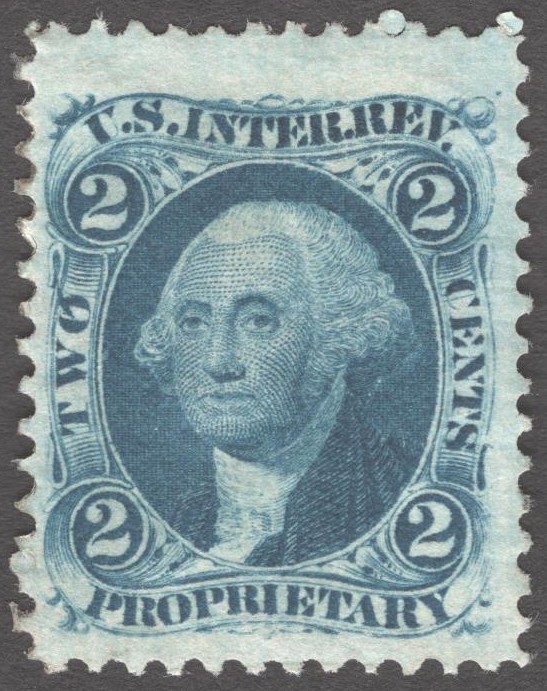
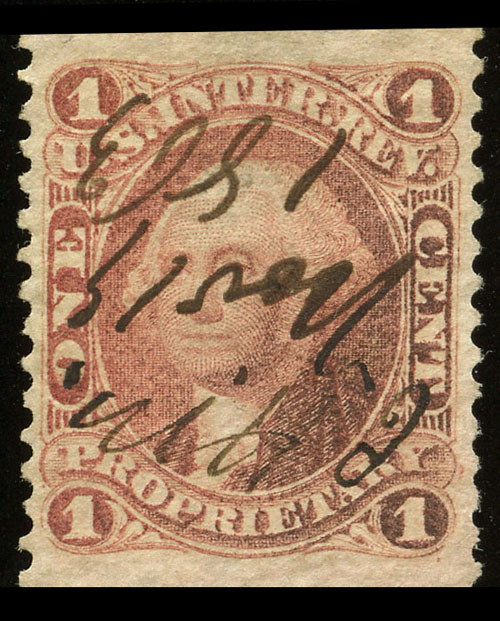
In Kelleher's mail sale auction 5015 there is an interesting lot.
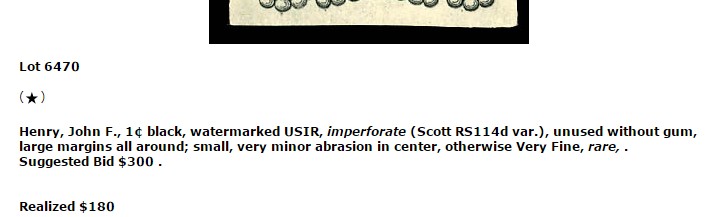
http://db.kelleherauctions.com/php/...=1&sale=5015Lot 6470 has a previously unknown imperforate variety of a medicine stamp. It is described as follows:
Henry, John F., 1¢ black, watermarked USIR, imperforate (Scott RS114d var.), unused without gum, large margins all around; small, very minor abrasion in center, otherwise Very Fine, rare, .
Suggested Bid $300 .
Current Bid $150
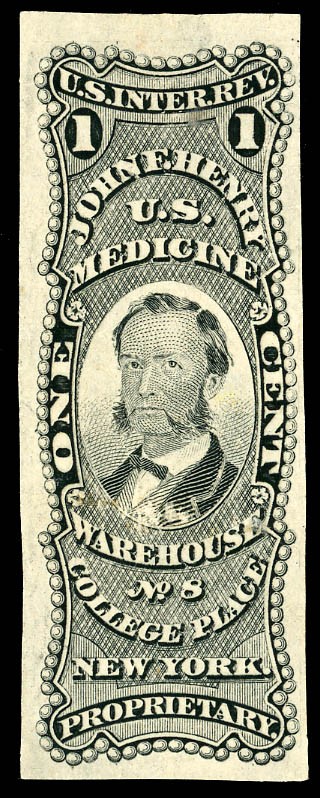
This stamp has a current Scott catalog value of $1.75. This means that the stamp is
extremely common, despite being 150+ years old. As one might imagine, there are surely many large-margined examples to be found. For example, this stamp is from Eric's website:
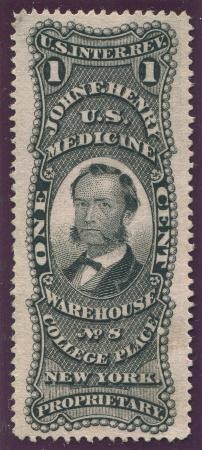
So, what is the likelihood that the unique discovery example of this rare imperforate variety surfaces in this venue (without a certificate of course) and is entirely genuine, versus someone taking a few minutes with some scissors and a jumbo-margined copy of a very common stamp?
And do you see tiny perforation residual indents at the bottom left and right margins like I do?
Even worse is the stamp in lot 6466, described as:
Proprietary, 1914, 4-3/8¢ black (Scott RB59), o.g., heavy hinge remnant; light gum bends, small thin spots and pulled perforation, otherwise Fine. Scott $20 .
Suggested Bid $10
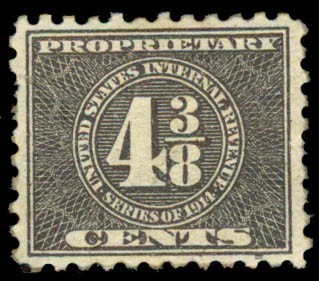
I'm all for someone trying to make a buck, but when a top-tier auction house offers obviously fake stamps and common but faulty stamps that any collector would be embarrassed to save even as a duplicate, I mean, c'mon...
Jim





 Posted 04/22/2017 12:18 pm