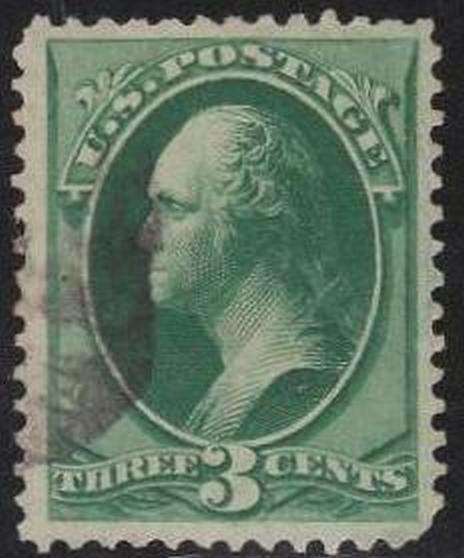
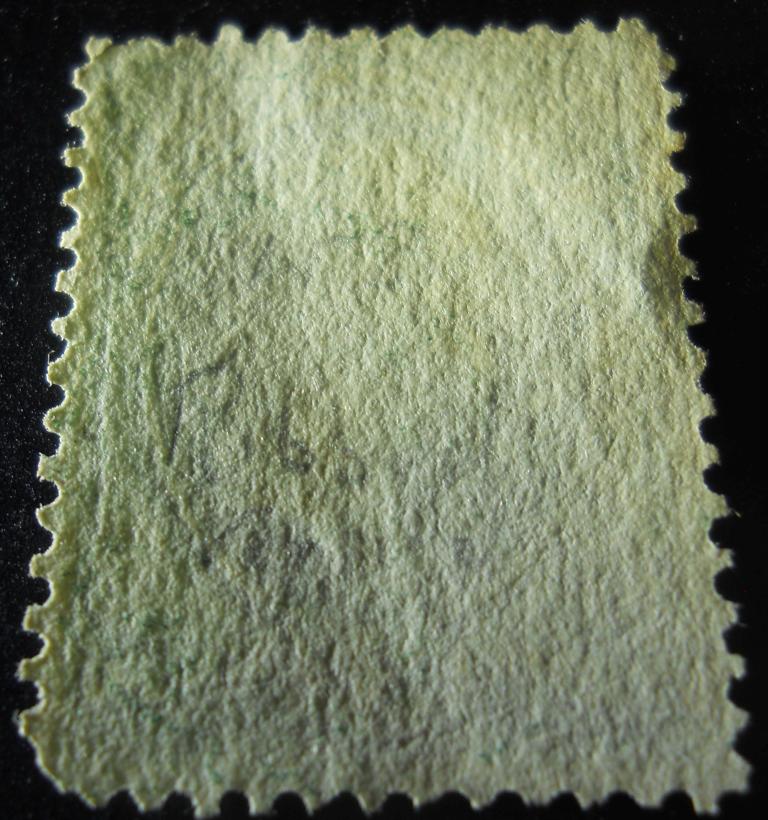
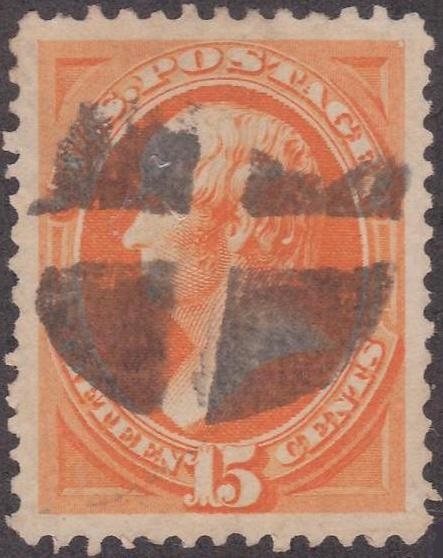
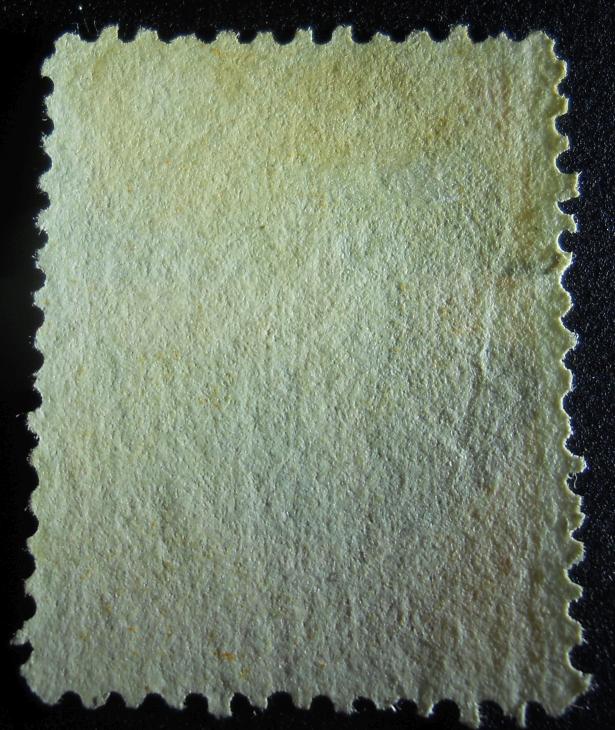
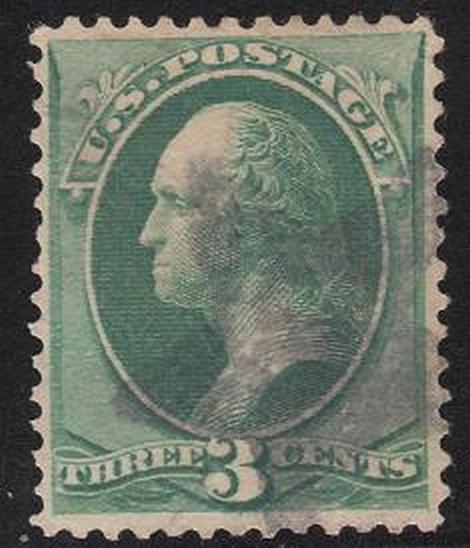
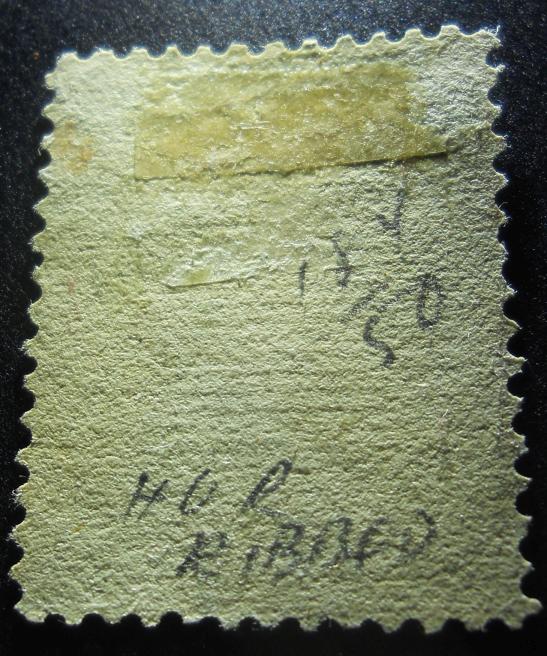
The first example is vertical ribbed paper and the third example looks like it has horizontal ribbing if it is hard paper, but could be soft paper. Ribbed soft paper varieties exist, but may be related to paper or stamp production problems. Horizontal ribbing is generally weaker than vertical ribbing except for the ribbed paper Official specimen stamps. Soaking to remove the hinge remnant is needed to facilitate identification.
thank you AJ, littleriverphil and cfrphoto for your helpful answers. Nice to have a ribbed paper bank note stamp in my album.
AJ: yes, the information by Hahn about the 1861 very thin paper is useful. As you gave now here your measurements of your 1851 thin papers and I didn't find any research of 1861 thin paper measurements: perhaps you find the time to look at your "very thin" papers of 1861 (1867) and give some measurement examples? I know you don't use a catalogue, so to mention this, in the Scott the very thin paper of 1861 (1867) has not such a big premium, so it could be an interesting area of collection with the chance of getting some examples, as they seem to be not so rare as the 1851 thin papers. I will also look at my own 1861 stamps, but I guess you have more of them and - for sure - more experience about the paper of that issue.
(I read your information about a possible new paper variety of 1867 and am looking forward to reading the research about it, but for now I would be happy to get the measurements of a 1861 issue thin paper to fill that gap in this very interesting "paper thickness thread here)
Thickness of machinemade paper fluctuate very little. It is not that easy to make thin paper, one has to significantly change beating time to make the fibers shorter. Crane & Co. tried making thinner stamp paper in 1858 without changing beating times, and the paper turned out with holes in it.
As no one has previously come forward with thickness measurements of the mid-1860s papers, I have nothing to comment on. What I have found is that the machinemade papers of 1861 and 1867 have differing qualities of softness that relates to the kind of beaters used, as well as modest changes to beating time. That is why I say, the study of mid-1860s papers begins with checking the softness of the paper.
You will find the 1867 issues are moderately soft, while the 1861 issues are moderately hard by comparison.
Disclaimer: While a tremendous amount of effort goes into ensuring the accuracy of the information contained in this site, Stamp Community assumes no liability for errors. Copyright 2005 - 2026 Stamp Community Family - All rights reserved worldwide. Use of any images or content on this website without prior written permission of Stamp Community or the original lender is strictly prohibited. Privacy Policy / Terms of UseAdvertise Here





 Posted 01/08/2018 1:13 pm