They are not official stamps, if that were the case then every major post office would have licence to print their own, and there would be no need to use the government printing office.
These issues are really counter printed labels, not stamps, though the word "stamps" has been the common word to define them amongst those who have been lured into the hype.
As long as there is a feeding frenzy, there will be buyers, but at the end, many fingers will have been burnt in process of owning these "stamps".
The counter printing machine at the King William Street premises is usually used for local philatelic activities such as souvenir stamps and labels, the emergency "stamps" were made at this premise.
Even though some philatelists and "investors" alike would like to hang onto the belief they are "stamps", they are not, unless made from an official government approved printing firm.
The Adelaide G.P.O. is not in the business of making stamps, so therefore they can be called counter printed labels.
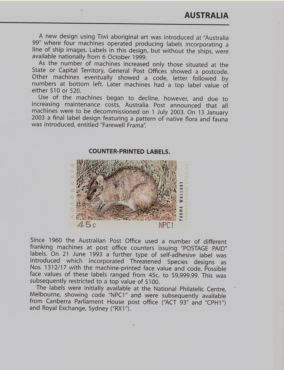
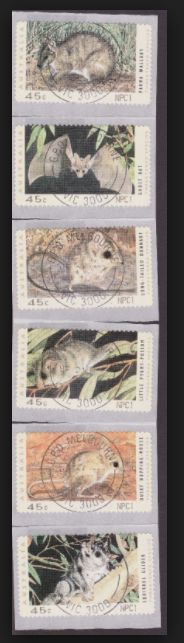
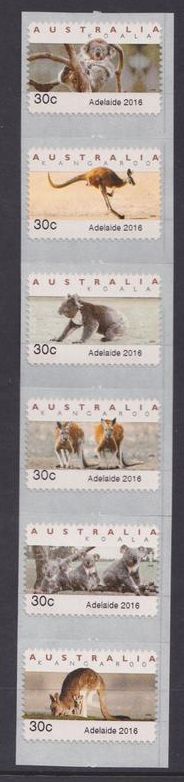
The CPS machine that originally made the threatened species self-adhesive labels with the face value of 45 cents, also made the 30 cent emergency "stamp", the emergency stamp looks strikingly like the 45 cent peel and sticks.
Why would the 45 cent peel and stick be called a label, and the 30 cent peel and stick be called a stamp, when the printing process of both is exactly the same from the same type of machine that created them.
Unless they are officially recognised as stamps, these emergency issues can be called "labels" or even "Cinderellas", but definitely not a "stamp".





 Posted 12/29/2017 07:51 am


