Quote:
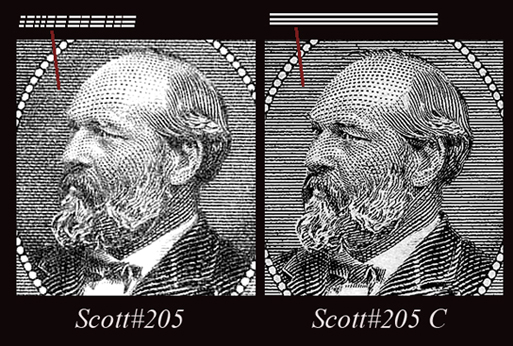
I concluded that definitely no one knows exactly what to determine the difference between 205 ... 205C .....?
stallzer is correct and you should re-read the link he gives
as carefully as possible. Just because one person did not pay attention there does not mean what was stated there is wrong.
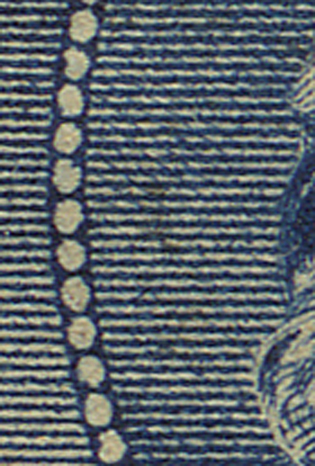
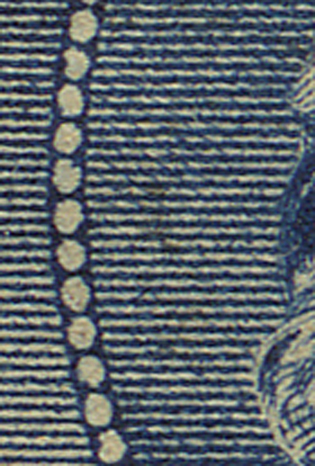
The "experiment" gives false results. To start, 205C is printed from the same plate as 205, after 205 was printed. Then why should 205C have missing diagonal shading lines when it was very carefully prepared by cleaning and shows more detail elsewhere than 99% of 205 stamps? Illogical.
What you are seeing is either a scanner or camera artifact. Do you actually have the second 205 shown in hand? A magnifying glass will show there are NO diagonal shading lines behind the portrait. 205 and 205C both do not have these lines. It is a pattern from the uneven application of the ink on the stamp that fools the camera at the size scanned.
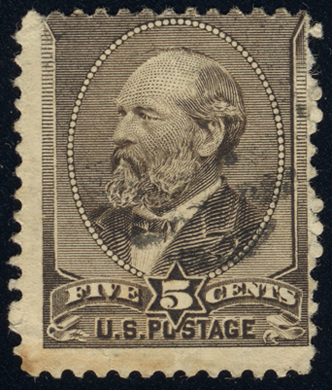
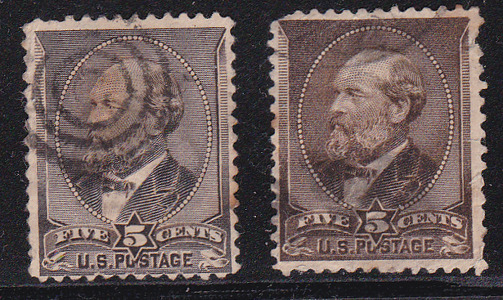
Here are two #205.
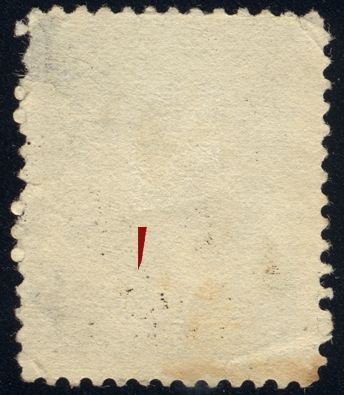
Not the very white paper of Special Printings.
Not the very crisp clear print of Special Printings, either. If you really understood the linked post,
then these are the 2 major keys to identify Special Printings. Use the PF link in the linked post to compare the shading lines in the dark areas in the back (right side) of the head between the examples of 205 and 205C. 205C shows more distinct shading lines.
The first enlarged:
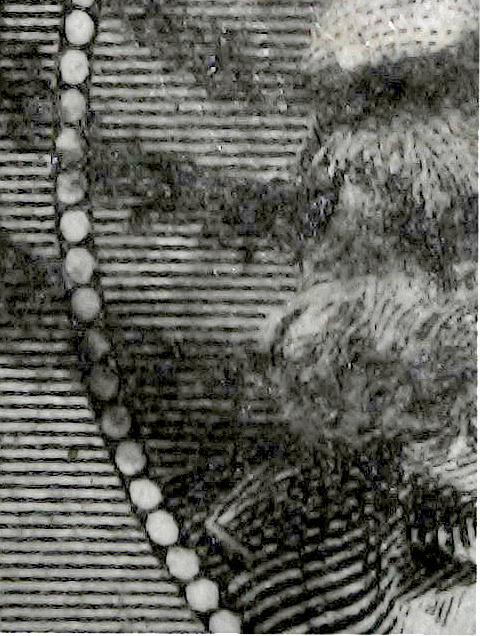
No diagonal shading lines here.
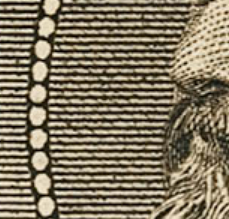
The second enlarged:
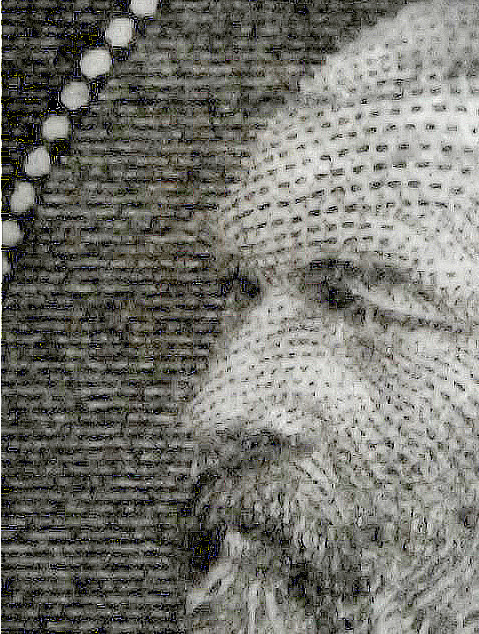
No diagonal lines of shading either. But rougher printing with uneven horizontal lines and tiny flecks of ink between those lines. No pattern either here, looks very random.
Your sample size was, what, dozens of stamps? Hundreds? Examination with a glass will show none have diagonal lines of shading as you show. And your comparison with a known 205C was from where? A scan or photo doesn't qualify, only the real thing does. Do real science, not bad science.





 Posted 03/26/2018 1:13 pm