| Author |
 Replies: 65 / Views: 6,565 Replies: 65 / Views: 6,565 |
|
|
|
Pillar Of The Community
Canada
1416 Posts |
|
|
Mike,
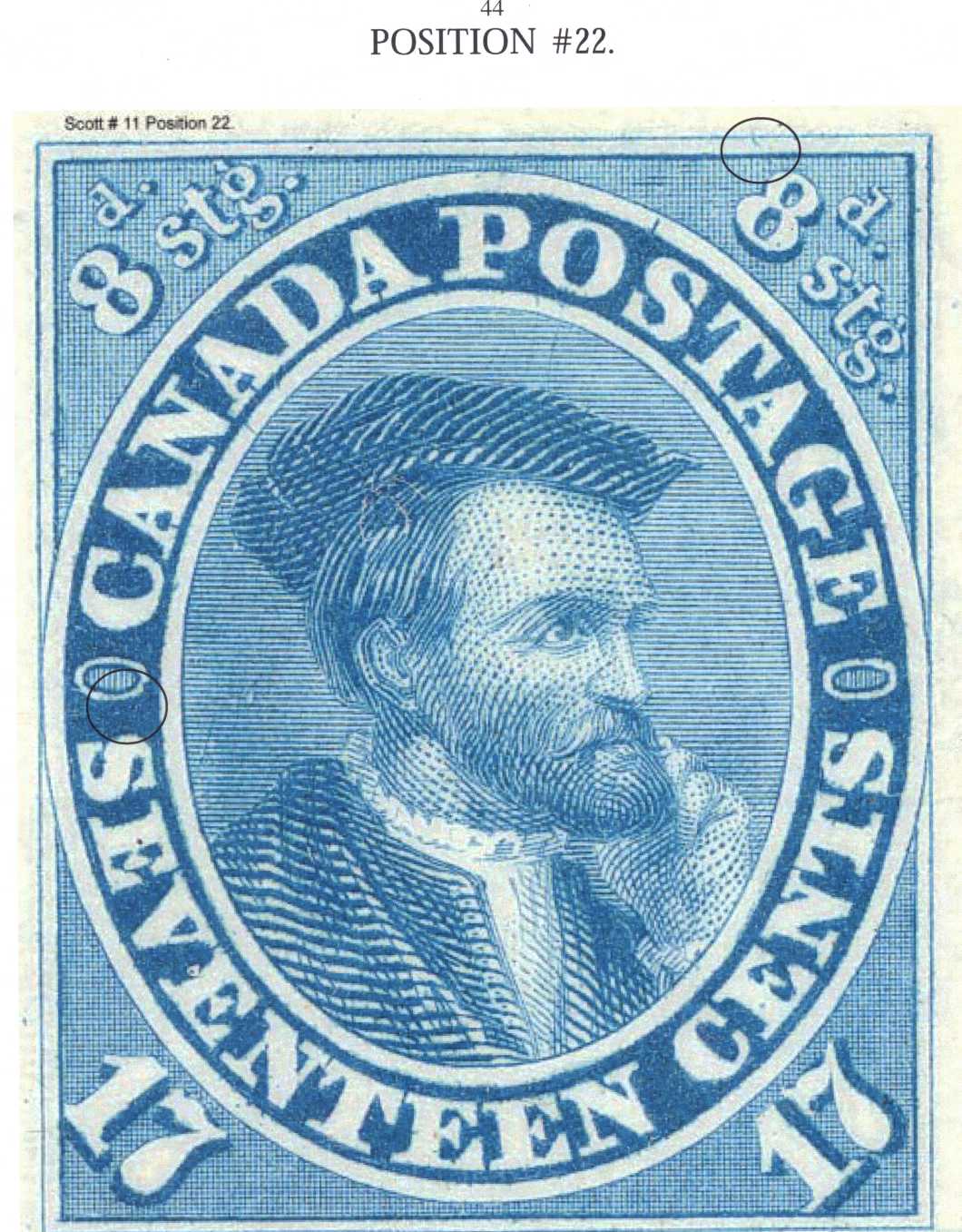
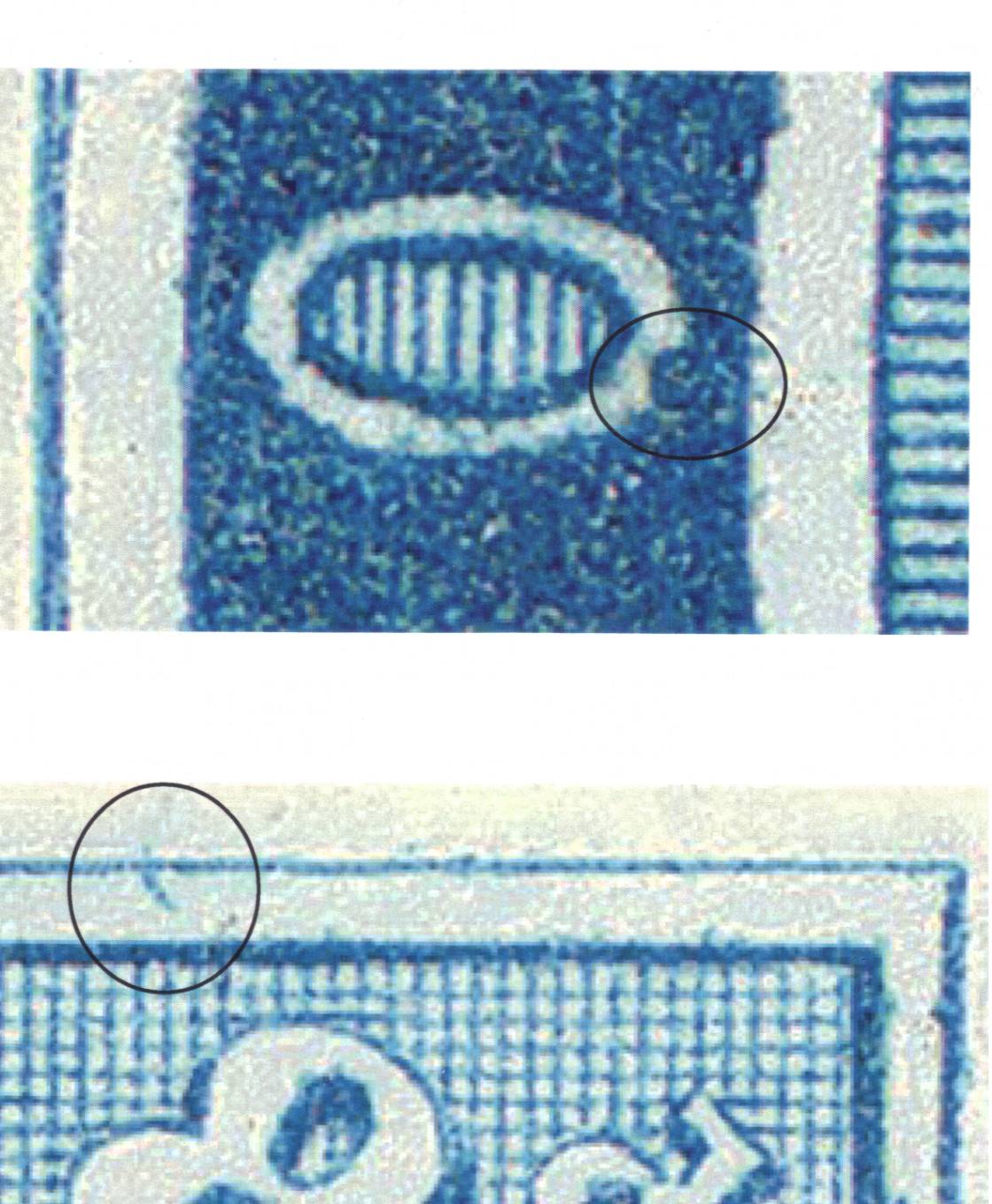
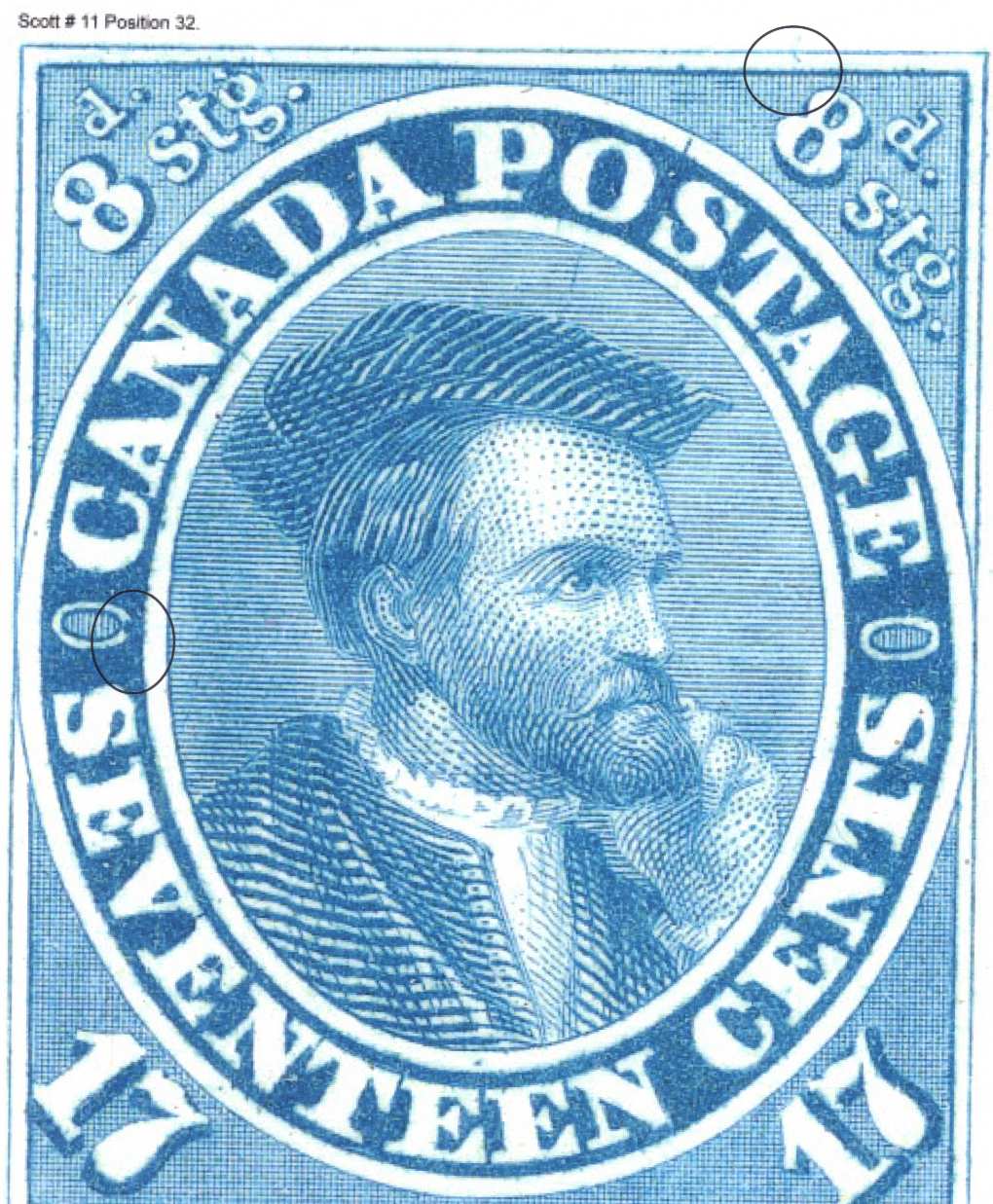
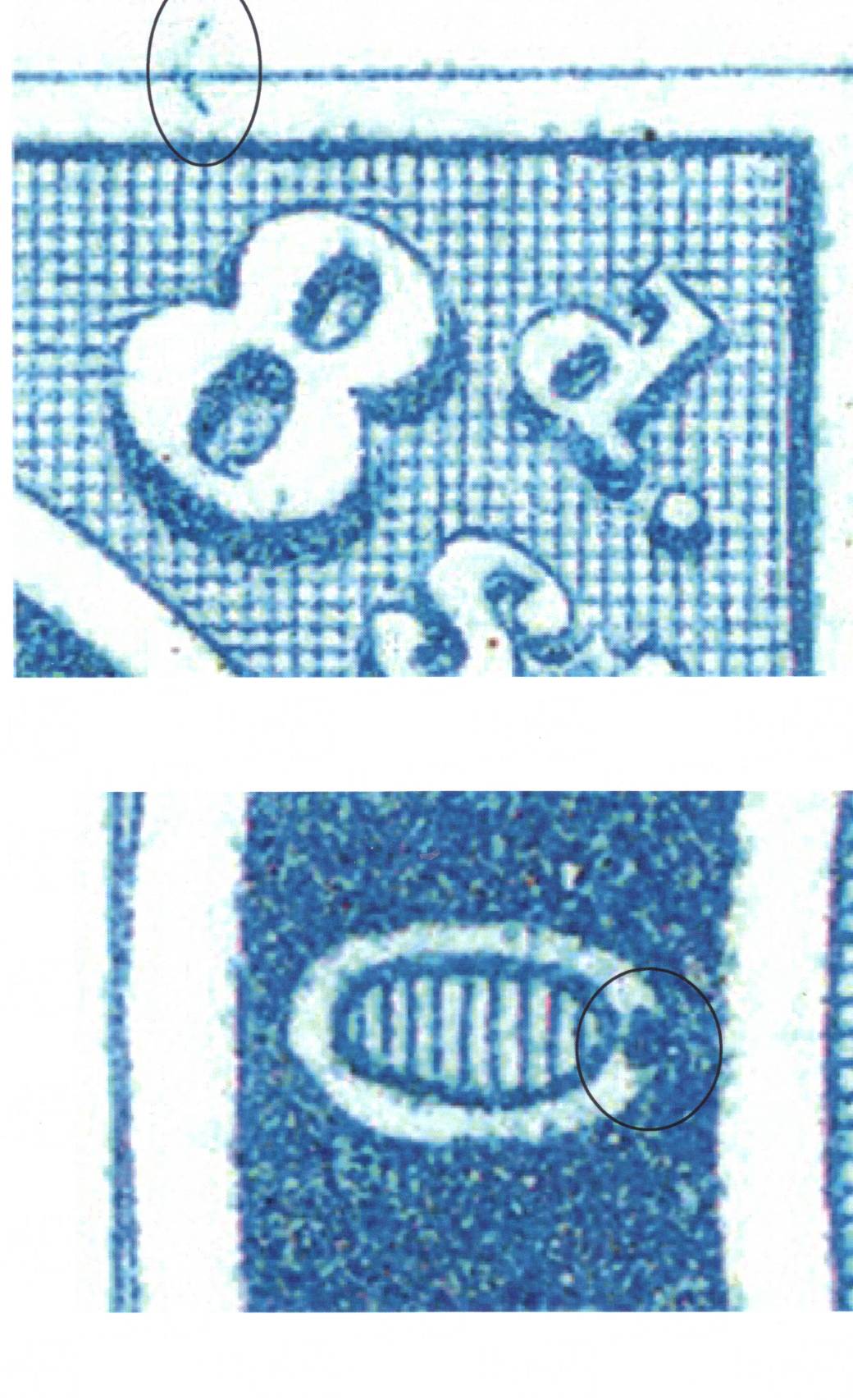
mine is also a 12 x 12. I also saw the Canada's Archive proof sheet and it does not show the flaw. |
Send note to Staff 
|
|
|
Moderator

United States
12330 Posts |
|
|
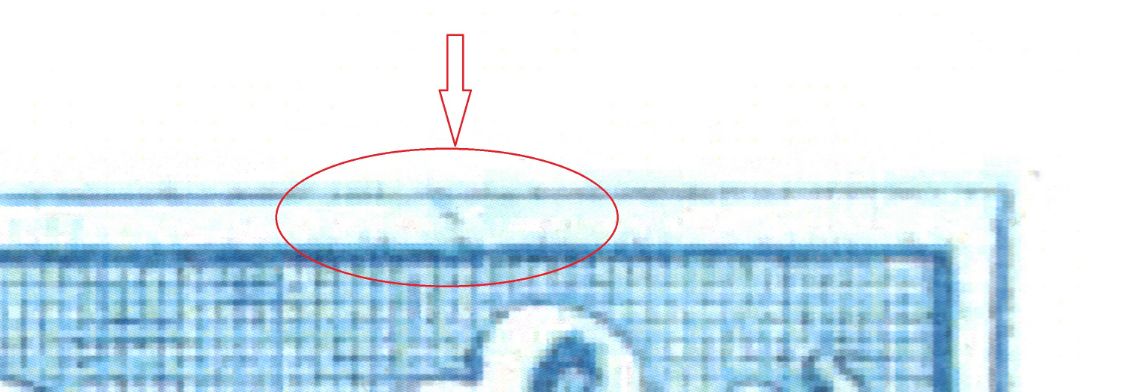
I am not an expert but this part on Mike's example looks to my eye more like a crack than a scratch 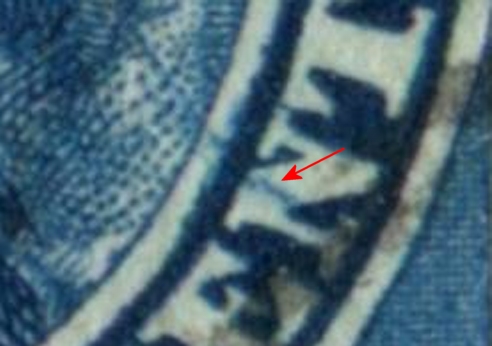 Don |
|
Send note to Staff
|
|
|
Pillar Of The Community
Canada
1416 Posts |
|
|
Below, I show another example of pos. 29, from an earlier printing order and perforated 12 x 11 3/4. Note there is no evidence of the plate scratch on this printing 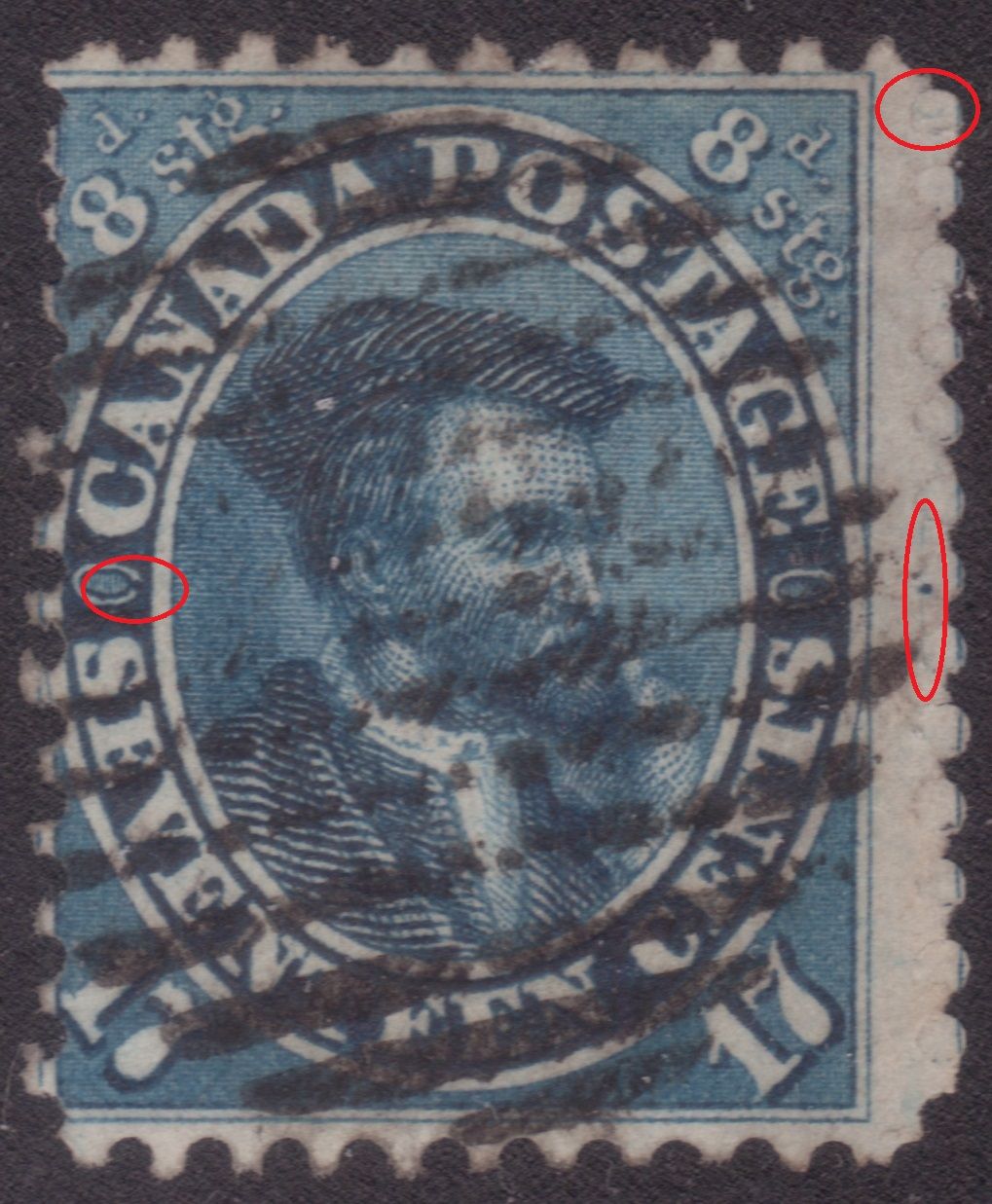 |
|
Send note to Staff
|
|
|
Pillar Of The Community
Canada
1449 Posts |
|
|
Gilles
Thanks for your work on this project - I am a"newbie" in plating but with all explanations/content.....a fantactic subject I am following closely. René |
|
Send note to Staff
|
|
|
Rest in Peace
7742 Posts |
|
|
Gilles le timbre Great work on this post buddy. I find with older stamps that it is hard to see details..So I do something first to let me see details and then go back to my original stamps(s) Below is an example of my Jacques Cartier stamp..Look at the stamp on the left and then look at the right example and then you can go back to the real stamp and see what you could not see before. Also you can see dots in the "T" of "CENTS" and the "7" of "17" that is almost impossible to see..Kind of a neat trick I use. Robert 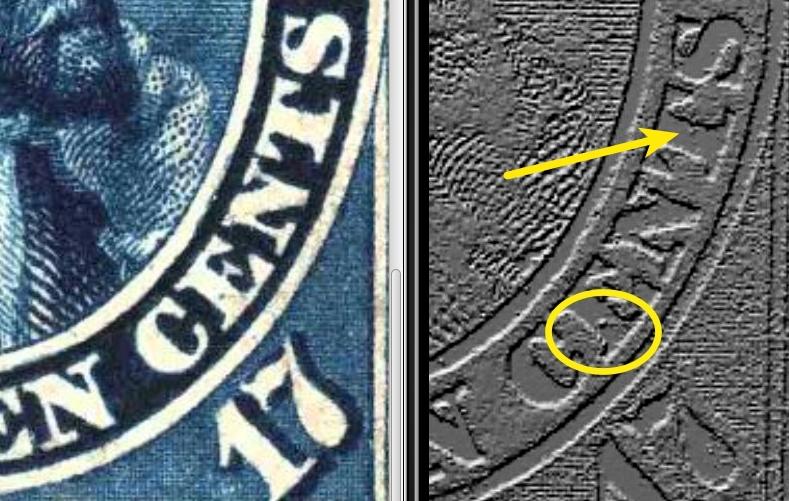 |
|
Send note to Staff
|
|
|
Pillar Of The Community
Canada
1416 Posts |
|
|
Robert,
I would be interested in learning and experimenting with that tool. I still have about 40 stamps that I want to positively identify, but sometimes the details can be confused with the cancel, as dark blue and black cancels could be hard to differentiate. Same issue with the dot on the cheek and the dot in Ear. Better contrast would help me a lot. |
|
Send note to Staff
|
|
|
Pillar Of The Community
Canada
1416 Posts |
|
|
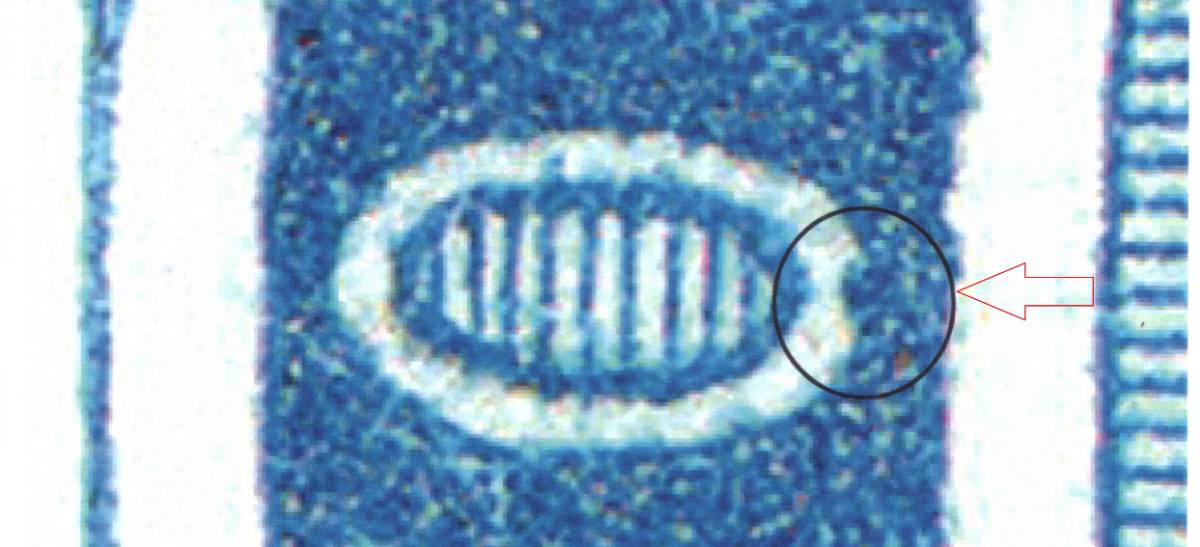
Robert, here is an image tat I am puzzling with.. Can't really see if the marks in the left, right small horizontal ovals and the ear marks are blue dots part of the original stamp. or simply cancellation marks. What does your tool make up of these? 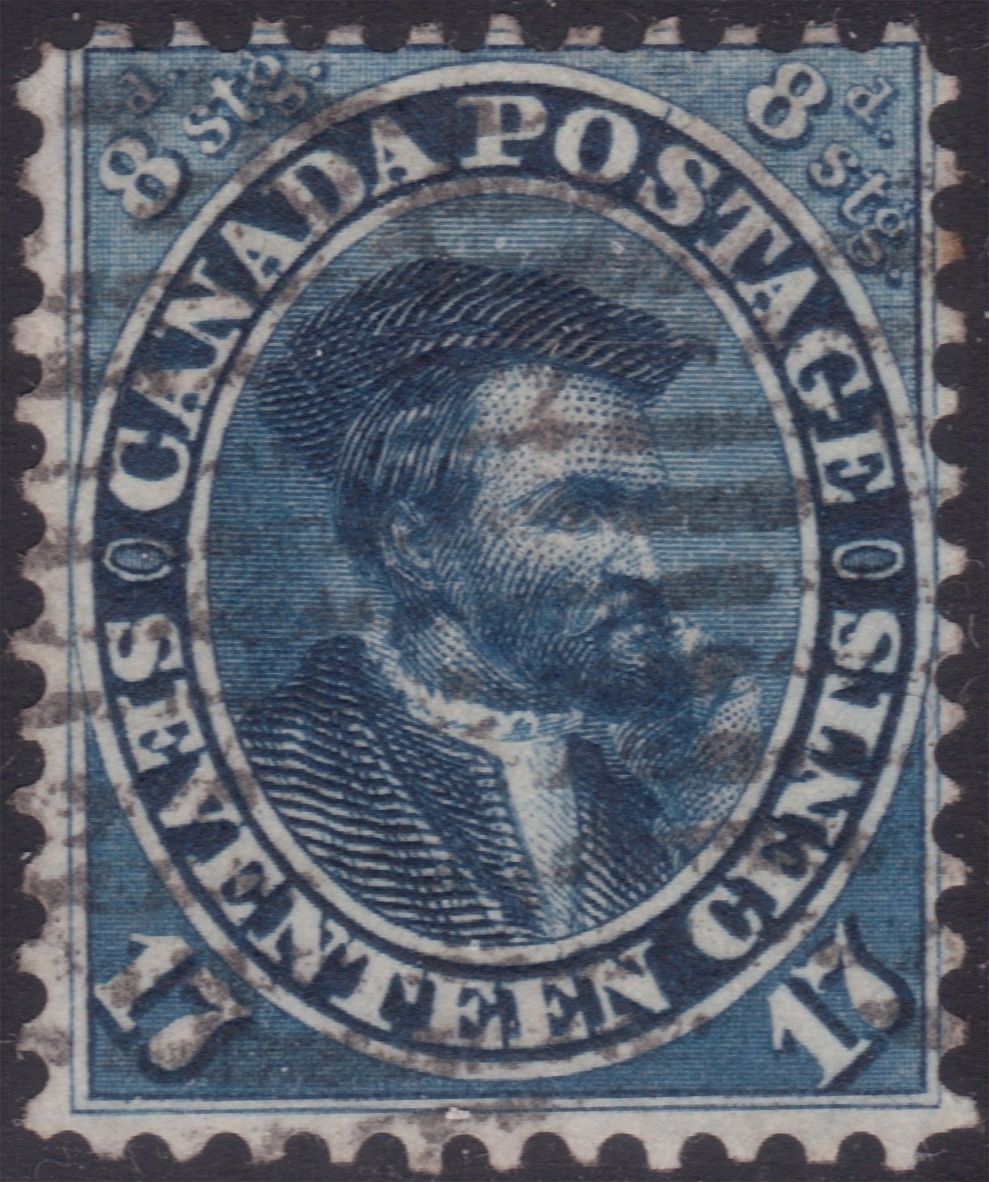 |
|
Send note to Staff
|
|
|
Rest in Peace
7742 Posts |
|
|
Pillar Of The Community
923 Posts |
|
|
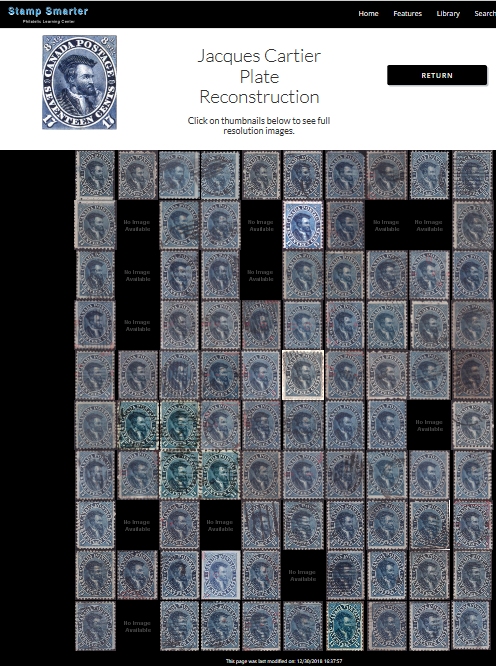
May I ask a naive question? I see that there are about a third of the positions unidentified. Is it possible that those stamps have NO identifiable marks and are all the same? |
|
Send note to Staff
|
|
|
Pillar Of The Community
Canada
1462 Posts |
|
|
Here is mine, a little beaten up to be sure. I'm ignorant on plating, but perhaps it's helpful to your project... 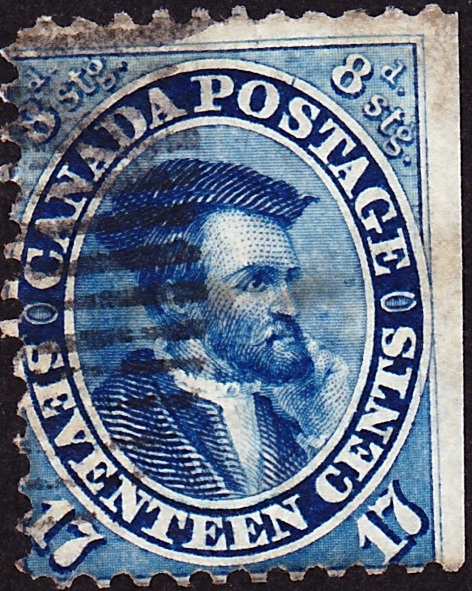 |
|
Send note to Staff
|
|
|
Moderator
United States
12330 Posts |
|
|
Pillar Of The Community
3865 Posts |
|
|
Is perf 12 x 12 exactly 12 x 12? It is usually anything within 11.75-12.25 in the standard catalogue. There are some Large and Small Queens that are around exactly perf 12. |
|
Send note to Staff
|
|
|
Pillar Of The Community
Canada
1416 Posts |
|
|
Jogil,
I used my Instata gauge and I measured 11.95 so close enough to be called a 12 |
|
Send note to Staff
|
|
|
Pillar Of The Community
Canada
1416 Posts |
|
|
Pillar Of The Community
Canada
1416 Posts |
|
|
Replies: 65 / Views: 6,565 |
|




 Posted 01/03/2019 10:18 am