Great thread topic Jubilee

Some floorsweepings from digging around in books,
This one from 1891
Get lost in athe absolute mystery and magnificence of coal-tar
Golden Days Magazine November 28 1891
SOMETHING ABOUT COAL-TAR.
---------------------------------------------------------------------
BY B. SHIPPEN, M. D.
---------------------------------------------------------------------
Most people know and dislike the odor of coal-tar, which is distilled from soft or bituminous coal in making gas, as
well as in other processes.
It seems to have been first collected by a German, named Stauf, in 1741. Of course there was no question of gas-making
then, and the German, who was more of an alchemist than a chemist, was looking for other things than the coal-oil
which he obtained.
The coarse oil which Stauf procured had little in it to his eye, but it contained, nevertheless, many bright and varied
colors, delicate perfumes, useful medicines and the sweetest product ever known to man.
From coal-tar is derived benzine and naphtha, and colors—especially purples—which are used in dyeing. From one ton
of good cannel coal, distilled in gas retorts, there comes ten thousand cubic feet of gas, twenty-five gallons of
ammoniacal liquor, thirty pounds of sulphate of ammonium, thirteen hundred weight of coke and twelve gallons of
coal-tar.
From this tar are produced a pound of benzine, a pound of toluene, a pound and a half of phenol, six pounds of
naphthalene, a small quantity of a material called xylene and half a pound of anthracene, which is used in dyeing.
From benzine are derived fine shades of yellows, browns, oranges, blues, violets and greens; from the toluene are
obtained magentas and rich blues; from phenol, beautiful reds; from naphthalene, reds, yellows and blues; from xylene,
brilliant scarlets, and from anthracene, yellows and browns.
Out of one pound weight of cannel coal can be produced dyes sufficient to color the following lengths of flannel, three
quarters of a yard wide: Eight inches of magenta, two feet of violet, five feet of yellow, three and a half feet of scarlet,
two inches of orange and four inches of Turkey red.
There are immense varieties of these colors, and the best part about them is that no illness comes to the hands employed
in mixing or using them, as is the case with some other dyes.
Some years ago, quinine became very dear, but it had no equal as a medicine for certain purposes, and so experiments
were made to produce artificial quinine by chemical means. In this way "kairene" and "quinoline" were produced, at
about half the price of quinine. But the most important result of the search was the discovery of anti-pyrine, which is
extensively used in high fevers.
Coal-tar is about the last substance from which a sweet perfume could be expected, and yet it gives many. All the
"extract of new-mown hay" now comes from it. This lovely scent used to be produced, at great expense, from scented
grasses. Then there is the scent of vanilla, and the growers of the vanilla bean have lost greatly in consequence. There is
also heliotrope perfume prepared from coal-tar, and other extracts for scenting toilet soaps.
But the most remarkable of all the products of coal-tar is saccharine, which was first discovered by Fahlberg, a German,
who was conducting experiments in coal-tar under the direction of Professor Remsen, of the Johns Hopkins University,
in Baltimore.
This substance is infinitely sweeter than any cane-sugar—more than two hundred times as sweet—so that the smallest
drop sweetens more than a tablespoonful of sugar. But it does not nourish like cane or beet sugar, while at the same
time it is not injurious, and it preserves fruit perfectly.
Persons suffering from certain diseases, when sugar in any form cannot be taken, can have their diet rendered much
more acceptable by the use of saccharine. The taste is very pure, and more quickly communicated to the palate than that
of cane-sugar.
It seems wonderful that from a substance which, a generation ago, was used only as wagon grease and for kindling fires,
such colors, medicines, perfumes and sweetness should be extracted!





 Posted 05/20/2010 09:27 am


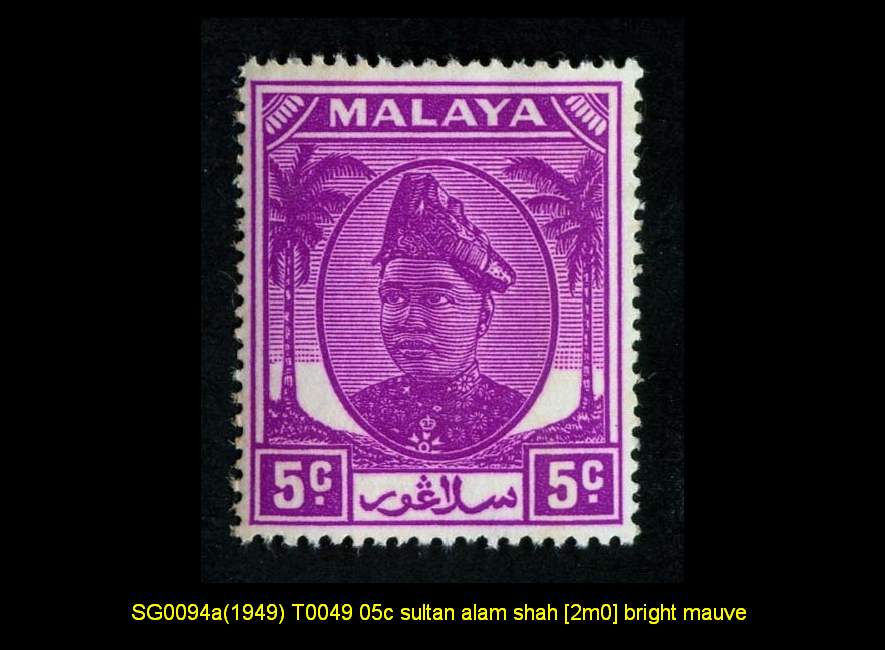


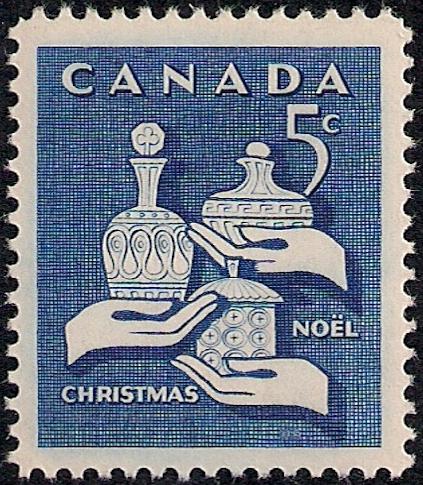


 can turn a collector into a sobbing hysterical psychotic mess at best.


