ZebraMan wrote:
Quote:
Regarding the Siegel sale today, it is hard to draw conclusions based on the selection offered in the Rarities sale. I mean 3 sets of the 1869 inverts may flood the market, so to speak, and unintentionally suppress prices. I wish they had broken up one of the sets to sell as singles to give more people a chance to get just one for their collection. $2500 CV is still a high barrier to entry for most collectors, but still easier than an $11K commitment. We shall soon see the results.
Underlining added. Each set came in at $4500 or less, against a cat of $11K. None of those sets reached half of cat.
[By way of contrast, lot 53 had a set of the four dollar value State Department sheets with a cat of $16K that fetched $13K of that.]
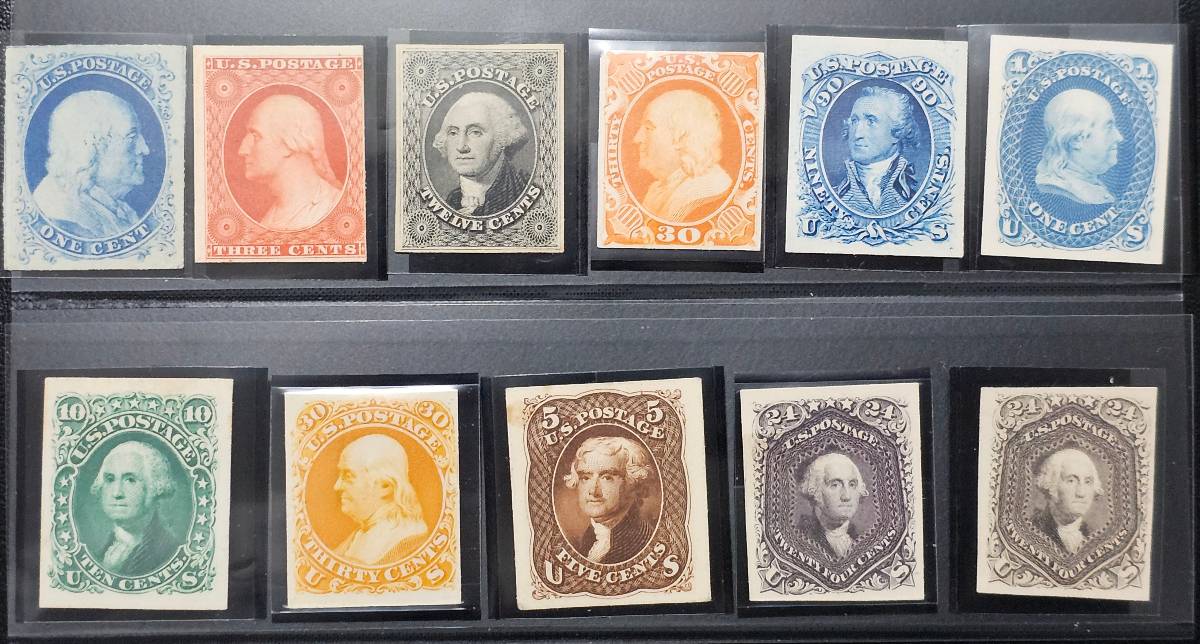
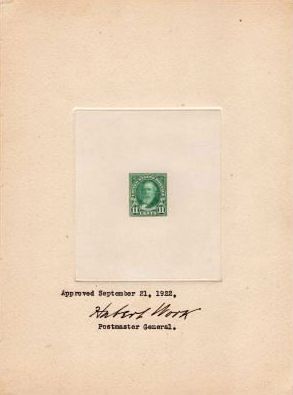
Lot 52 was a significant workup of 16 essays in a Pan-American group, three of which were/are unlisted and all of which are either unique or one of only a couple known. By the house tally, value for 13 items in the group exceeds $28K not counting the three unlisted items. Knowing all this, the lot was estimated at $15-20K (a big cut imo) and sold for the minimum. Why? Because the house did not know anyone (with the right pockets) who was working on that series. A two cent invert single would have done better.
Zebraman has given us some meaningful and thought provoking comments worthy of some attention. But I doubt that the team at Siegel even sees these notes here. So I'm going to spill the beans here a little: comments like these need to come to the attention of Corey Long. He is the VP that handles the US E-P material for catalog writeup these days, and would get the most mileage out of these kinds of comments. His email address is given in any of the Siegel cats that includes an intro page of info for bidders. (Not sure I am at liberty to post it here.)
The point here is that Essay material in particular is catalogued by its rarity, but the market has more to do with familiarity and popularity of subject.





 Posted 06/25/2025 11:14 am


 </center>
