Stamp Community Family of Web Sites
Thousands of stamps, consistently graded, competitively priced and hundreds of in-depth blog posts to read


Stamp Community Forum
 
Username:
Password:
Save Password
Forgot your Password?

This page may contain links that result in small commissions to keep this free site up and running.

Welcome Guest! Registering and/or logging in will remove the anchor (bottom) ads. It's Free!

Prehistoric Cave Paintings And Stone Carvings

Previous Page | Next Page    
 
To participate in the forum you must log in or register.
Author Previous TopicReplies: 96 / Views: 6,505Next Topic
Page: of 7
Pillar Of The Community
Israel
4660 Posts
Posted 10/14/2025   1:41 pm  Show Profile Bookmark this reply Add LaoPhil to your friends list  Get a Link to this Reply
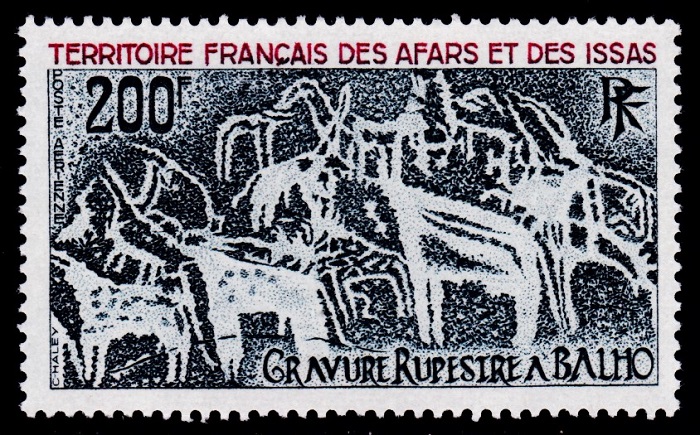
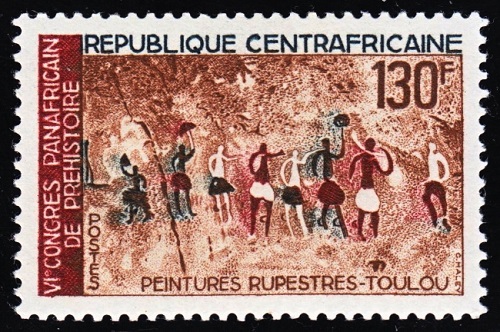
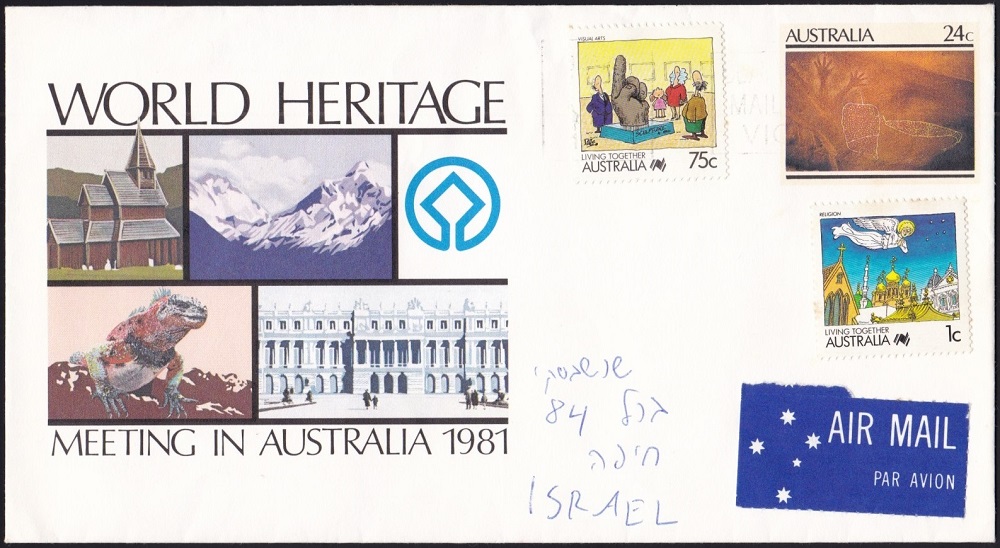
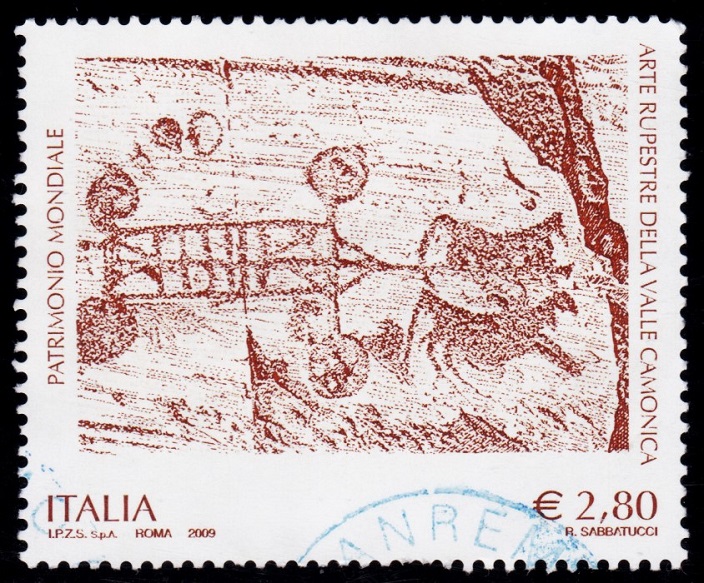
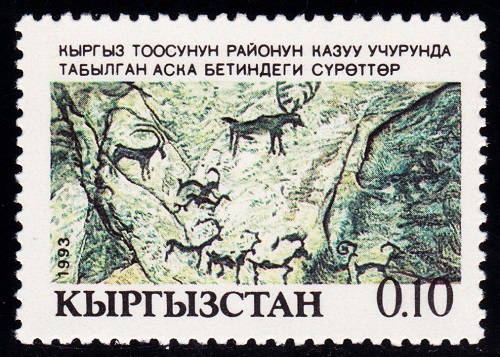
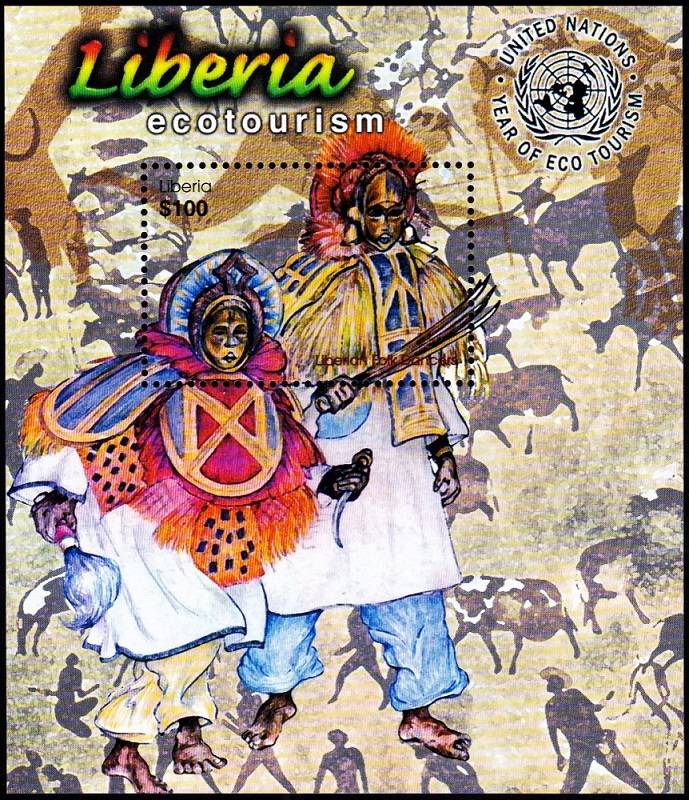
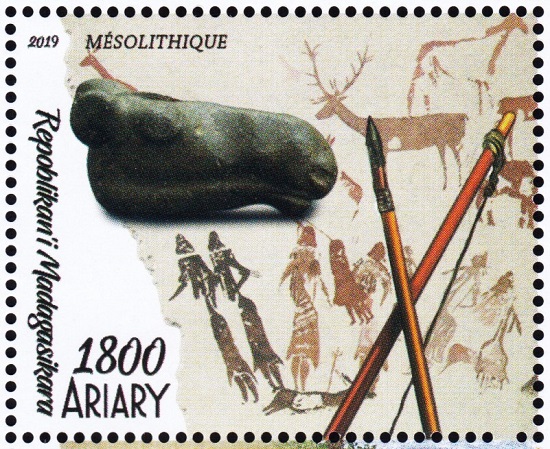
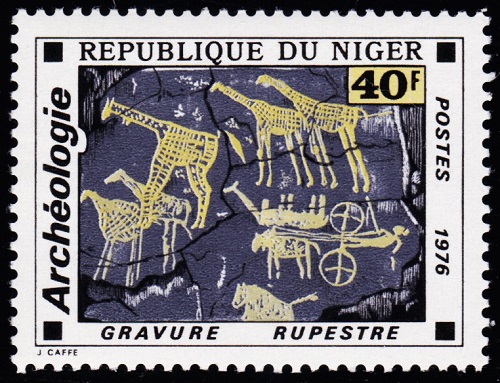
A selection of stamps and items featuring cave and stone paintings, issued either as single stamps or as the only cave and stone paintings design within a set. Issuing countries are: Afar and Issa, Central African Republic, Australia (postal stationary with printed stamp), Italy, Kyrgyzstan, Liberia, Madagascar and Niger.


Send note to Staff  Go to Top of Page
Pillar Of The Community
Israel
4660 Posts
Posted 10/14/2025   7:59 pm  Show Profile Bookmark this reply Add LaoPhil to your friends list  Get a Link to this Reply
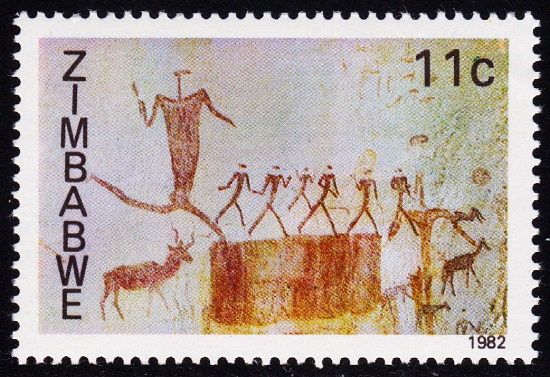
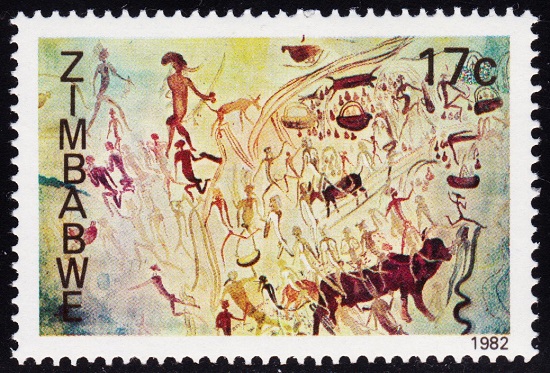
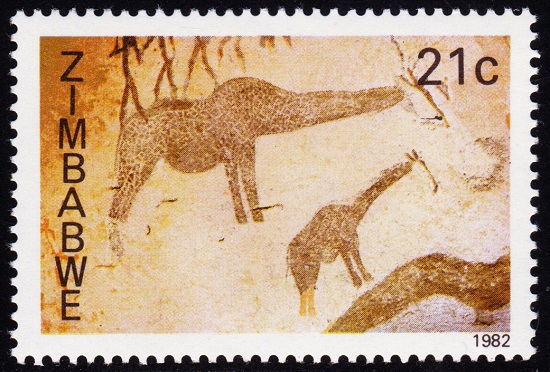
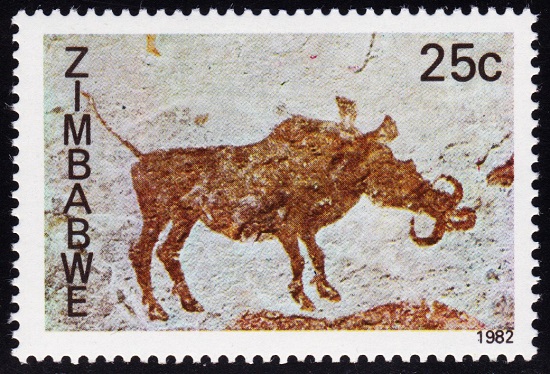
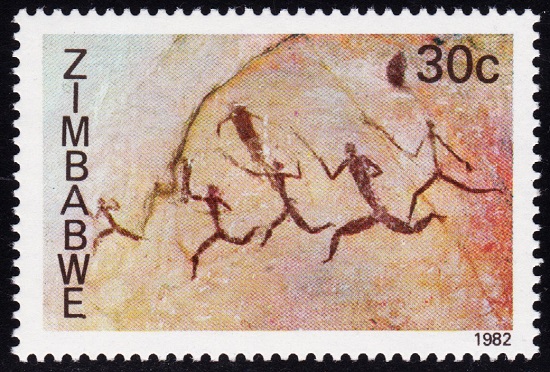
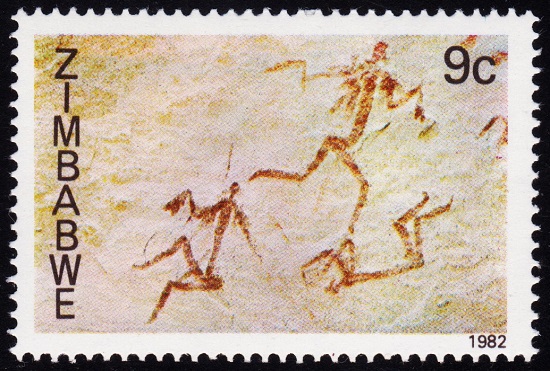
Prehistoric rock art in Zimbabwe is among the richest in Africa, with thousands of sites found throughout the country's granite hills and caves. Most of the paintings were created by San (Bushmen) hunter-gatherers over the past 10,000 years and depict animals, humans, and scenes of daily life and spiritual rituals. Often painted with natural pigments in red, brown, and white, these artworks provide valuable insight into the beliefs, environment, and social practices of southern Africa's early inhabitants.

Cave and stone paintings, Zimbabwe, 1982.


Send note to Staff  Go to Top of Page
Pillar Of The Community
Israel
4660 Posts
Posted 10/15/2025   2:51 pm  Show Profile Bookmark this reply Add LaoPhil to your friends list  Get a Link to this Reply
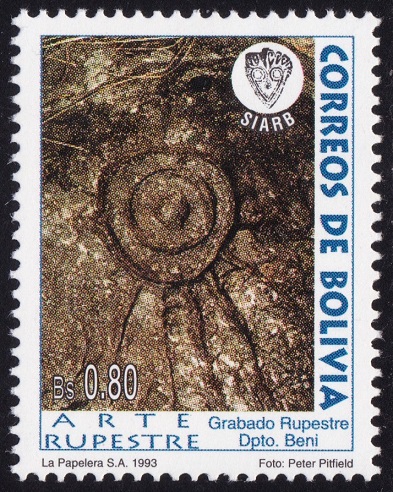
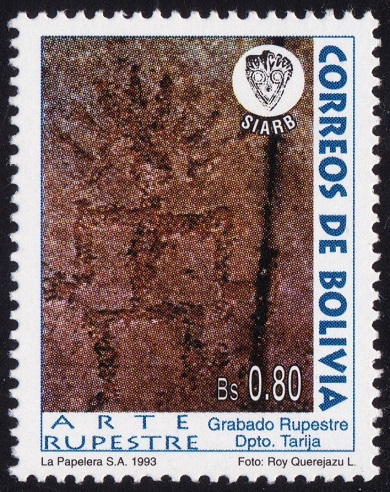
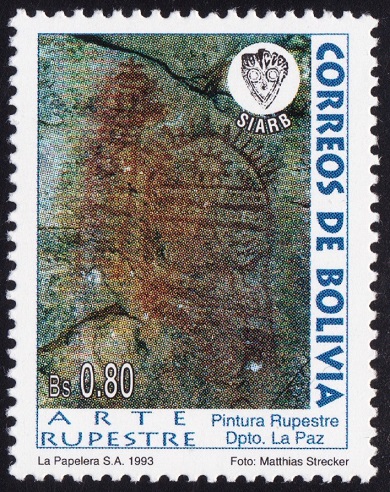
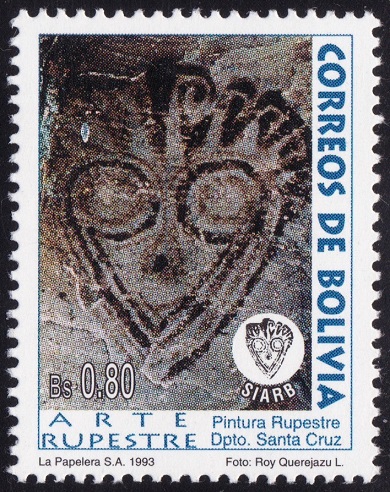
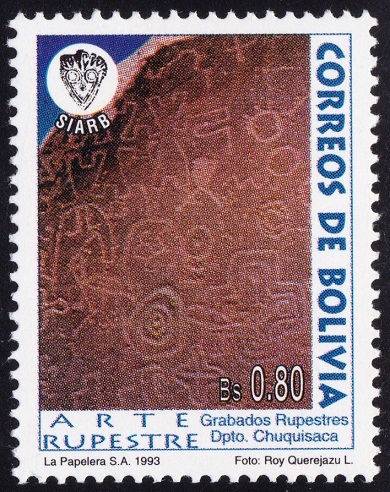
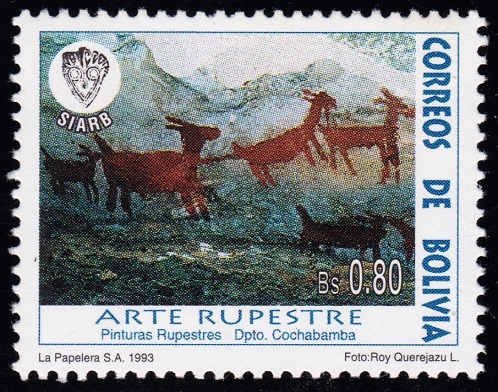
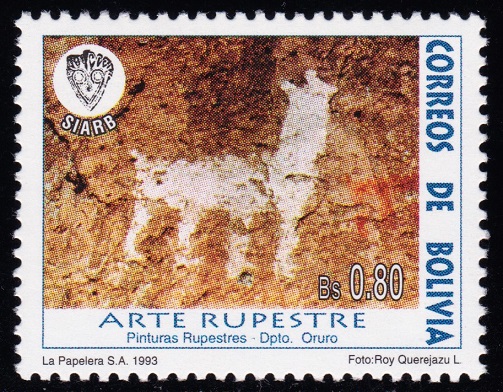
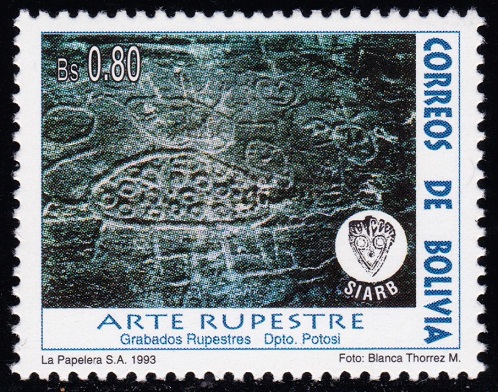
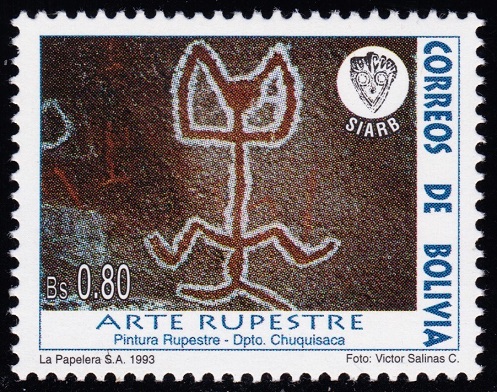
Bolivia is home to numerous prehistoric rock art sites, with paintings and engravings found in caves and rock shelters across the Andes and lowland regions. Many of these works, created thousands of years ago by early hunter-gatherer communities, depict many local subjects and symbolic motifs. Notable sites such as Incamachay and Cueva del Diablo in the Chuquisaca region showcase vivid red and ochre pictographs (color paintings on rocks),revealing aspects of the daily life of early Andean societies.

Rock paintings and engravings, Bolivia, 1993.


Send note to Staff  Go to Top of Page
Edited by LaoPhil - 10/15/2025 2:54 pm
Pillar Of The Community
Israel
4660 Posts
Posted 10/15/2025   2:52 pm  Show Profile Bookmark this reply Add LaoPhil to your friends list  Get a Link to this Reply
....more Bolivia, 1993.


Send note to Staff  Go to Top of Page
Pillar Of The Community
Israel
4660 Posts
Posted 10/16/2025   10:30 am  Show Profile Bookmark this reply Add LaoPhil to your friends list  Get a Link to this Reply
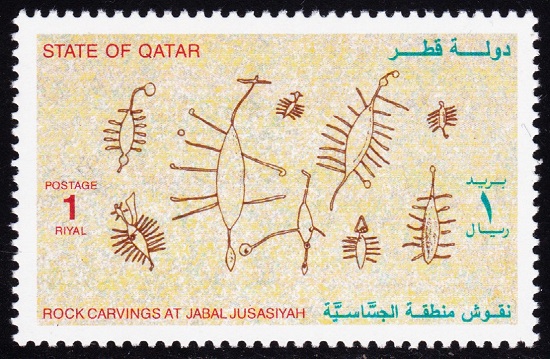
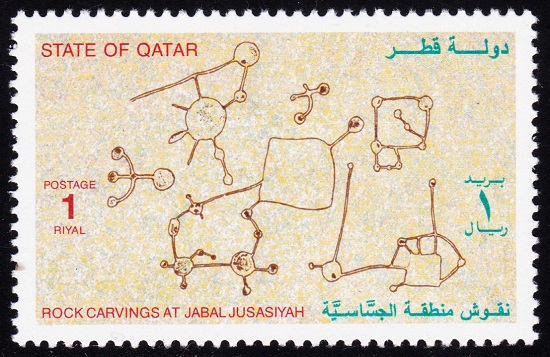
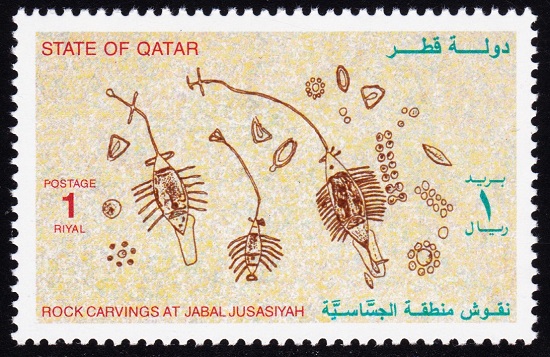
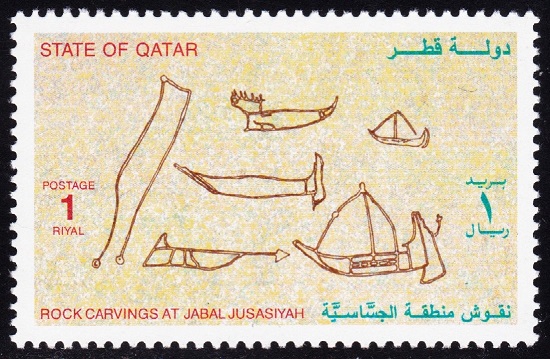
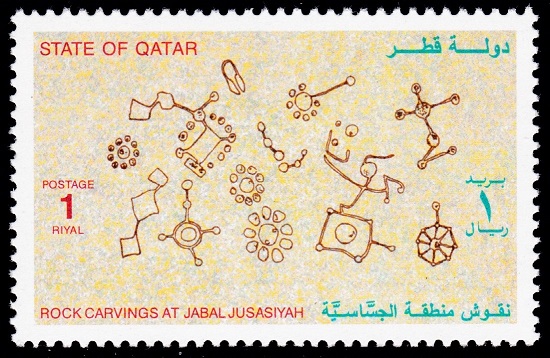
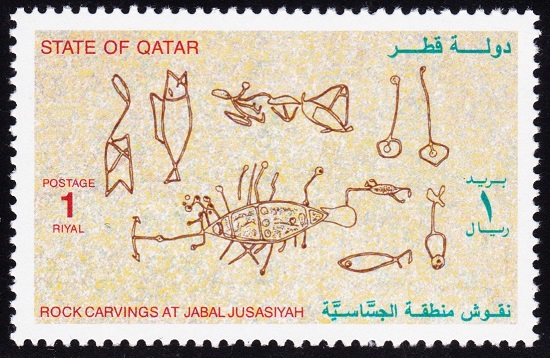
Jabal Jassasiyah in northeastern Qatar is the country's most important rock art site, featuring over 800 petroglyphs carved into limestone. Dating from the Neolithic to pre-Islamic periods, the carvings include geometric patterns, ships, and cup marks, reflecting aspects of early life and maritime traditions in the region.

Rock carvings in Jabal Jassasiyah, Qatar, 1995.


Send note to Staff  Go to Top of Page
Pillar Of The Community
Israel
4660 Posts
Posted 10/16/2025   3:59 pm  Show Profile Bookmark this reply Add LaoPhil to your friends list  Get a Link to this Reply
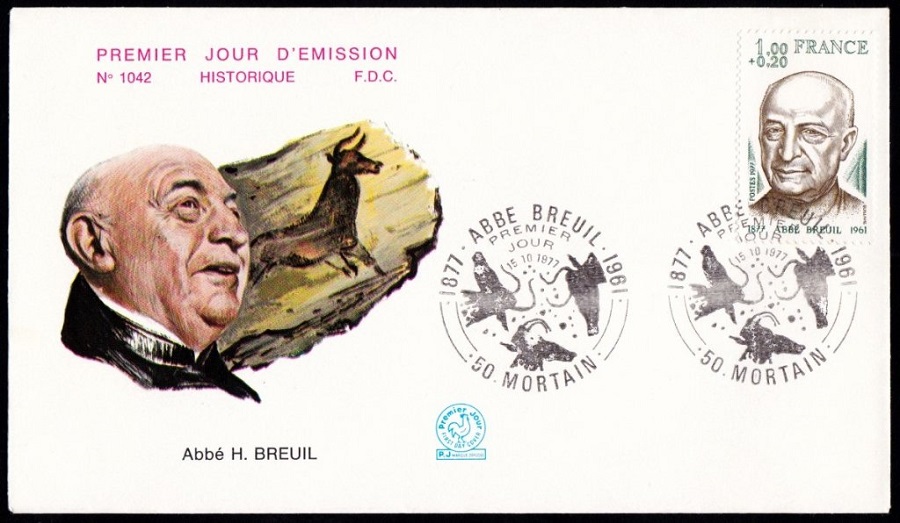
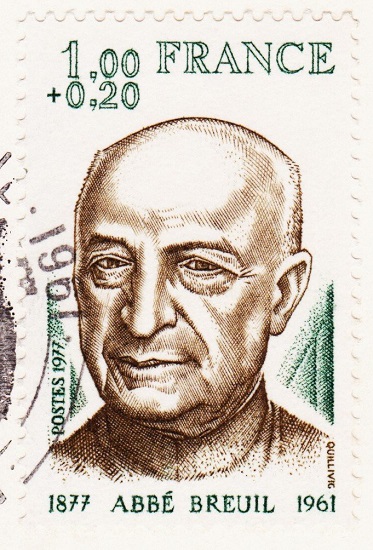
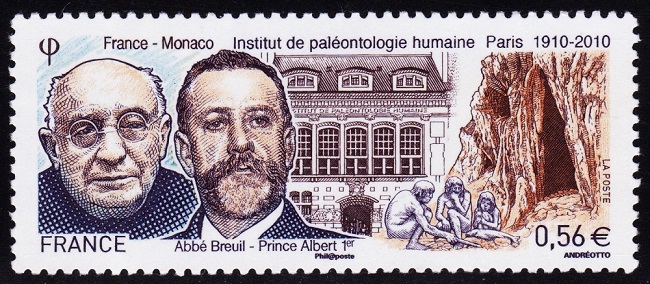
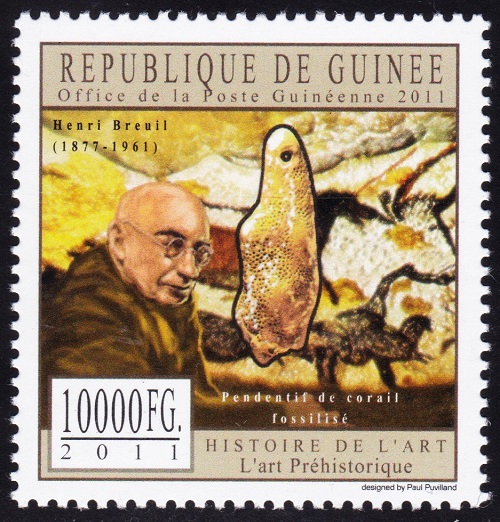
Abbe Henri Breuil (1877–1961) was a French priest, archaeologist, and one of the founding figures of modern Paleolithic research. He documented and interpreted hundreds of prehistoric cave paintings and engravings across Europe and Africa. Breuil played a central role in advancing the study of Paleolithic art and human evolution and was closely associated with the Human Paleontology Institute in Monaco founded with the support of Prince Albert I of Monaco.

Century of Breuil birth, France, 1977 - Stamp, FDC and Maxi card. Note the cave paintings on the commemorative postmark.


Century of Human Paleontology Institute, Breuil with Prince Albert I, Monaco, Grimaldi Cave, 1910.
Breuil, Guinea, 2011.
Send note to Staff  Go to Top of Page
Pillar Of The Community
Israel
4660 Posts
Posted 10/17/2025   05:20 am  Show Profile Bookmark this reply Add LaoPhil to your friends list  Get a Link to this Reply
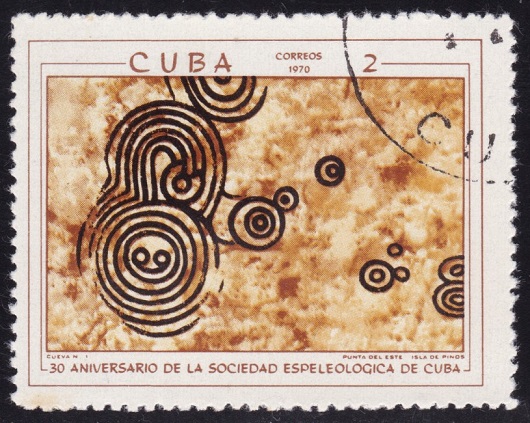
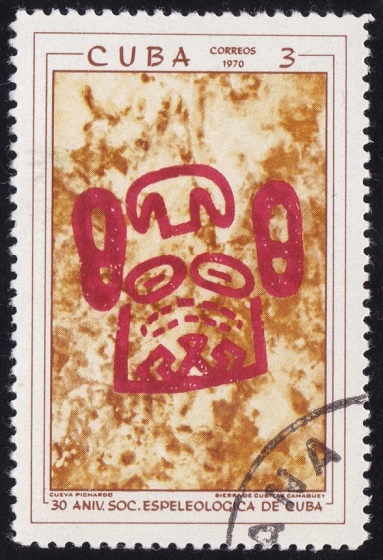
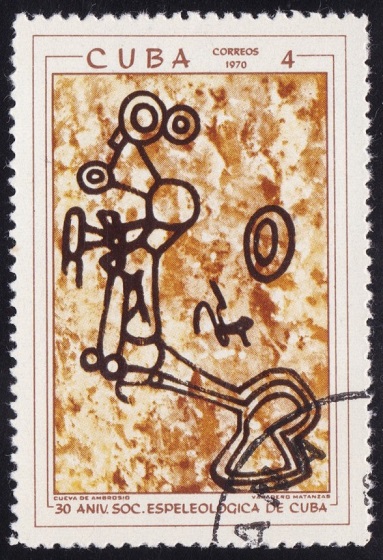
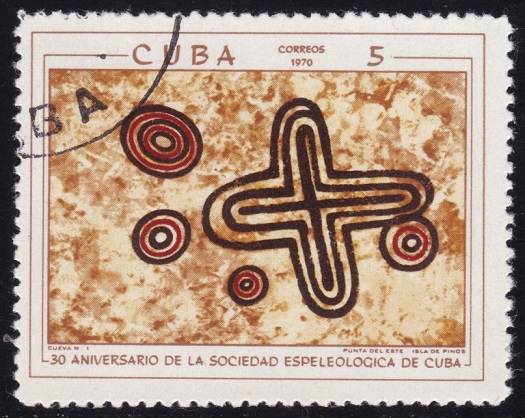
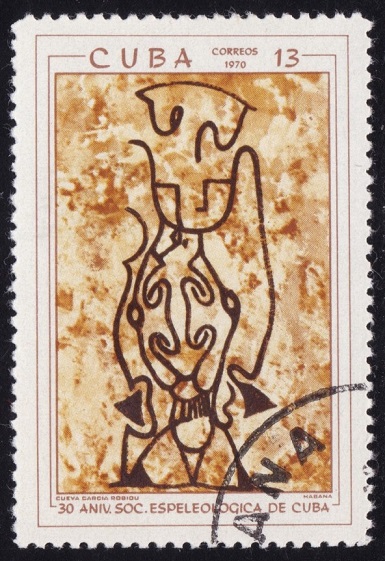
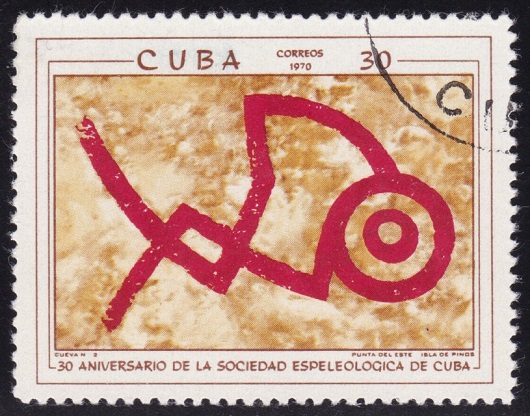
Speleology is the scientific study of caves and other karst features, as well as their composition, structure, physical properties, history, ecology, and the processes by which they form and change over time.

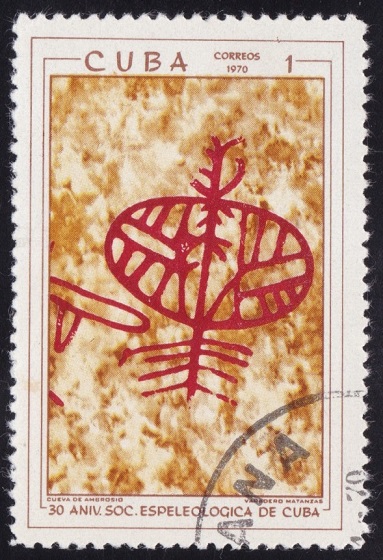
The Cuban Society of Speleology (Sociedad Espeleologica de Cuba), founded in 1940, is one of the oldest scientific organizations in the country. It is dedicated to the exploration, study, and preservation of caves and karst landscapes in Cuba, contributing to research in geology, archaeology, and paleontology. To mark the 30th anniversary of it, Cuba issued this set in 1970 features Cuban cave paintings.


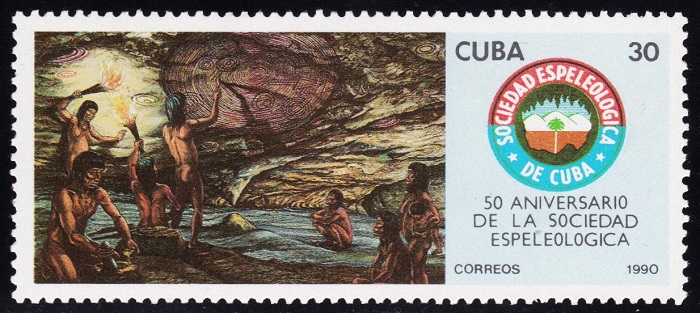
A single stamp was issued in 1990 to mark the 50th anniversary of the society features Cro-magnon group painting cave wall.
Send note to Staff  Go to Top of Page
Pillar Of The Community
Israel
4660 Posts
Posted 10/17/2025   11:43 pm  Show Profile Bookmark this reply Add LaoPhil to your friends list  Get a Link to this Reply
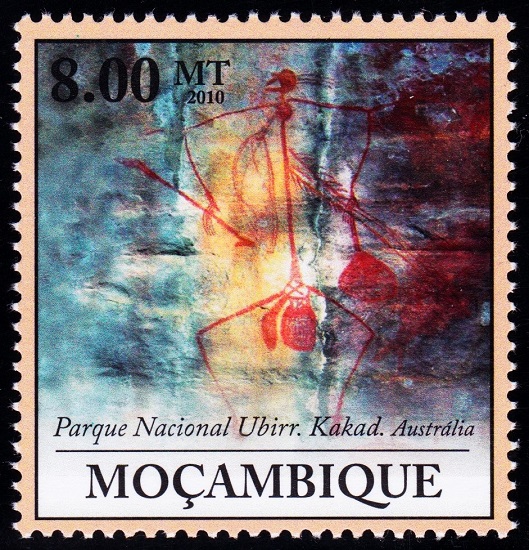
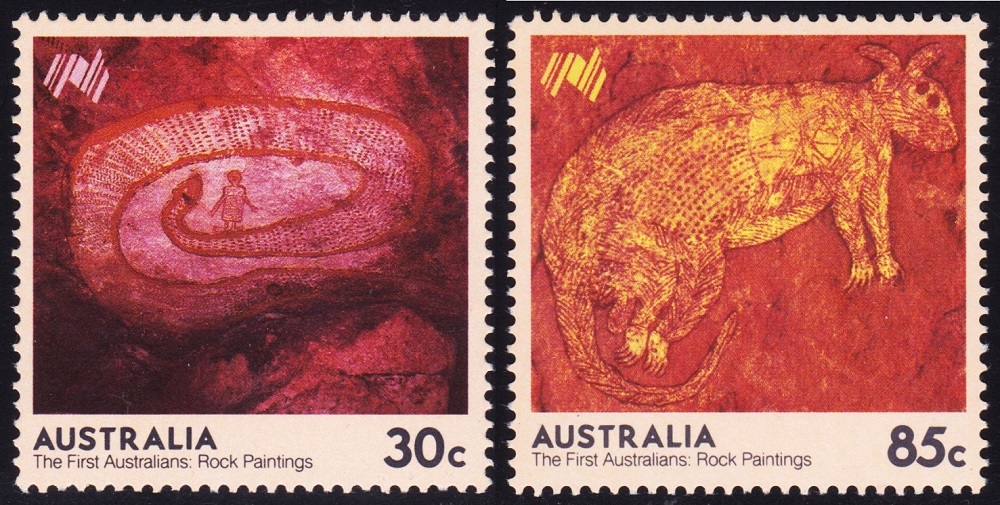
Kakadu National Park in northern Australia is home to one of the world's richest collections of Aboriginal rock art, with paintings spanning over 20,000 years. These pictographs depict animals, hunting scenes, spiritual figures, and ancestral stories, offering a continuous record of Indigenous culture from prehistoric times to the present.
Prehistoric paintings from Kakadu, stamps from Australia and Mozambique.

SS issued by Niger in 2016 shows in the margin early painters in one of Kakadu caves.
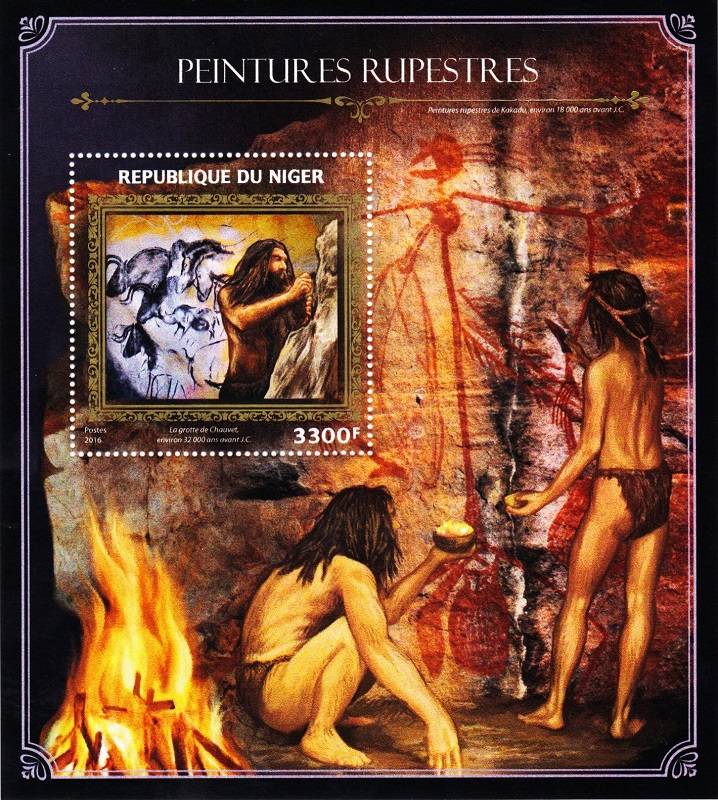
Pictographs are images or symbols painted or drawn onto rock surfaces using natural pigments like ochre, charcoal, or clay.
Send note to Staff  Go to Top of Page
Pillar Of The Community
Israel
4660 Posts
Posted 10/17/2025   11:56 pm  Show Profile Bookmark this reply Add LaoPhil to your friends list  Get a Link to this Reply
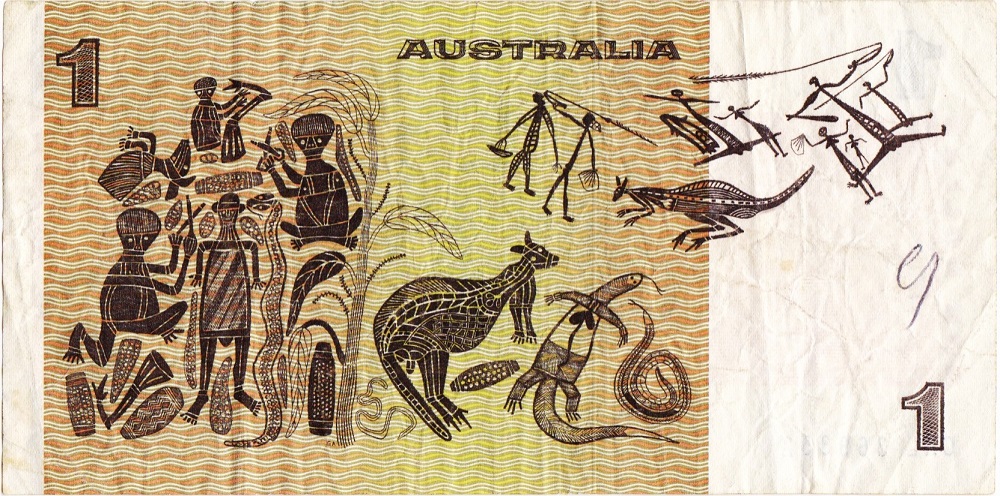
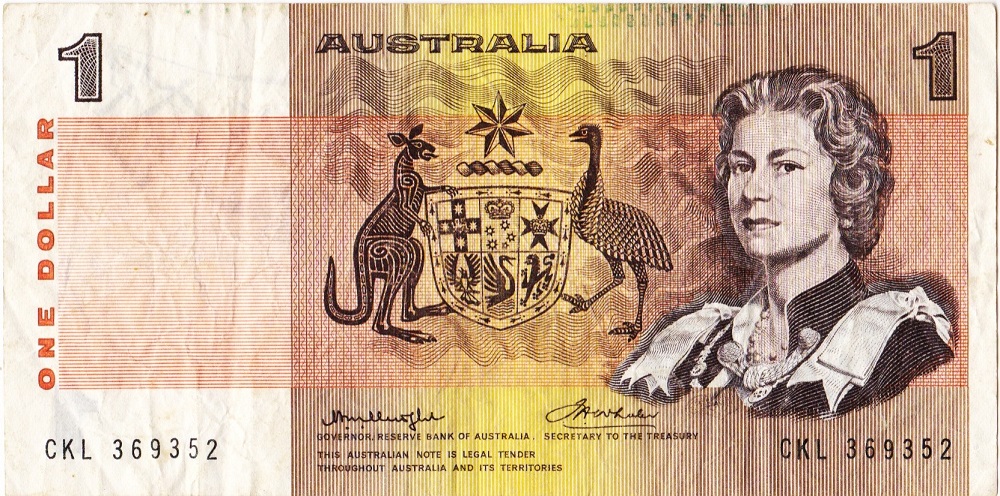
More from Australia in addition to the above stamps, is a banknote of 1 AU$ shows aboriginal rock paintings, 1974.
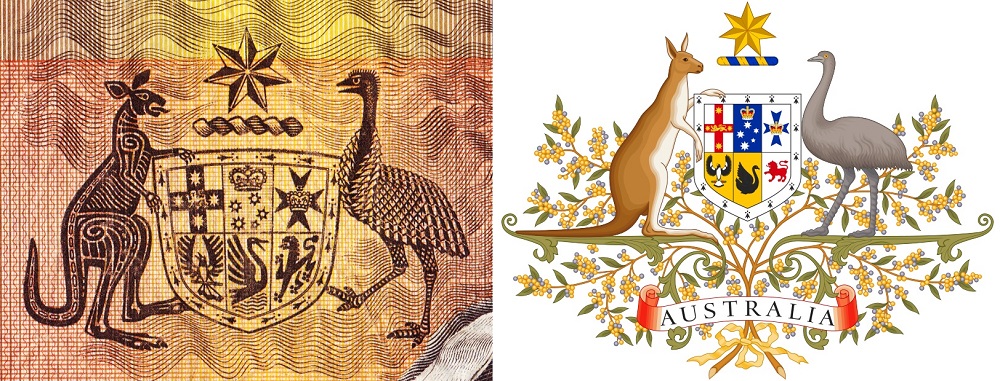
The Australian coat of arms on the front of the banknote is depicted in a style resembling Aboriginal rock art. I don't know whether the design is copied from real paintings or created as an artistic interpretation.
Here it is presented next to the official coat of arms for comparison.
Send note to Staff  Go to Top of Page
Pillar Of The Community
Israel
4660 Posts
Posted 10/18/2025   11:22 am  Show Profile Bookmark this reply Add LaoPhil to your friends list  Get a Link to this Reply
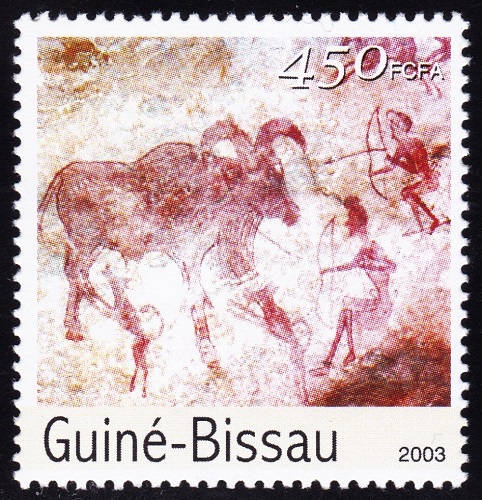
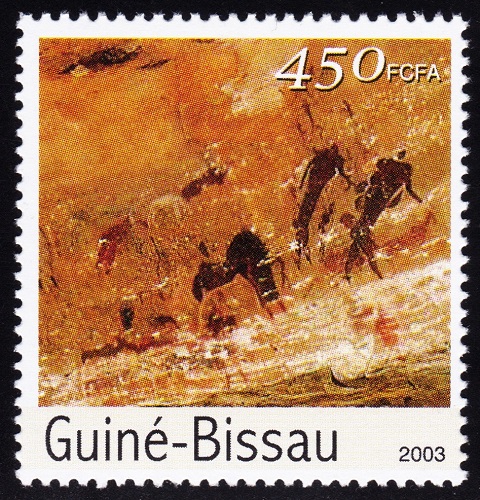
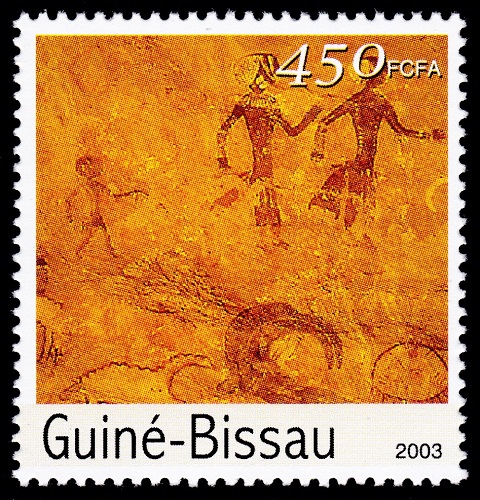
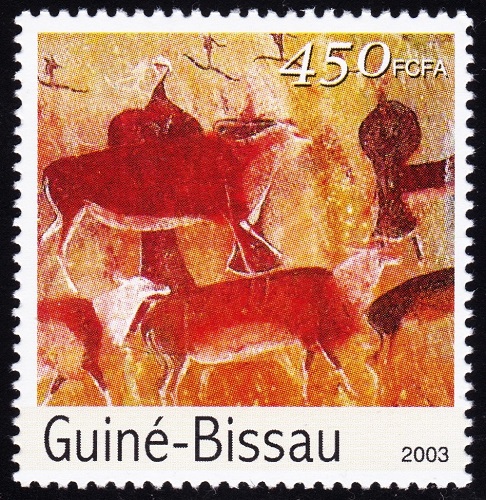
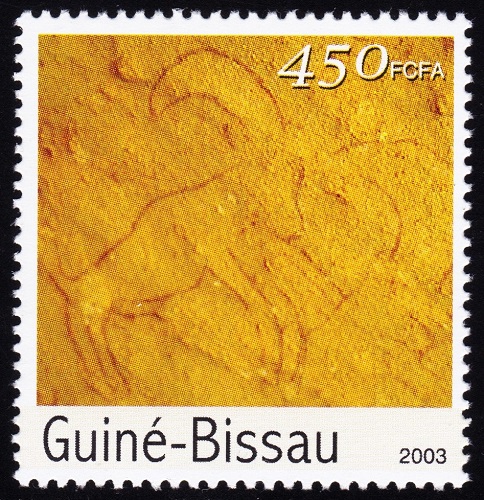
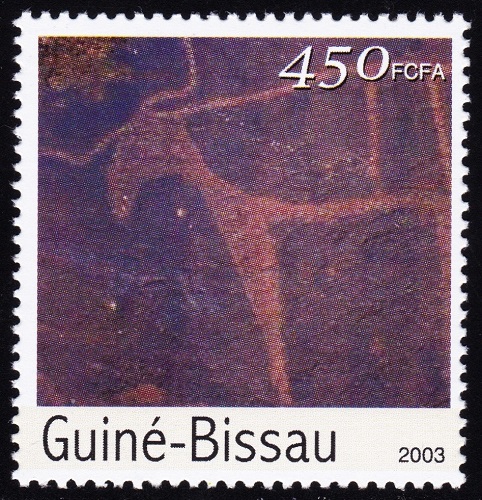
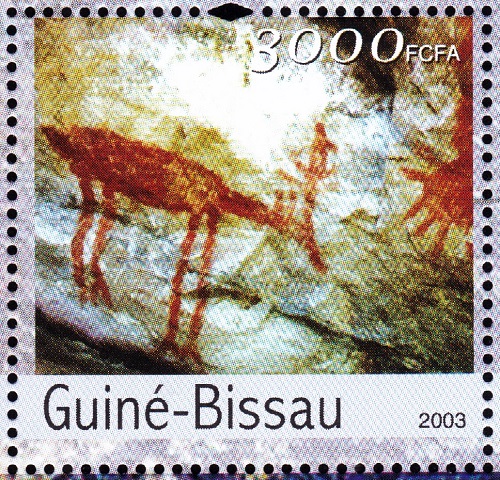
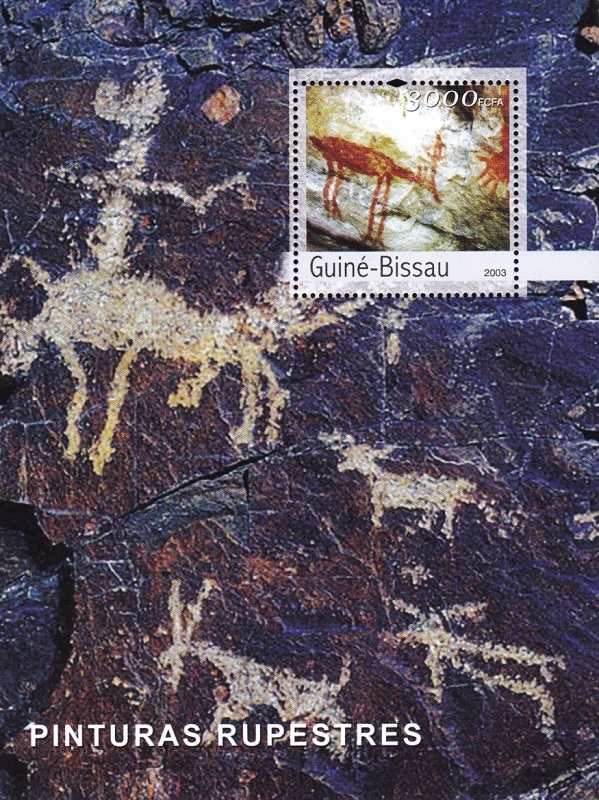
Cave paintings, probably from Spain, Guinea Bissau, 2003.


Send note to Staff  Go to Top of Page
Pillar Of The Community
Israel
4660 Posts
Posted 10/18/2025   11:41 pm  Show Profile Bookmark this reply Add LaoPhil to your friends list  Get a Link to this Reply
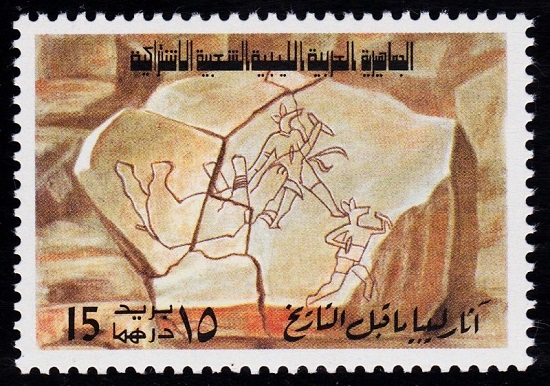
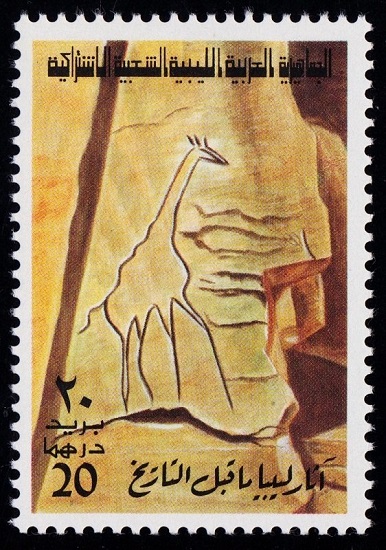
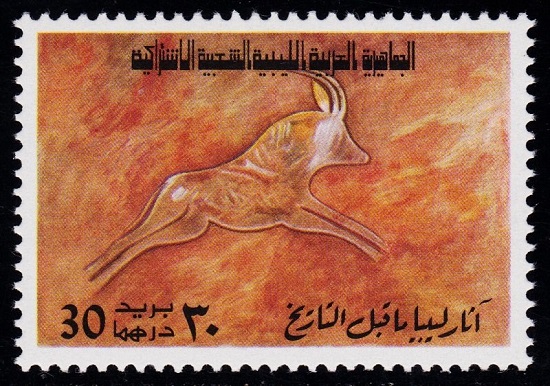
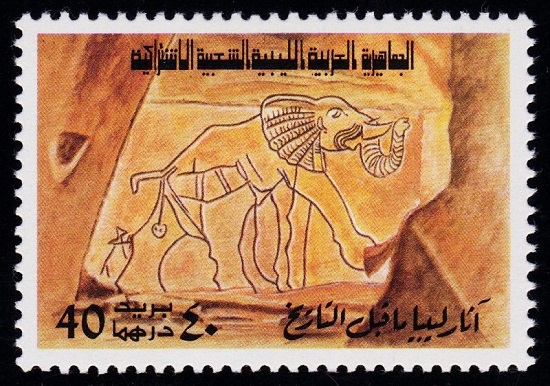
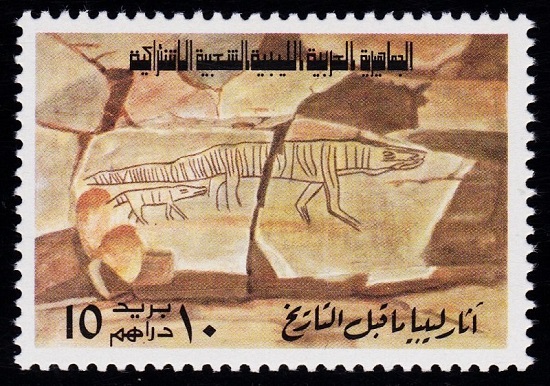
Wadi Mathendous is a prehistoric archaeological site in the Mesak Settafet escarpment, located in the southwestern Fezzan region in Libya. It contains many petroglyphs of figures and objects, as well as other rock art. The chiseled animals include elephants, giraffes, aurochs, wildcats, and crocodiles. These rock engravings and cave paintings have been dated to the Neolithic period, around 8,000 years ago.

Rock paintings from Wadi Mathendous, Libya, 1978.


Send note to Staff  Go to Top of Page
Pillar Of The Community
Israel
4660 Posts
Posted 10/19/2025   09:41 am  Show Profile Bookmark this reply Add LaoPhil to your friends list  Get a Link to this Reply
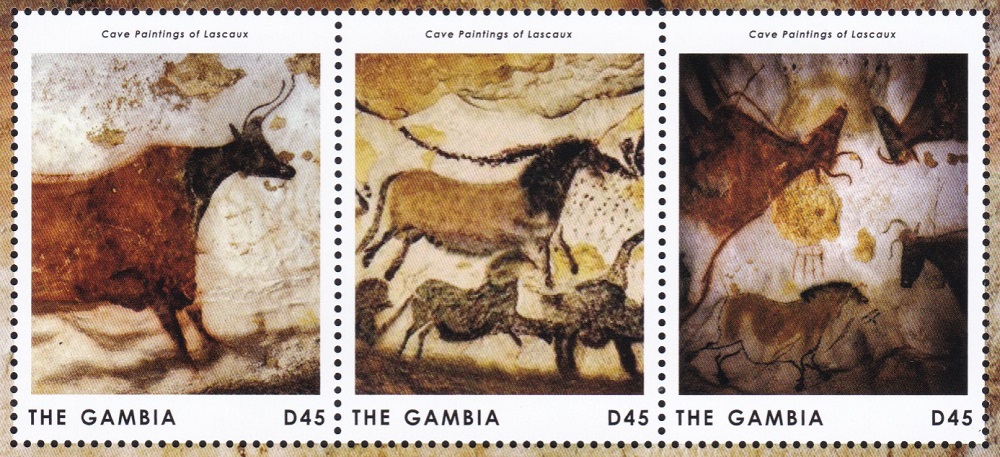
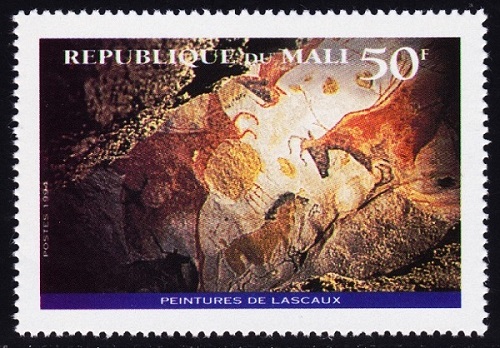
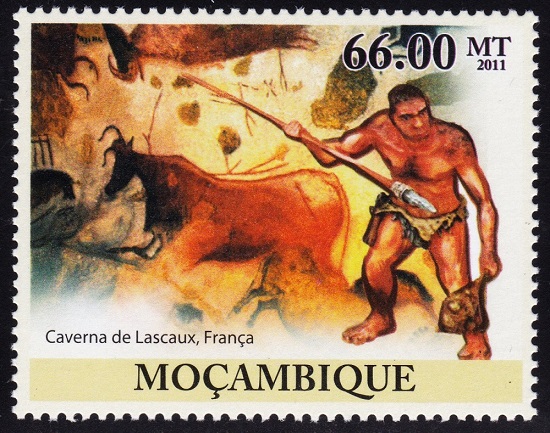
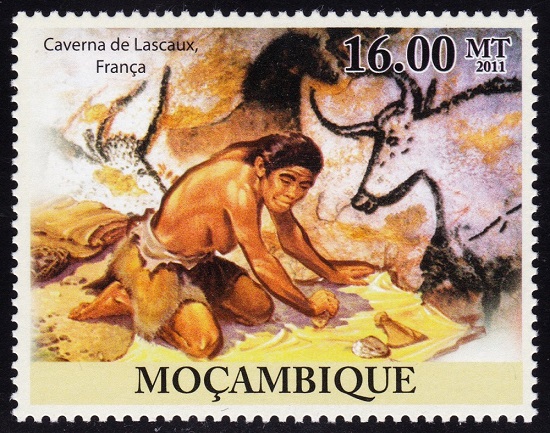
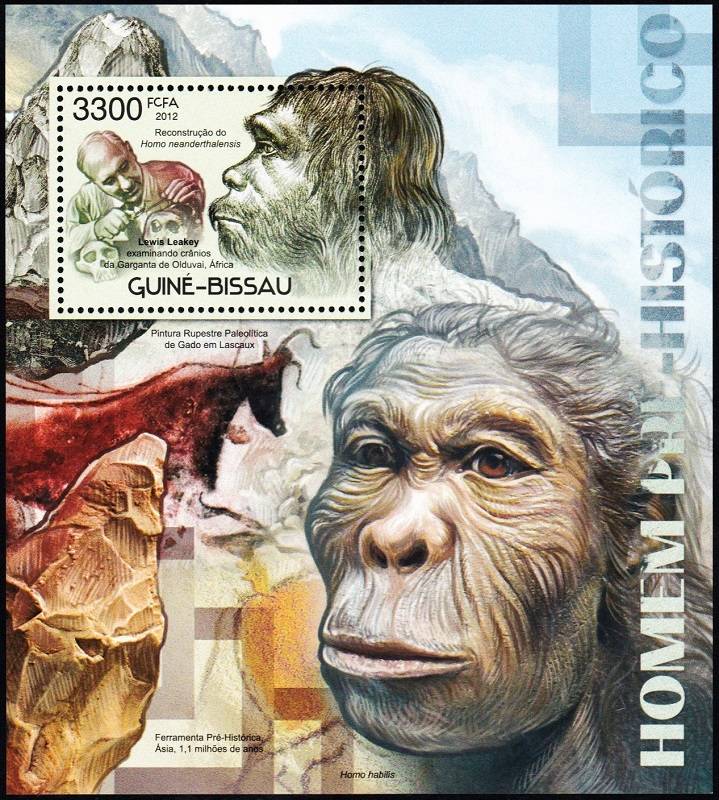
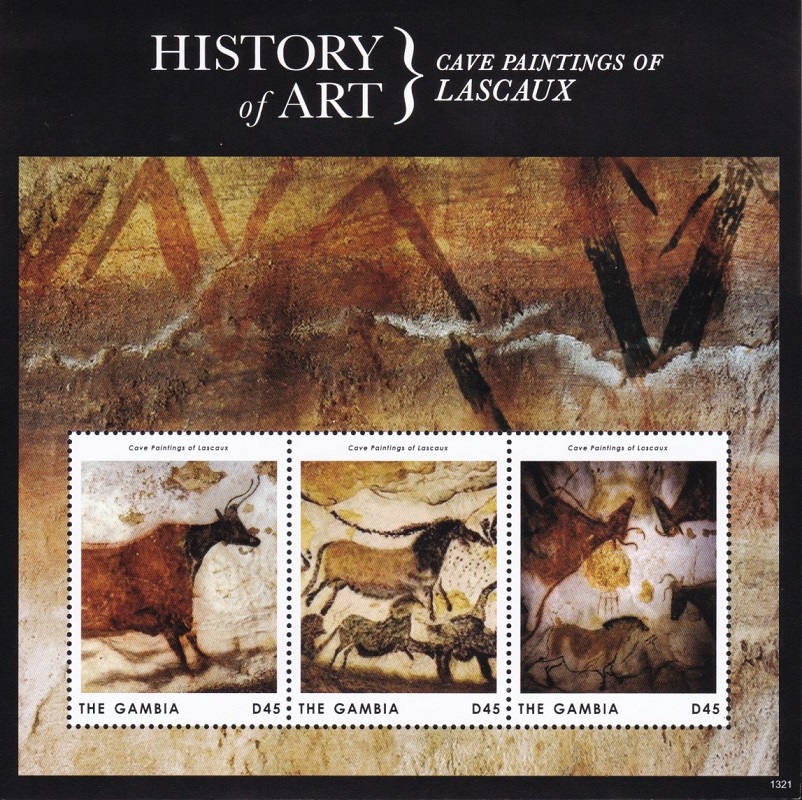
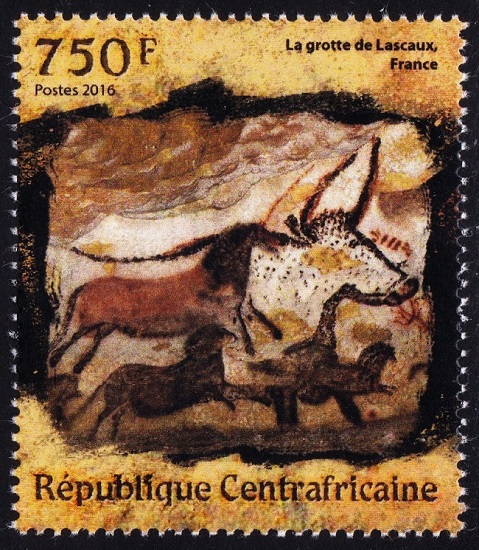
Second visit to Lascaux cave, France....a selection of non French stamps.


Lascaux painting on the SS margin.
Send note to Staff  Go to Top of Page
Pillar Of The Community
Israel
4660 Posts
Posted 10/20/2025   12:32 am  Show Profile Bookmark this reply Add LaoPhil to your friends list  Get a Link to this Reply
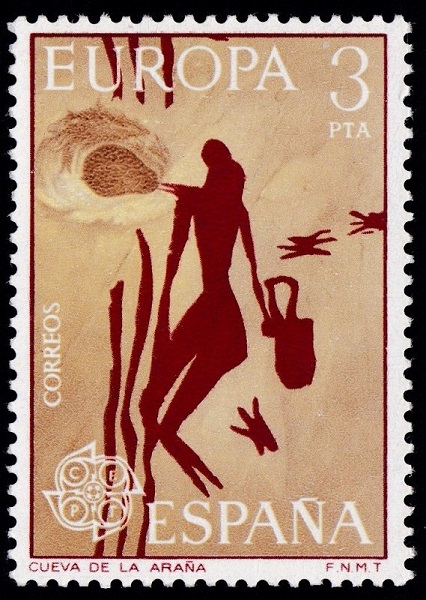
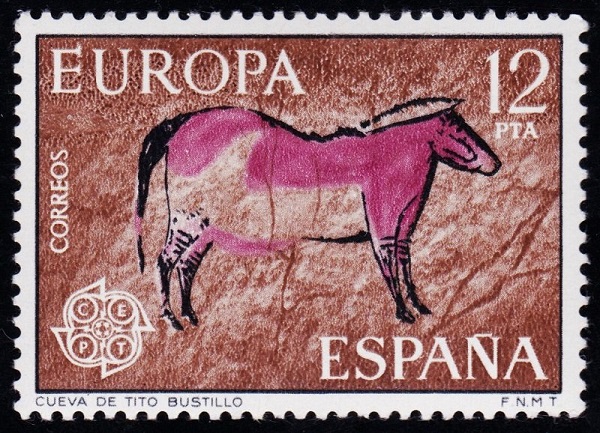
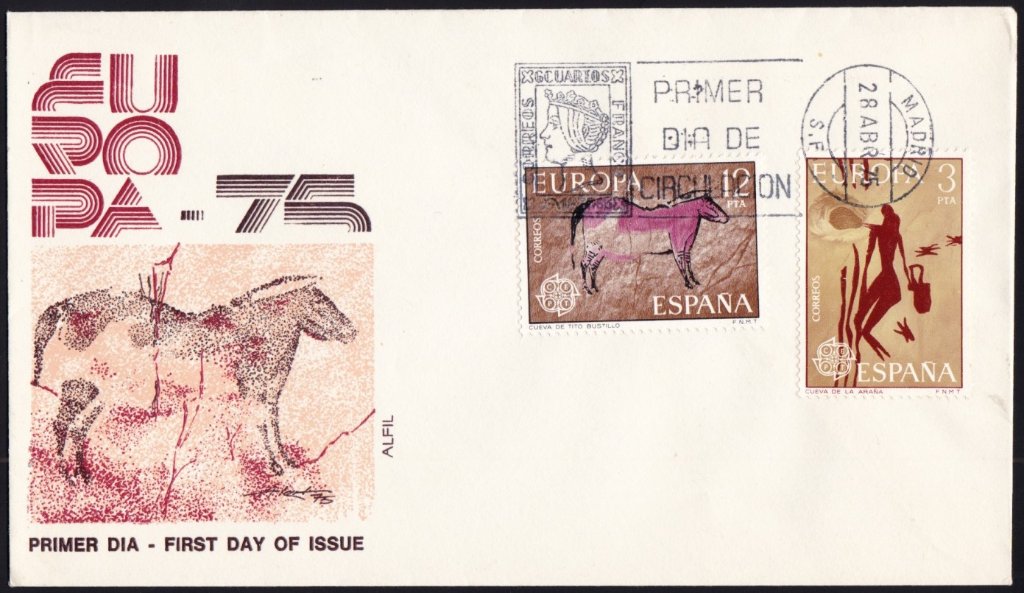
Cave Paintings, Spain, 1975.

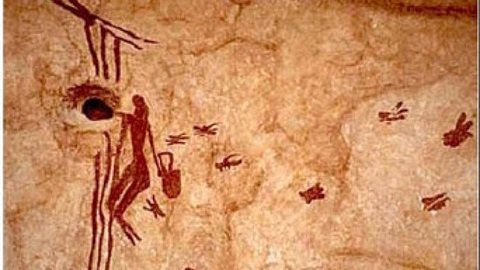
The "Man of Bicorp," painting in Arana cave (Cave of the Spider) located near Bicorp in the Valencia region. The painting dates to around 8000–6000 BC and depicts a human figure climbing a ladder to collect honey from a beehive, surrounded by flying bees. This scene is one of the oldest known representations of honey gathering.


Horse, painting from Tito Bustillo cave, Spain. The cave was inhabited by humans (Cro-magnon) before the year 10,000 BC.

Send note to Staff  Go to Top of Page
Pillar Of The Community
Israel
4660 Posts
Posted 10/20/2025   08:56 am  Show Profile Bookmark this reply Add LaoPhil to your friends list  Get a Link to this Reply
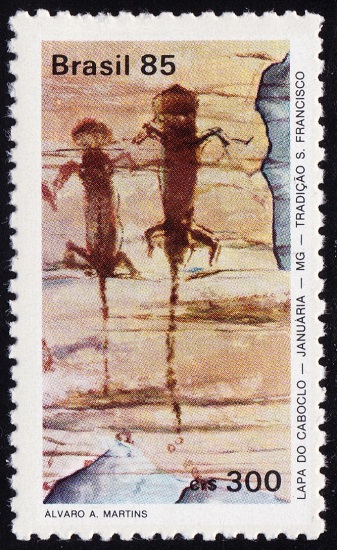
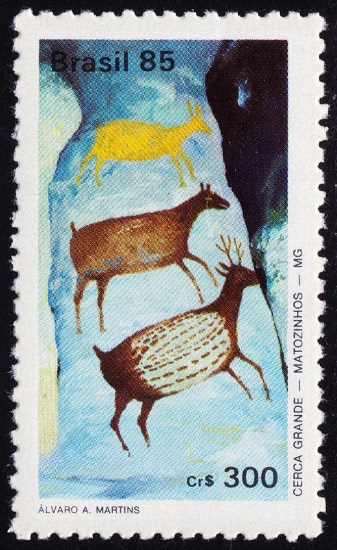
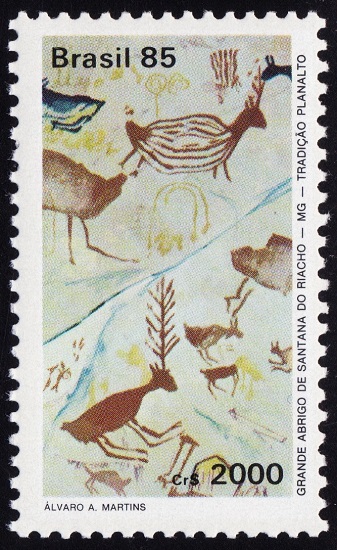
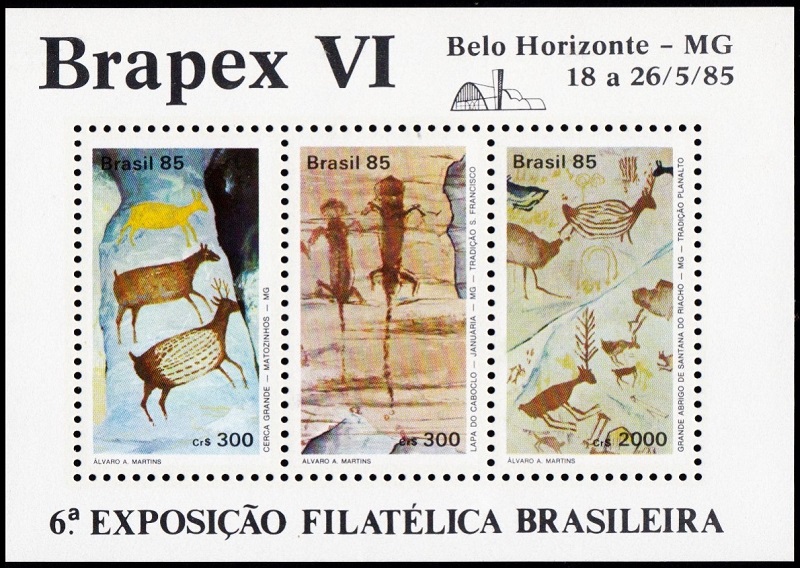
Stone paintings, Brazil, 1975.


Send note to Staff  Go to Top of Page
Pillar Of The Community
Israel
4660 Posts
Posted 10/20/2025   2:18 pm  Show Profile Bookmark this reply Add LaoPhil to your friends list  Get a Link to this Reply
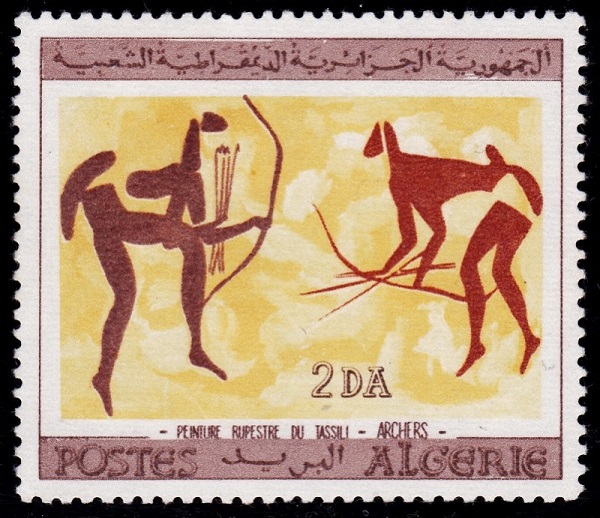
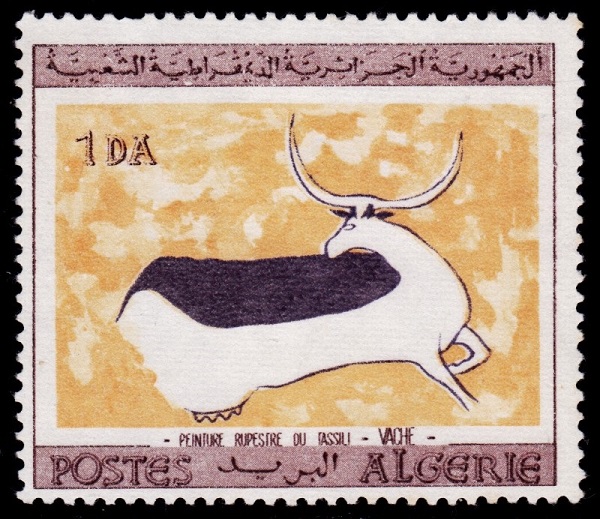
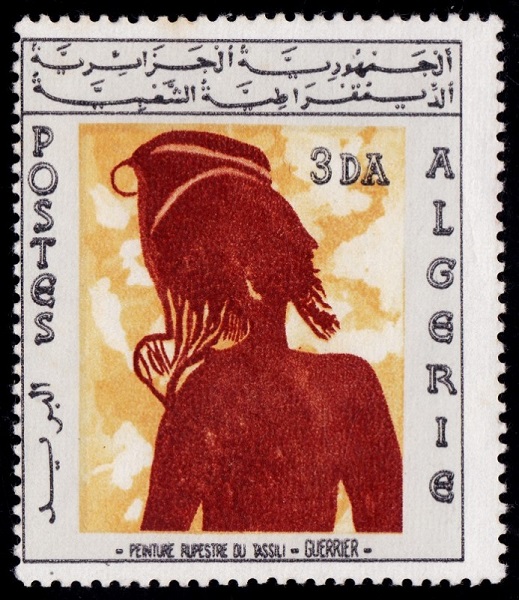
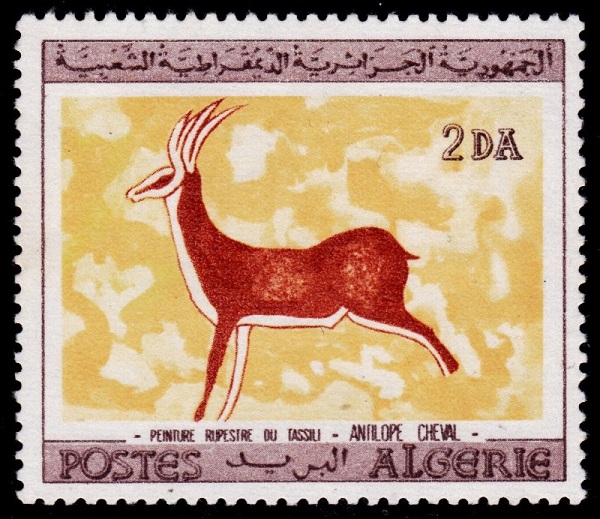
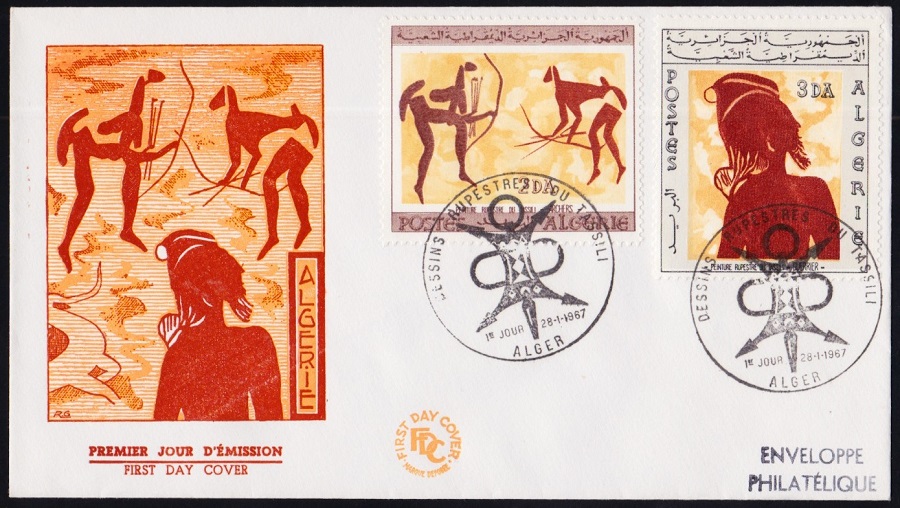
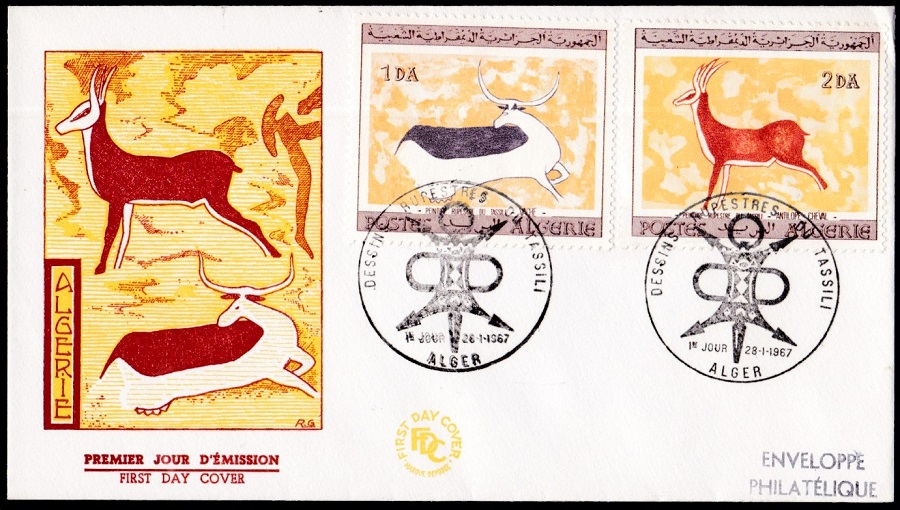
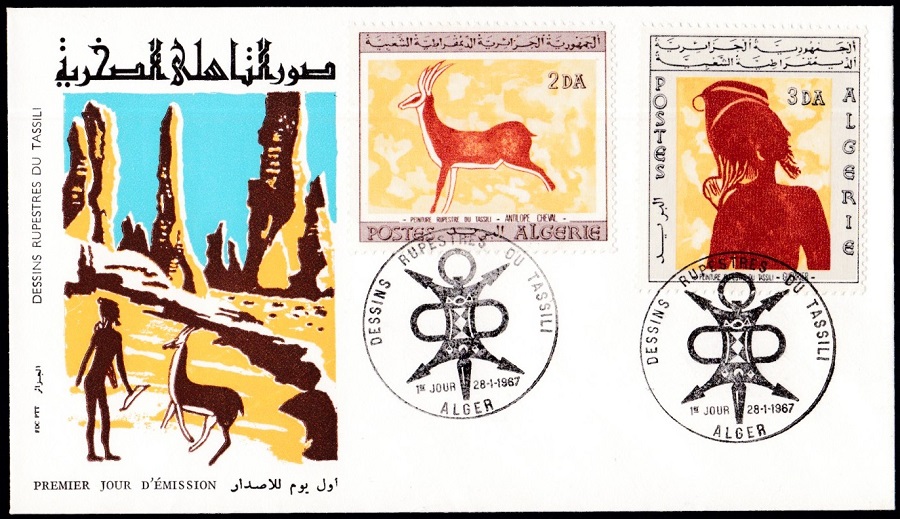
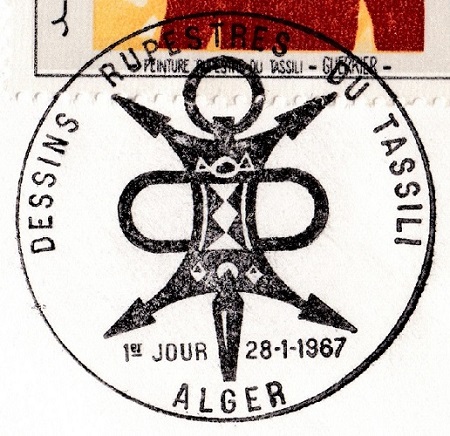
Prehistoric rock paintings of the Tassili n'Ajjer World Heritage Site, second set, Algeria, 1967.


Send note to Staff  Go to Top of Page
Page: of 7 Previous TopicReplies: 96 / Views: 6,505Next Topic  
Previous Page | Next Page
 
To participate in the forum you must log in or register.
Go to Top of Page

Disclaimer: While a tremendous amount of effort goes into ensuring the accuracy of the information contained in this site, Stamp Community assumes no liability for errors. Copyright 2005 - 2026 Stamp Community Family - All rights reserved worldwide. Use of any images or content on this website without prior written permission of Stamp Community or the original lender is strictly prohibited.
Privacy Policy / Terms of Use    Advertise Here
Stamp Community Forum © 2007 - 2026 Stamp Community Forums
It took 0.22 seconds to lick this stamp. Powered By: Snitz Forums 2000 Version 3.4.05