| Author |
 Replies: 11 / Views: 5,771 Replies: 11 / Views: 5,771 |
|
|
Pillar Of The Community
United States
545 Posts |
|
|
This parchment is too large to fit my scanner, so only part of it shows. It appears that Peter Park, who was an agent of King George the Third, sold a parcel of land in York county. There are revenue stamps foor those who like them. 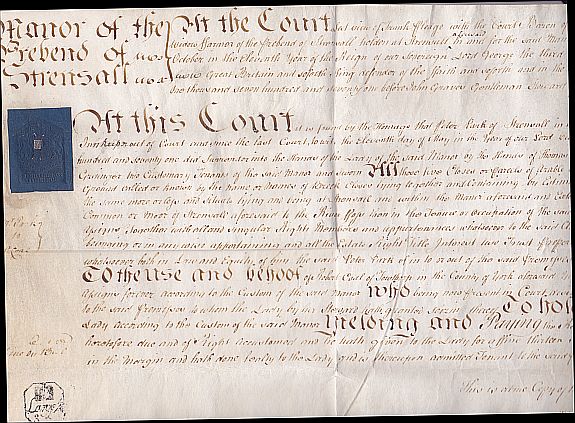 Revenue stamp on front. 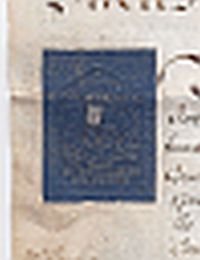 Anyone know anything about these stamps? Are they George III's? Revenue stamp on back. 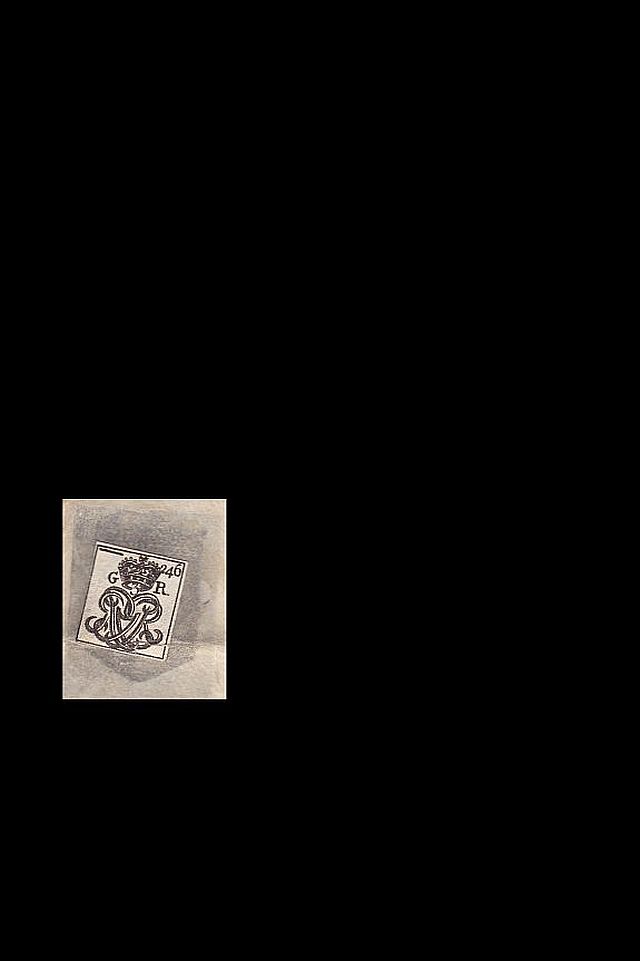 Here's a clearer shot of the front stamp. 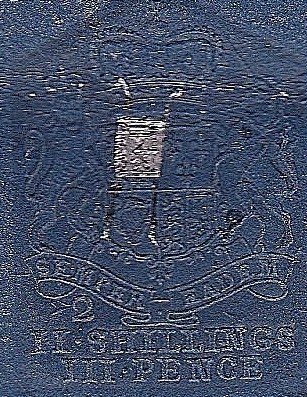 This is a hand stamped inked stamp on the bottom left corner. 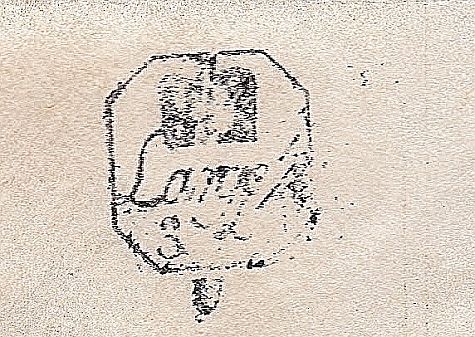 |
|
Send note to Staff
|
| Edited by Zipper - 06/22/2013 03:06 am |
|
|
|
|
Valued Member
Australia
312 Posts |
|
|
Pillar Of The Community
United States
545 Posts |
|
|
Thanks. Mmmmbalf.
I looked in my Classic Specialized Catalogue of Stamps & Covers and couldn't find the revenue stamps. The catalog doesn't go back to 1771. Anyone know anything about them? How about you, Revenue Collector? Any ideas of what these are? |
Send note to Staff 
|
|
|
Valued Member
United Kingdom
172 Posts |
|
|
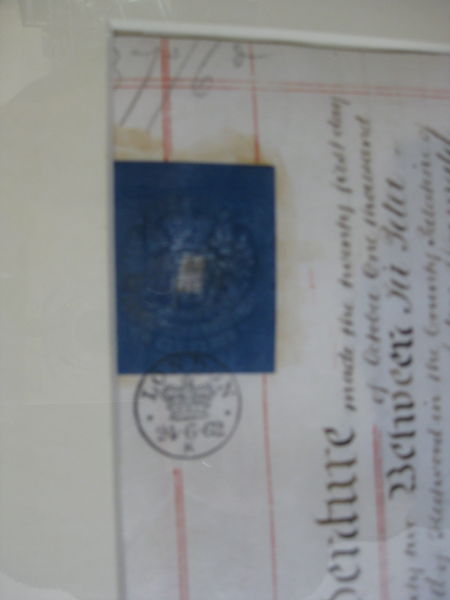 Saw this Topic this morning and then couple of hours later found this in the Fleetwood Museum, Fleetwood, Lancashire, while visiting with the family. I'm afraid I can't tell you any more about it other than the date of 24.6.62 London. It was being displayed as an example of the ongoing financial dealings of Sir Hesketh Fleetwood in 1862. Apologies for poor quality of picture, but I thought the coincidence of the find merited a mention at least. Looking forward to finding out more as others respond to your interesting document... |
|
Send note to Staff
|
|
|
Pillar Of The Community
United States
7102 Posts |
|
|
The cypher seal on the back is George III. You can see the "3" in the base of the crown.
As I understand it, the paper was attached to the document to give a better surface for the embossed seal, affixed in place with the tin staple, and the backside of the staple was covered by the cypher seal. |
|
Send note to Staff
|
|
|
Pillar Of The Community
United States
545 Posts |
|
|
Wow, revicbaxter, what are the odds? Thanks so much. I'll email the museum to see if I can find out more.
Thanks to you, too, Cjd. How interesting! |
|
Send note to Staff
|
|
|
Bedrock Of The Community
United States
10813 Posts |
|
|
The last printed seal shown is probably a paper cost mark. As a rule, these types of documents (and the revenue stamps) are generally fairly common until they start getting into the high values, and by high values I mean hundreds of pounds. There are some special use revenues that are more valuable. Obviously famous people, locations, and events might change the value considerably. I myself have perhaps 75 documents like this, the earliest being a 1706 Queen Anne era document. |
|
Send note to Staff
|
|
|
Pillar Of The Community
United States
2782 Posts |
|
|
Valued Member
United Kingdom
172 Posts |
|
|
Thank you revcollector and Battlestamps - very informative and helpful. |
|
Send note to Staff
|
|
|
Pillar Of The Community
United States
545 Posts |
|
|
Yes, thank you so much, revcollector. I was very curious about the history. I think it's cool the way they used metal and a cypher stamp. Can you decipher the Olde English on yours? I'm going to show mine to a history professor buddy to see if he can figure it out. I get bits and pieces here and there, but for the most part, it's indecipherable to me. |
|
Send note to Staff
|
|
|
New Member
United States
1 Posts |
|
|
Just obtained one of these. 1841 or maybe 41 means 1741. Any way it is a seventy five pound transfer stamp seal type.
|
|
Send note to Staff
|
|
|
Pillar Of The Community
United States
7102 Posts |
|
|
If it has a cypher seal on the back, you can date it quickly by whether it is a "GR" (1741) or a "VR" (1841) seal. (I'm assuming those are the two most likely options for the century.) |
|
Send note to Staff
|
|
| |
Replies: 11 / Views: 5,771 |
|




 Posted 06/22/2013 01:43 am


