| Author |
 Replies: 85 / Views: 4,617 Replies: 85 / Views: 4,617 |
|
|
|
Valued Member
United States
103 Posts |
|
|
Bedrock Of The Community
United States
10864 Posts |
|
|
Valued Member
United States
103 Posts |
|
|
Quote:
Yes, possibly with some kind of early affixing machine. "Well I'll be"  |
Send note to Staff 
|
|
|
Valued Member
United States
103 Posts |
|
|
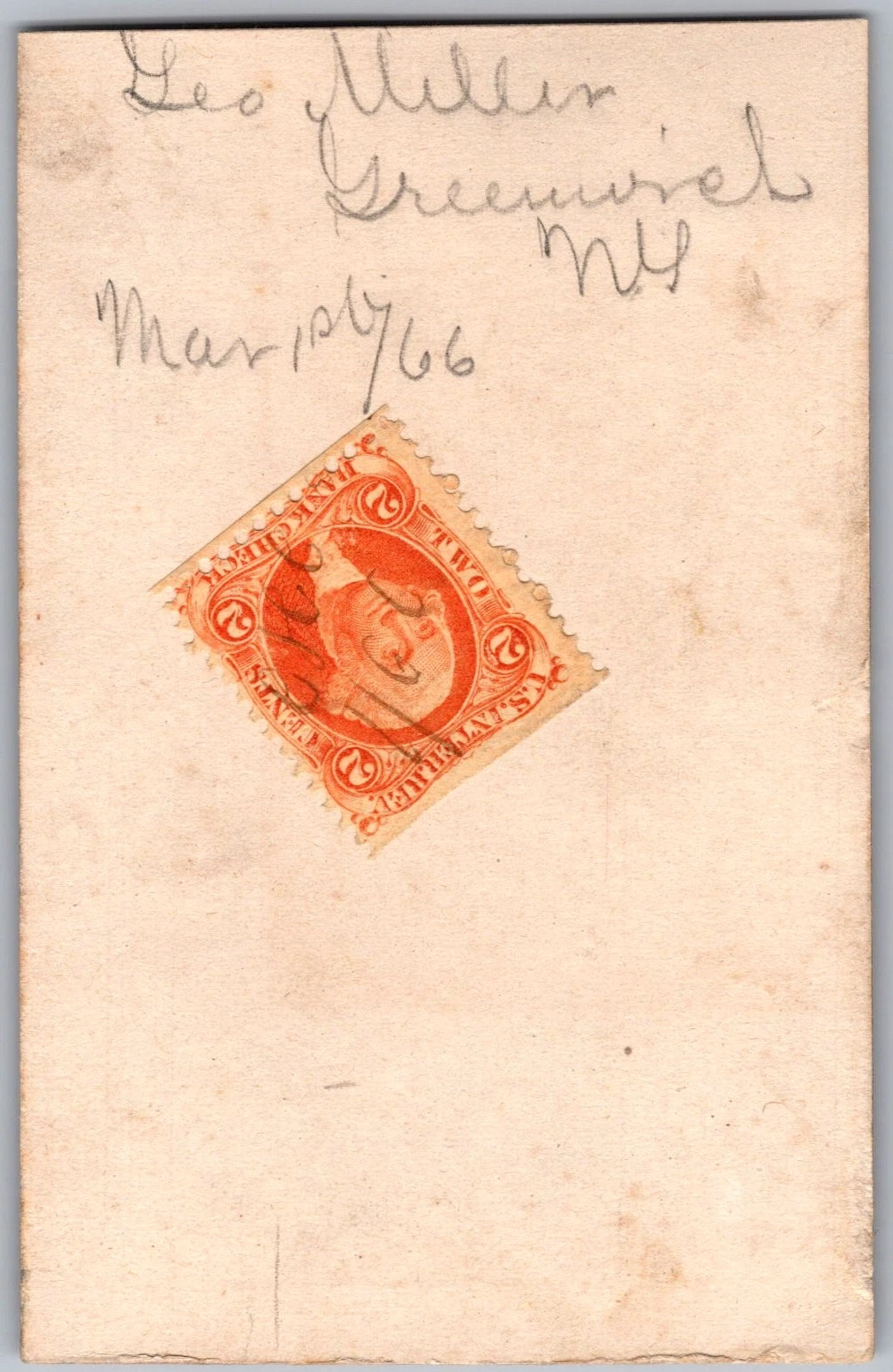
I don't know why I thought that this was something unusual, I guess newbie's like me are always looking for an explanation that is more difficult than is necessary, but maybe the stamp just came from a sheet that was cut up without regards to aligning the cutter with the existing perforation line, I assume that some kind of guillotine cutter was used to do such a thing. |
|
Send note to Staff
|
|
|
Pillar Of The Community
United States
6469 Posts |
|
|
Pillar Of The Community
United States
796 Posts |
|
|
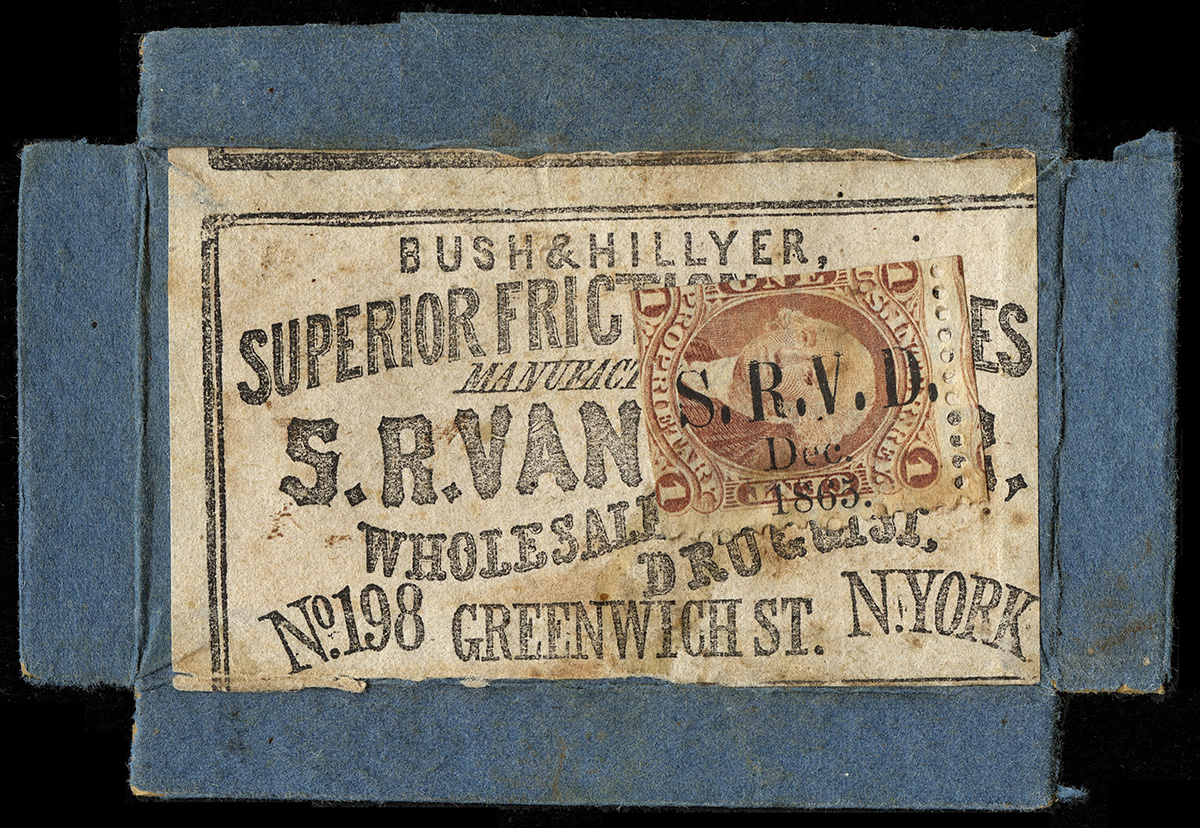
Evidence of mechanical separation is often found on the stamps of the larger manufacturers of matches. It is also found to a lesser extent on the medicine stamps of the time. |
|
Send note to Staff
|
|
|
Valued Member
United States
103 Posts |
|
|
Quote:
It is also found to a lesser extent on the medicine stamps of the time. And probably lesser so on photographs I would think. |
|
Send note to Staff
|
|
|
Bedrock Of The Community
United States
10864 Posts |
|
|
Quote:
And probably lesser so on photographs I would think. I would agree with that. Match stamps are really not uncommon among the larger companies. Some common match stamps are easily found cut, but are very difficult to find with perfs on all four sides. |
|
Send note to Staff
|
|
|
Pillar Of The Community
United States
796 Posts |
|
|
Stamps are known with ruled pen cancels attributed to photographers as cdv's were often made in multiples from one exposure. Bruce Barilla (not sure of spelling) had an exhibit called o( I think) the sun tax that should be of interest to cdv collectors. |
|
Send note to Staff
|
|
|
Pillar Of The Community
United States
6469 Posts |
|
|
Pillar Of The Community
United States
796 Posts |
|
|
Valued Member
United States
103 Posts |
|
|
Quote:
Yes, possibly with some kind of early affixing machine. Does anyone have a photo of an 1860's period affixing device, it would interest me to see what they looked like? |
|
Send note to Staff
|
|
|
Bedrock Of The Community
United States
10864 Posts |
|
|
I do not remember ever seeing one. Only the stamps which show the signs of being used. |
|
Send note to Staff
|
|
|
Pillar Of The Community
United States
796 Posts |
|
|
Vertical stripping of sheets by use of a knife, scissors,steel ruler, tracing wheel or guillotine paper cutter was probably the most likely method used. I don't think any actual dedicated device was used. Government coiling of stamps and its associated gadgets did not come along until 1901. |
|
Send note to Staff
|
|
|
Valued Member
United States
103 Posts |
|
|
Quote:
Vertical stripping of sheets by use of a knife, scissors,steel ruler, tracing wheel or guillotine paper cutter was probably the most likely method used. I don't think any actual dedicated device was used. Government coiling of stamps and its associated gadgets did not come along until 1901. Well, you ruined it for me, I was really looking forward to seeing some kind of primitive contraption from the 1860's which stripped a row of stamps from a sheet into a coil, and then could also remove a stamp one by one from the coil, wet it and affix it to whatever cover or document that they wanted to.  |
|
Send note to Staff
|
|
|
Replies: 85 / Views: 4,617 |
|




 Posted 07/24/2025 9:18 pm