Quote:
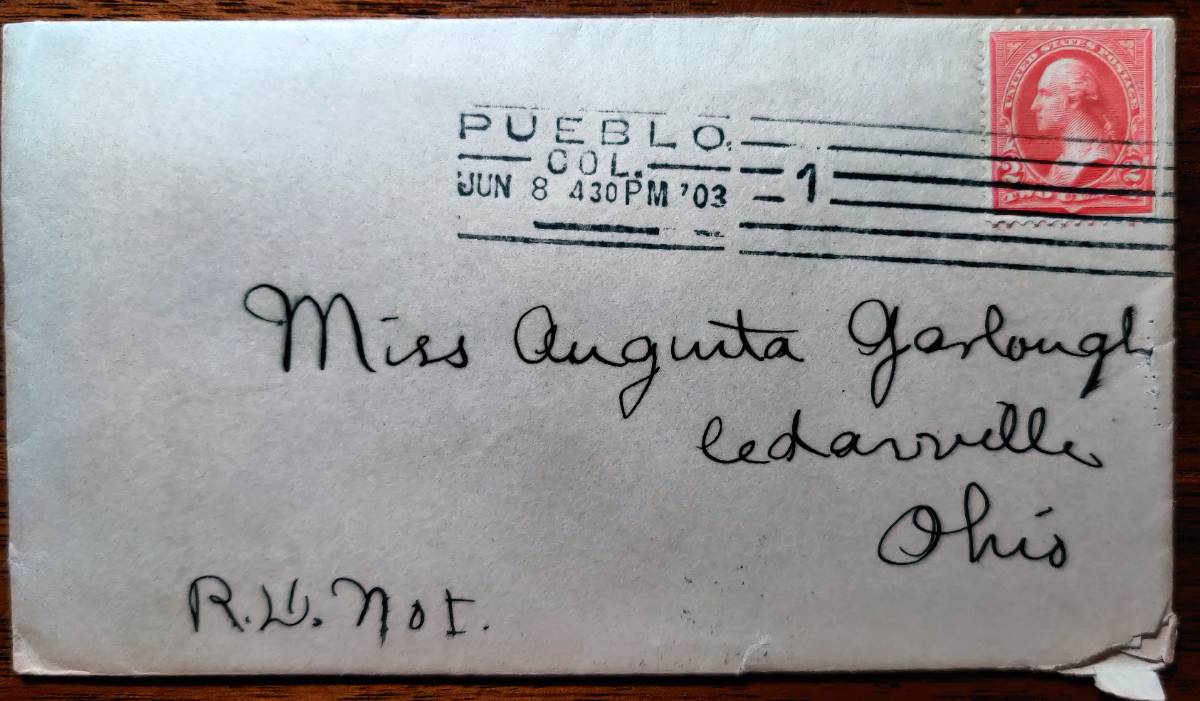
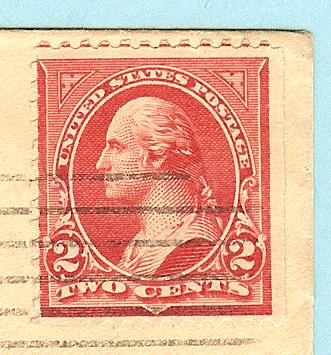
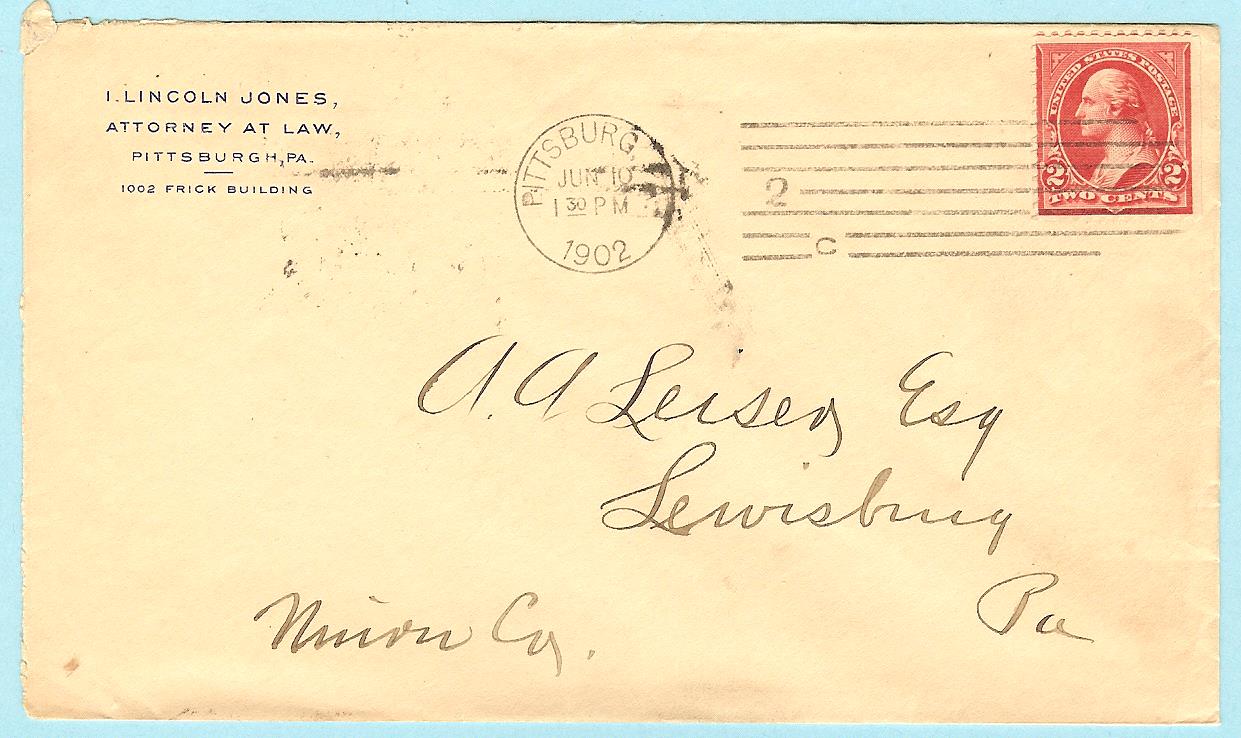
If it were so common I would be able to find at least one sale on a cover. I can find none. In fact, I can't find another used version.
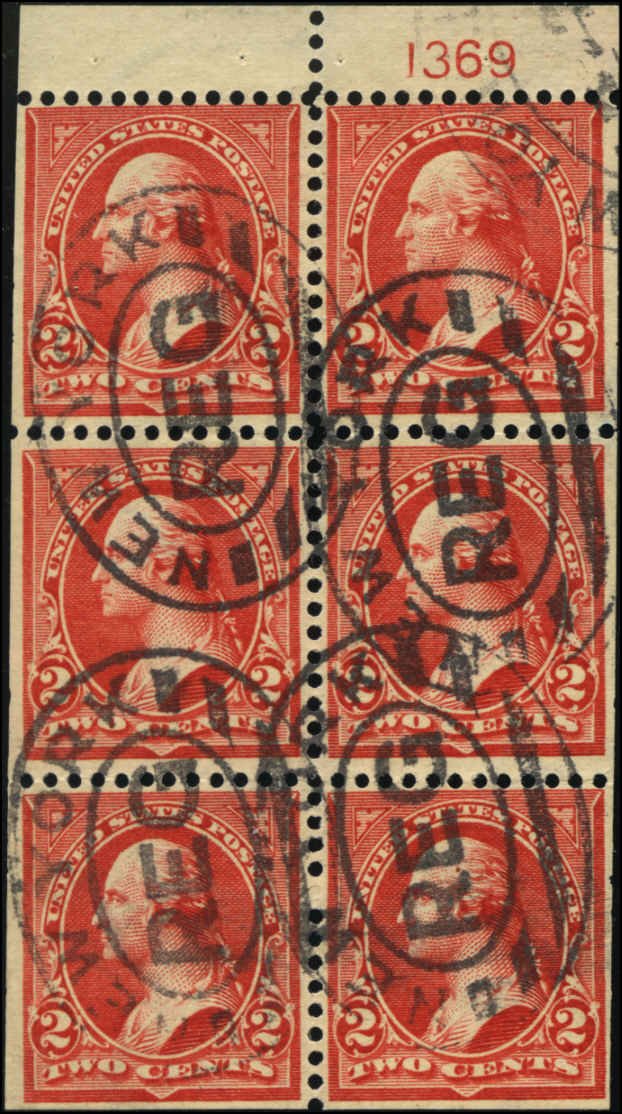
The general fact is booklets are wanted complete and unused, booklet pane complete or the tab missing from the pane of stamps are sought out mint, used and on cover. Singles are of no interest mint nor used, except to acknowledge the stamp design was issued as a booklet.
An on cover used single can carry a bit more interest from a collect who is likely an exhibitor who want to show a basic single on cover as proper postal history. That does not make it expensive, it is just expected to be seen in such an exhibit/collection. Additionally, their is usually only one serious exhibit/collection philatelist chasing those singles on a cover at a time. Thus quite low demand.
The exception is that the AEF pane singles are collected in any manner, including on cover, which demonstrates they are from the AEF panes.
In the auction link, lot 1205 is one such example of single booklet pane stamps "on cover" being collected, both a one cent and two cent. But do realize they were along for the ride as the two 423's catalog on cover in Scott at $7500 and the Q-11 is unpriced save a "--" with all used from Alaska. I own that lot now, if not, I own the second one referenced in the auction description I just don't remember which; perhaps both. Same stamps and same post office of mailing.
The most recent serious booklet pane collection amassed was by the late Mr. Phil Beutel, mostly while he lived in Colorado Springs. Besides collecting them he also ran ads for years in Linn's and other publications mail order dealing in booklet panes as well as coils with partial plate numbers. He even created measuring devices for the coils, one which I believed received a US Patent, although his run of them were done while the patent was pending and thus has that phrase on them. His sales ran a few dollars per customer per sale. He did this for enjoyment and to find low value but uncommon items for himself.
Phil as he asked me to call him since the 1970's collected seriously and included pricey items which included truly unique items, meaning there was just one example. Such an example was the mint strip of five of Scott 389, with the line of a line pair on the outer edge. He could purchase such material as he was a self-made millionaire (when a million still had value) patenting and peddling medical equipment. He was even asked to produce the Jarvik-7 (Google is your friend) but decline for the reason he did not see himself wanting to use one and felt most others would draw the same conclusion.
I wrote all of that to say he collected cheap to expensive, common to the unique and tried for completeness when he did. Whenever I was in Colorado Springs, often with out a vehicle, he'd pick me up, we would eat and retire to his home and review his collection. With a car, I drove up to his home directly and at times he came to watch me compete at the USOTC in town.
His booklet and booklet panes were sold here:
https://siegelauctions.com/2010/991/991.pdfSave for a few exceptions, Phil did not collect booklet singles, mint used or on cover. If he did collect less than a pane it was to demonstrate it came from a particularly difficult "pane position" with in the press sheet. As you can see there were more 279bj and 279bk panes and booklet than I cared to count.
So as John Becker said there is no demand (read interest) in on cover usages of your stamp. Thus the price is very, very low compared to availability. Such covers cannot make a single lot in a brick and mortar auction firms nor are worth listing in line for sale. They are found in person in dealer boxes or in large common cover collections.
One last comment on Phil and completeness. He had the largest collection of C-11 plate blocks of which I am aware, missing only a few. There are 1000s of individual two color plate numbers and two color "TOP" (or no TOP) to make a complete set.
He also want three sets of the US WF Blue Paper sheet stamps. But when that was not possible, he wanted position plate blocks of six, a plate strip of three or a plate number pair or single with the adjoining stamps, now separated. So again, if Phil did not chase booklet singles few other would bother.
Even truly rare error items don't mean they have value. Few are willing to pay much for my missing gum errors; errors where during stamp production gum failed to be applied to entire stamps due to what are known as "gum skips" large skips in my case. Not going to find those sale prices on line either.





 Posted 02/05/2022 9:45 pm